Sofa Shopping Made Simple: A Real Guide to Getting It Right
A sofa is one of the few pieces of furniture that has to do everything at once. It needs to hold up to Friday movie nights, Sunday naps, the dog jumping up uninvited, and the occasional spilled glass of wine, while also looking like you knew what you were doing when you picked it. That combination of jobs is exactly why sofa shopping trips so many people up. You walk into a showroom, sit on six different couches that all feel vaguely fine, and leave more confused than when you started.
This guide skips the generic checklist approach and instead walks through the real decisions in groups that actually matter: getting the size and proportion right, choosing a style that fits your home, picking materials that hold up to your life, working with color and pattern, and planning for the situations that make sofa shopping more complicated, like small apartments or homes with kids. Each idea below ends with a quick piece of practical advice you can use the next time you are standing in a showroom or scrolling through options online.
Getting the Size and Proportion Right
Measure the Room Before You Fall in Love With Anything
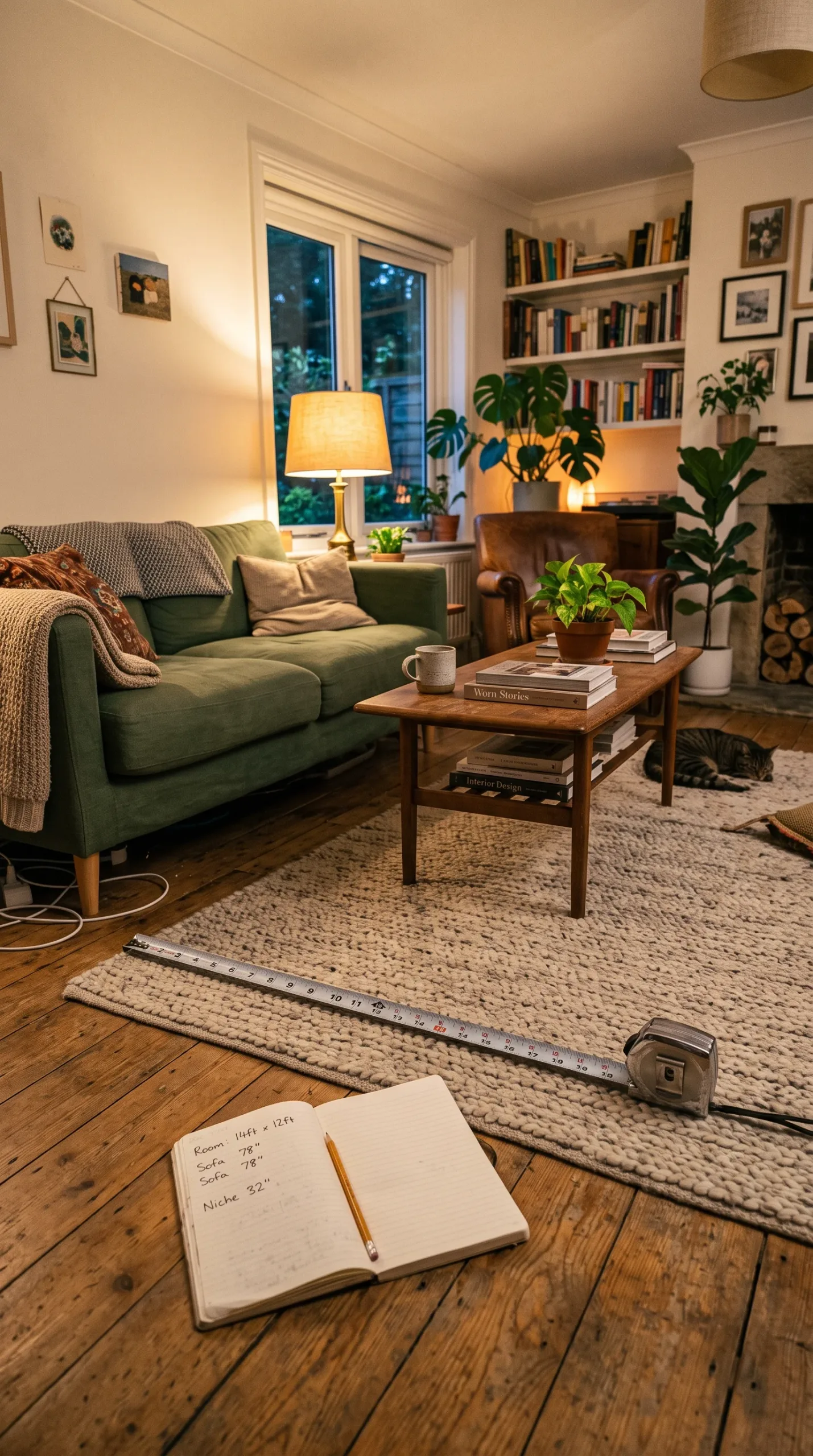
The most common mistake people make is shopping by eye instead of by tape measure. Before you look at a single fabric swatch, measure your seating wall and figure out how much sofa it can actually hold, then leave at least 18 to 24 inches of walking space around it so the room does not feel like an obstacle course. A coffee table should run roughly half the length of your sofa and sit close to the height of the seat cushions, otherwise the pairing looks off even if both pieces are nice on their own. One trick that genuinely works is laying painter’s tape on the floor in the exact footprint of the sofa you are considering. It sounds basic, but standing in that outline tells you more about scale than any photo will. A sofa that looks modest in a showroom can swallow a small living room whole once it is sitting against your actual walls.
Designer Advice: Tape out the footprint on your floor and live with it for a day before you buy. Your eyes adjust to a showroom faster than they adjust to your own living room.
Plan the Delivery Path, Not Just the Floor Plan
A sofa that fits your living room beautifully is worthless if it cannot get through your front door, down a hallway, or around a stairwell landing. This is the detail that gets overlooked because it has nothing to do with style, yet it derails more purchases than the wrong fabric ever does. Measure your doorways, any tight hallway turns, and the path from the delivery truck to the room, then compare those numbers to the sofa’s actual box dimensions, not just the finished measurements listed online. If your entry is tight or your stairwell has an awkward turn, modular and sectional pieces are worth a serious look, since they arrive in smaller sections that can be carried in separately and assembled in the room. This is one of those practical limitations that is easy to ignore until moving day, and by then it is too late to change your mind.
Designer Advice: Ask the retailer for the boxed dimensions, not just the sofa’s finished size. That extra inch or two is what gets stuck in a doorway.
Let Ceiling Height Decide the Silhouette
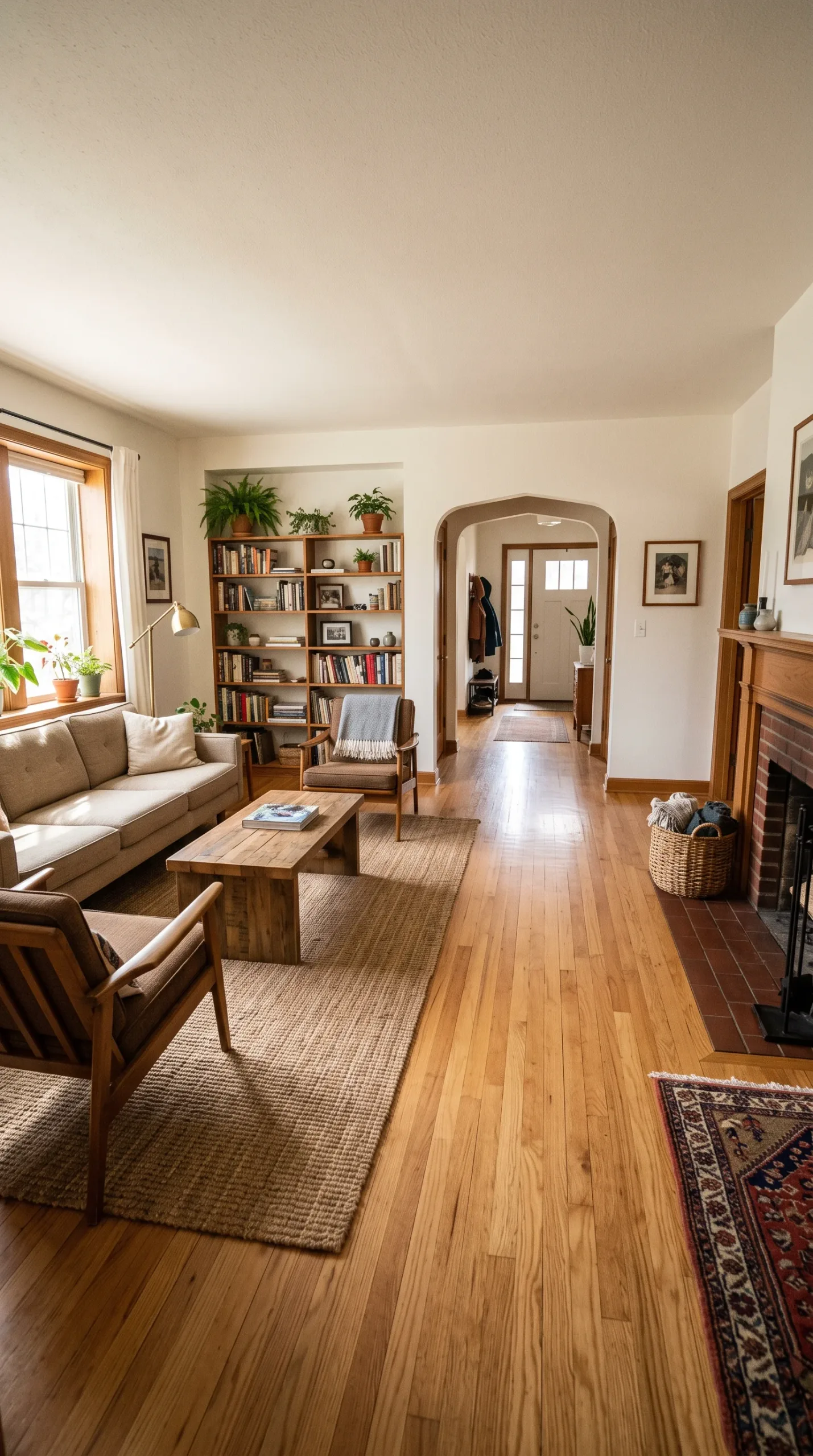
Proportion is not just about floor space, it is also about how a sofa relates to the height of the room around it. A low-profile sofa with a shallow back can look perfectly fine in a photo, but in a room with low ceilings it tends to disappear, leaving the space feeling flat instead of cozy. In rooms with higher ceilings, a low sofa can look stranded, like the furniture forgot to grow up with the walls. As a general rule, taller backs and slightly larger arms read better in rooms with eight and a half foot ceilings or higher, while rooms with standard eight foot ceilings usually look more balanced with a lower, leaner frame. This is really about visual weight, making sure the heaviest piece of furniture in the room feels proportional to the volume of space it sits in, rather than fighting it.
Designer Advice: If your ceilings are under eight feet, skip the oversized tufted back. A cleaner, lower profile will make the room feel taller, not smaller.
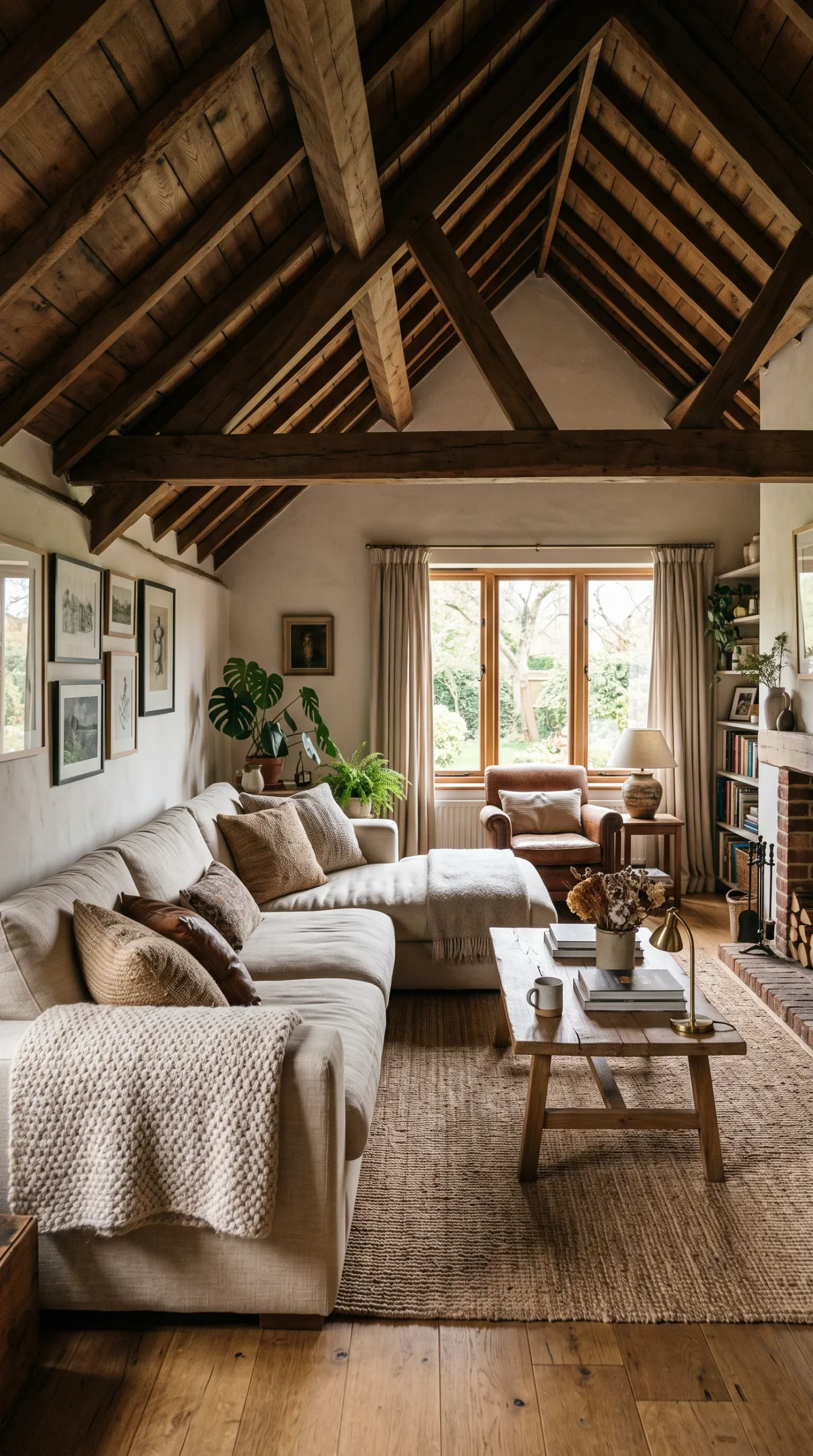
Choosing a Style That Actually Matches Your Home
Mid-Century Modern for Clean Lines and Tapered Legs
Mid-century modern sofas have stayed popular for a reason, and it is not just nostalgia. The tapered wooden legs lift the piece off the floor, which makes a room feel more open since you can see negative space underneath the frame instead of a solid upholstered base. Look for low, straight arms, a slim track back, and legs in walnut or a warm oak tone, paired with a tailored fabric in mustard, olive, burnt orange, or a simple charcoal if you want something more neutral. This style works especially well in smaller apartments because the visible legs and lower back keep the piece from reading as bulky, even when the actual seat depth is generous. The one honest caveat is that mid-century frames are not always the coziest option for someone who wants to sink in and disappear, since the silhouette favors a more upright, tailored sit over deep lounging.
Designer Advice: Pair a mid-century sofa with a low-pile rug so the visible legs stay the focal point instead of getting lost in shag texture.

Japandi and Wabi-Sabi for Quiet, Textural Calm
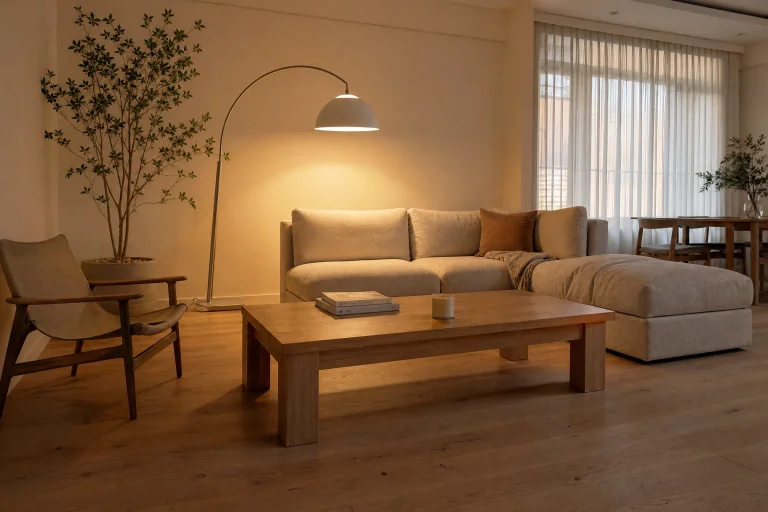
Japandi blends Japanese minimalism with Scandinavian warmth, and it has become one of the most requested looks among people who want a calm home without it feeling cold or empty. For a sofa in this style, think low to the ground, boxy but soft cushions, and a neutral palette built from oatmeal, sand, soft sage, or warm gray. Natural materials matter here, so look for boucle, linen blends, or textured weaves rather than anything glossy or synthetic-looking, and pair the sofa with a low wooden coffee table to keep the visual weight close to the floor. This is a look that leans on restraint rather than statement pieces, which makes it forgiving for people who are not confident decorators, but it does ask for some discipline. One busy patterned pillow can throw off the whole calm effect, so keep accessories simple and let the texture of the fabric itself do the work.
Designer Advice: Choose one textured neutral fabric and resist the urge to add more than two accent colors in the room. The calm comes from restraint, not from more pillows.

Modular Sectionals for Flexible Living
Modular sofas are built from individual sections that can be rearranged into an L-shape, a U-shape, or pulled apart entirely, which makes them genuinely useful for people who move often or who like to reconfigure a room for different occasions. Beyond the obvious flexibility, modular pieces are easier to get into homes with tight stairwells or narrow doorways, since each section is delivered and carried in separately. Choose a fabric with at least moderate durability if the sections will be rearranged often, since friction from sliding pieces in and out of place can wear lower-grade upholstery faster than a stationary sofa. Modular sectionals tend to sit at a mid-range to higher price point compared to a basic three-seat sofa, simply because you are paying for more individual frames and connecting hardware, so it is worth weighing whether the flexibility is something you will actually use or just something that sounds appealing in the showroom.
Designer Advice: Before buying modular, sketch out two or three layouts you would realistically use. If you can only picture one configuration, a standard sectional may serve you just as well for less money.

Materials, Comfort, and What Actually Holds Up
Performance Fabric for Households With Kids or Pets
Performance fabrics, including brands like Crypton and Sunbrella, are woven or treated to resist stains, moisture, and general wear far better than standard cotton or linen blends. In practice, this is the difference between a coffee spill that wipes off in seconds and one that sets into the fibers and needs professional cleaning. These fabrics have come a long way in terms of look and feel, so you no longer have to choose between something stain-resistant and something that actually looks soft and inviting in a living room. They tend to cost slightly more upfront than basic fabric options, but for a household with young kids, pets, or anyone who eats on the couch regularly, the extra cost usually pays for itself by avoiding replacement or deep cleaning costs down the line. The one tradeoff worth knowing is that some performance fabrics have a slightly firmer hand feel than a soft, worn-in linen, so it is worth sitting on a sample before committing.
Designer Advice: Ask for a fabric swatch and test it with a drop of water and a dab of coffee at home before you buy. Showroom lighting hides a lot.
Cushion Fill: Foam, Down, and the Hybrid Middle Ground
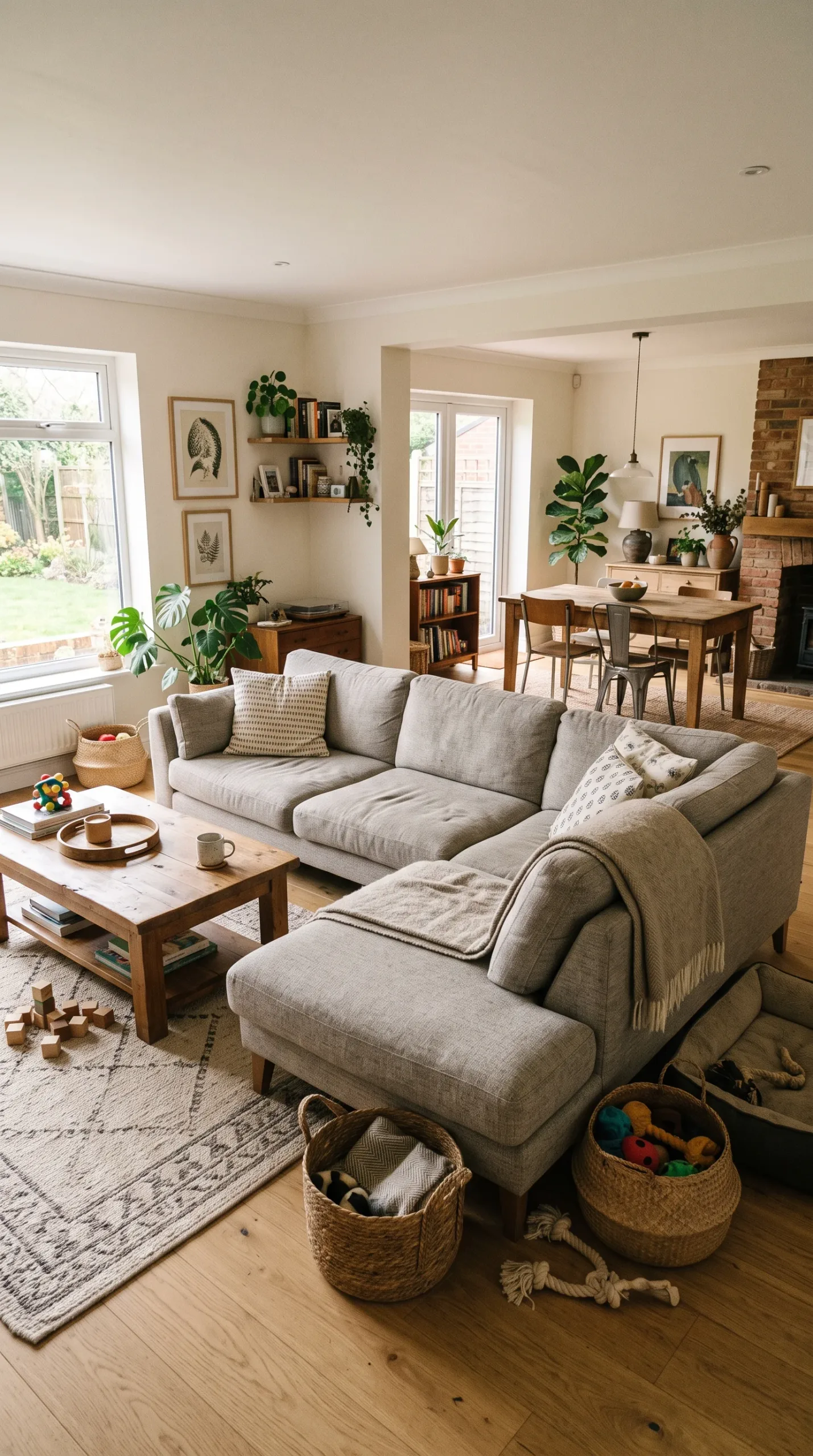
Cushion fill affects comfort more than almost any other spec sheet detail, and it is also the easiest thing to overlook when you are focused on fabric and color. High-density foam holds its shape well and supports daily use without sagging, but it can feel firmer than people expect, especially compared to a softer down-filled cushion. Down-wrapped foam gives you that sink-in, plush feeling people associate with a really comfortable sofa, but it does require regular fluffing to keep its shape and is not the best choice for anyone who wants a low-maintenance piece. A hybrid cushion, foam wrapped in a layer of down or fiber, tends to be the most practical middle ground, offering support underneath with a softer top layer. The only way to really know which one is right for you is to sit on each option for a few minutes, since the difference between firm and plush is something you feel in your back and hips within about thirty seconds, not something you can judge from a spec sheet.
Designer Advice: Sit on a sofa for at least five minutes before deciding, not thirty seconds. Cushions that feel great at first can feel different once your body settles in.
Frame and Suspension: What’s Actually Holding You Up
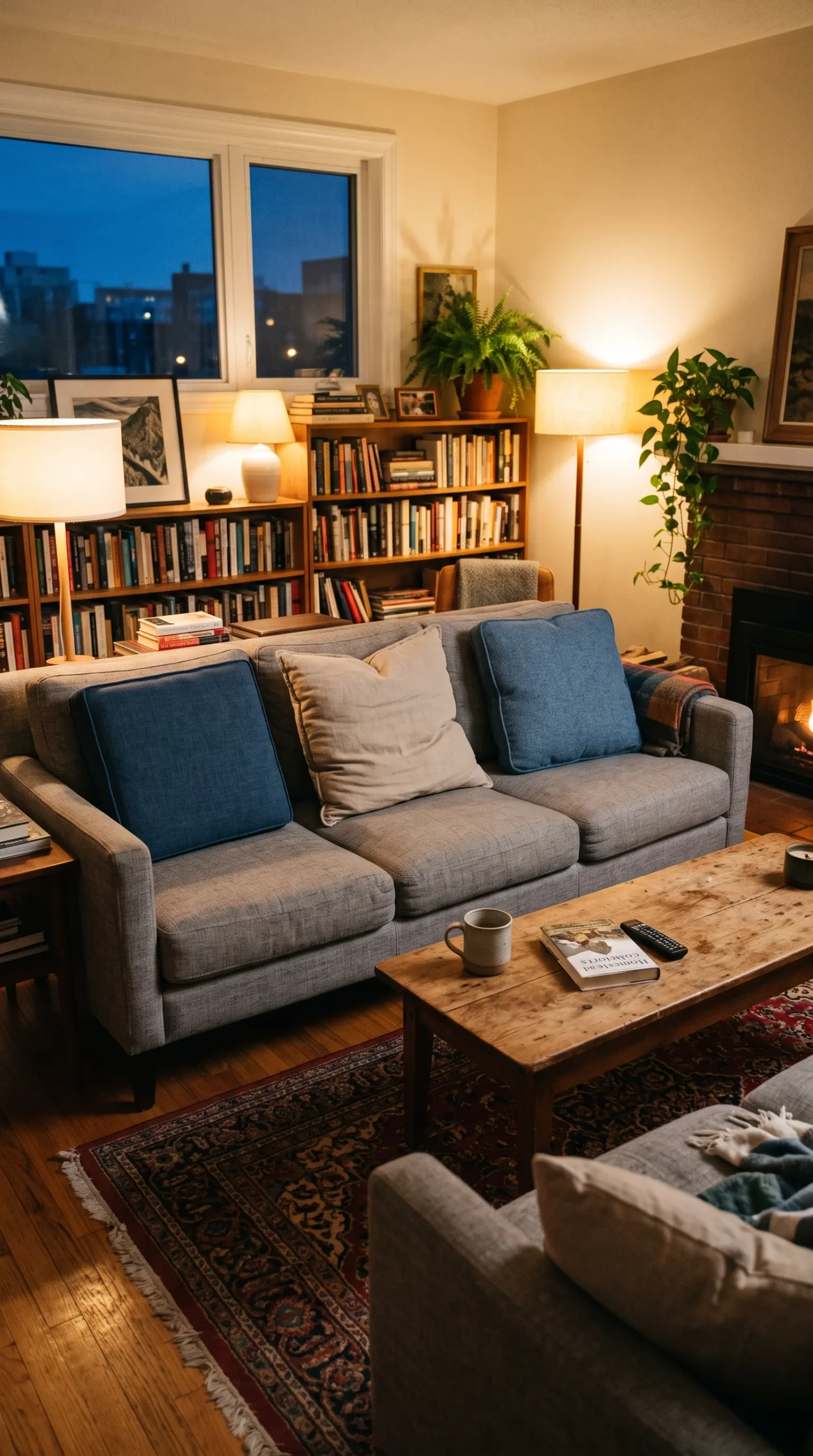
Two sofas can look nearly identical and sit at similar price points while having completely different lifespans, and the difference usually comes down to what is inside the frame. Kiln-dried hardwood, like oak, maple, or birch, is the standard for a frame that will not warp or crack over years of regular use, while particleboard or softwood frames are cheaper to produce but tend to weaken faster, especially in humid climates. Joinery matters just as much as the wood itself, so look for corner blocks, dowels, and screws rather than a frame held together mostly with staples and glue. For suspension, eight-way hand-tied springs are considered the gold standard for support and longevity, though sinuous spring suspension is more common and perfectly adequate for most households on a moderate budget. Most retailers will not volunteer this information unless you ask, so it is worth simply asking what the frame is made of and how the springs are built before you commit to anything in the mid-range to higher price bracket.
Designer Advice: Don’t be afraid to ask a salesperson directly what the frame and suspension are made of. A confident, specific answer is usually a good sign.
Working With Color and Pattern
Neutral Base With Personality Layered In
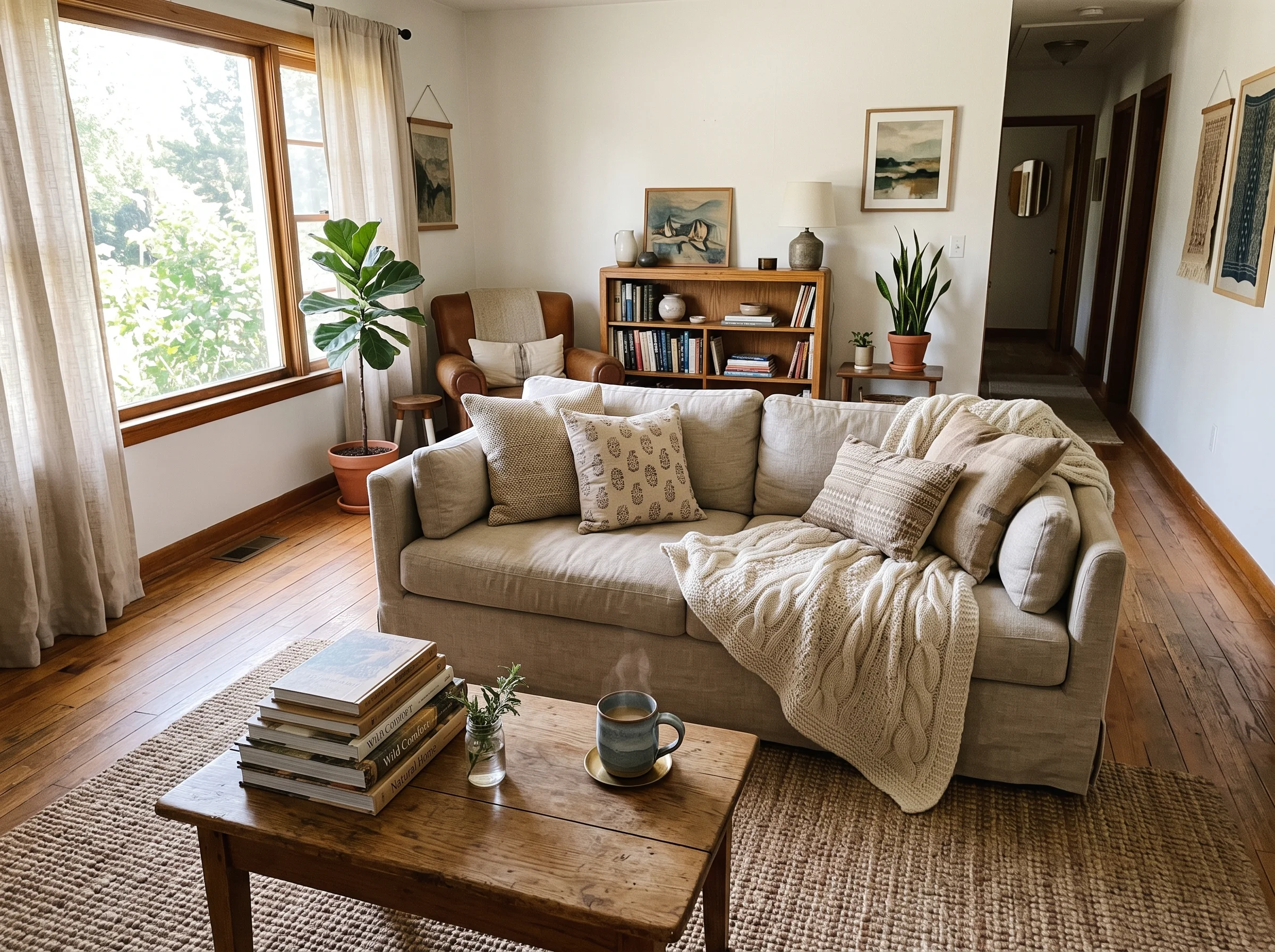
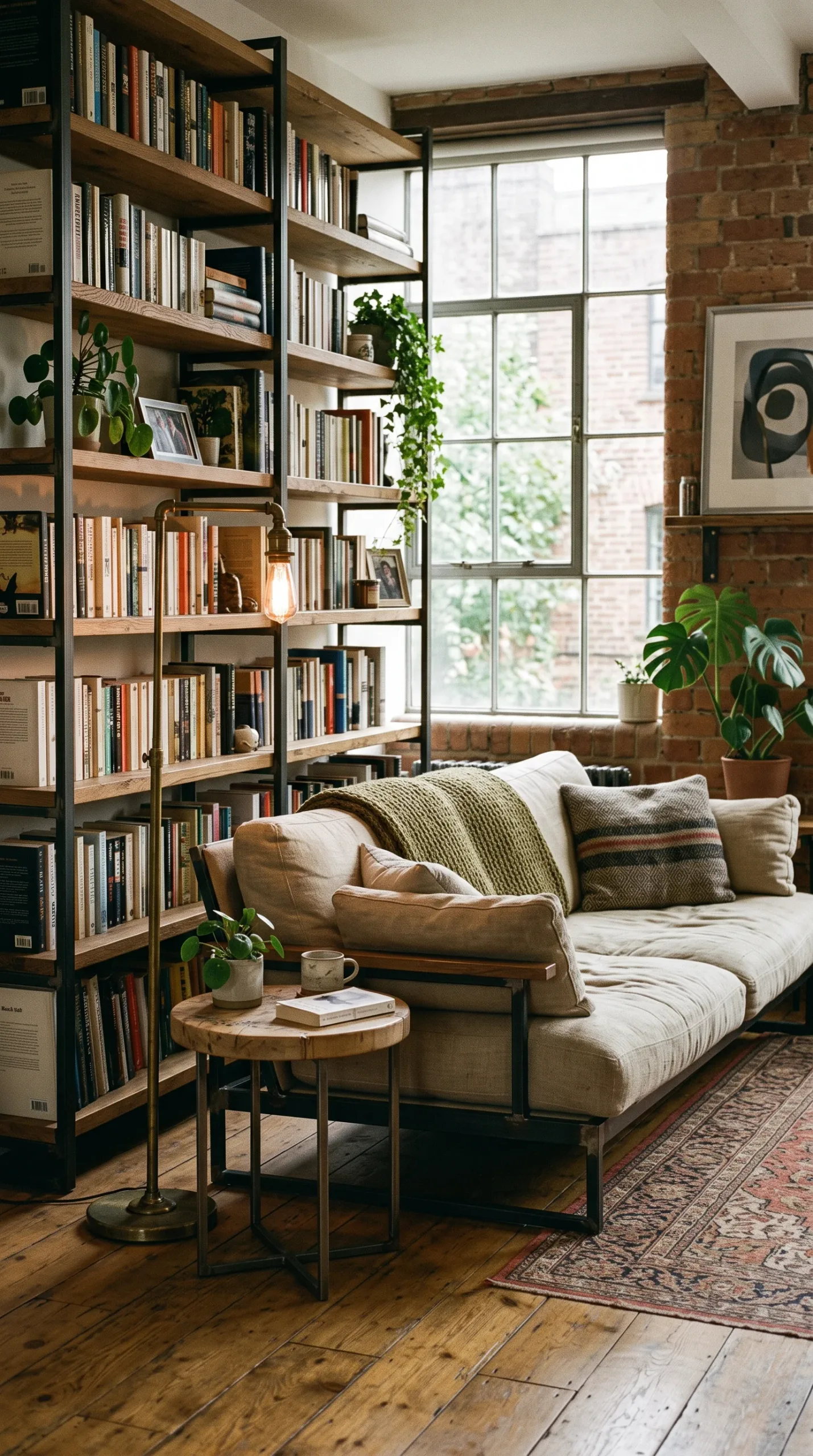
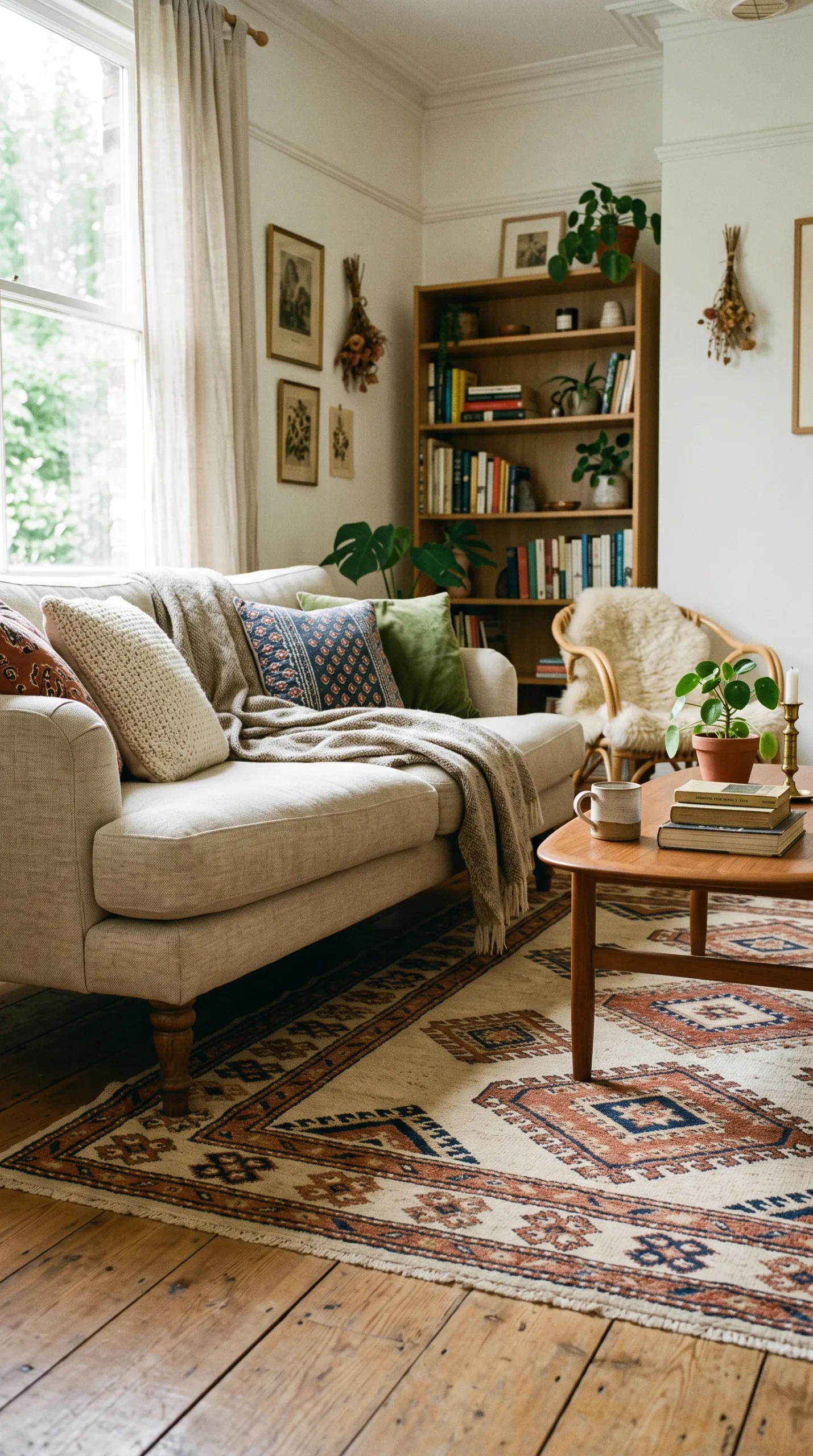
A neutral sofa in beige, greige, oatmeal, or soft gray remains one of the most practical choices for the simple reason that it gives you room to change your mind later. Pillows, throws, and even a slipcover can shift the whole feeling of a room without requiring you to replace the most expensive piece of furniture you own. The honest tradeoff is that a fully neutral sofa on its own can feel a little flat or unfinished, so it really does depend on layering in color elsewhere through textiles, art, or a patterned rug to keep the room from feeling like a hotel lobby. This approach tends to work best for people who like to redecorate often or who are not fully confident in a bold color choice yet, since it lowers the stakes of every other decision in the room.
Designer Advice: If you go neutral, commit to at least one strong color moment elsewhere in the room, whether that’s art, a rug, or drapery. Neutral everywhere reads as unfinished, not calm.
A Bold Color as the Room’s Anchor
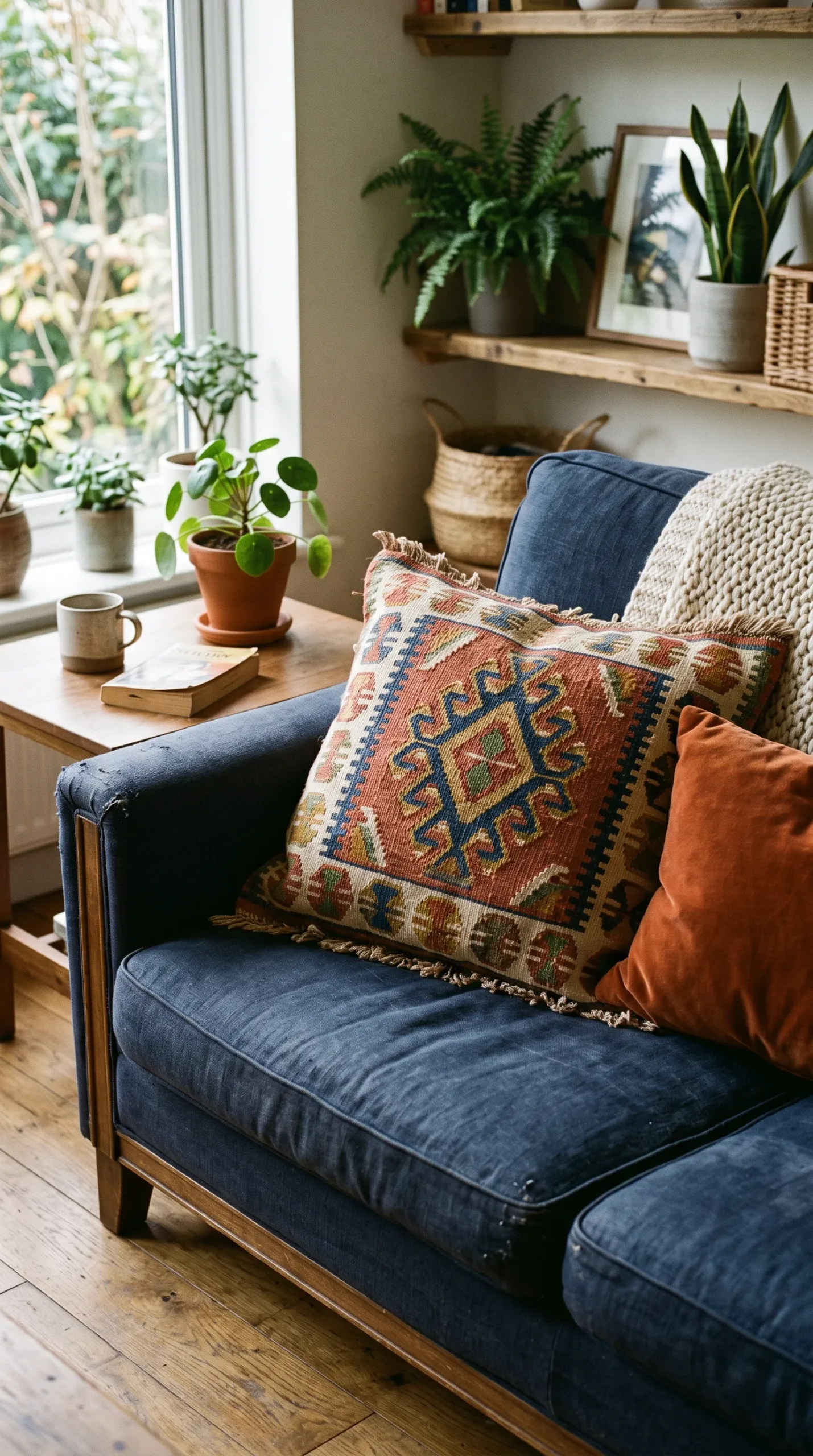
Choosing a sofa in deep blue, emerald green, terracotta, or even a rich mustard turns the piece into the anchor of the room instead of a background player, and it can genuinely change how a generic-feeling space reads, making it feel more intentional. This works particularly well in rooms where the walls and floors are already fairly neutral, since the contrast lets the sofa do the visual work without competing against busy surroundings. The honest limitation here is commitment. A bold sofa is a far bigger investment to replace than a few throw pillows, so it is worth living with a fabric sample taped to the wall for a few days in different lighting before you commit, since colors can shift dramatically between morning light, evening lamp light, and overcast daylight. Bold color sofas have been showing up consistently in design publications over the last few seasons, which says less about a passing trend and more about a real shift toward rooms that feel personal rather than purely resale-friendly.
Designer Advice: Tape a real fabric swatch to your wall and check it in morning, afternoon, and evening light before ordering. Screens and showroom lighting both lie a little.

Pattern and Texture Without Visual Chaos
A patterned sofa can hide minor stains and add personality in a way a solid color cannot, but it is also the easiest choice to get wrong if the rest of the room is already busy. The safest approach is to let the sofa’s pattern be the boldest element in the room and keep rugs, curtains, and pillows in solid colors or very subtle textures so nothing fights for attention. Stripes, a subtle herringbone weave, or a small-scale geometric tend to age better than a large, dramatic print, simply because they read as texture from a distance rather than a statement that can start to feel dated after a few years. If you are drawn to a bold pattern but are not ready to commit a whole sofa to it, consider it instead on an accent chair or a pair of pillows first, which lets you test how much pattern you actually want to live with day to day.
Designer Advice: When in doubt, put the bold pattern on a smaller piece first. It’s a far cheaper way to find out if you’ll still love it in two years.
Special Situations Worth Planning For
Small Apartments and Awkward Layouts
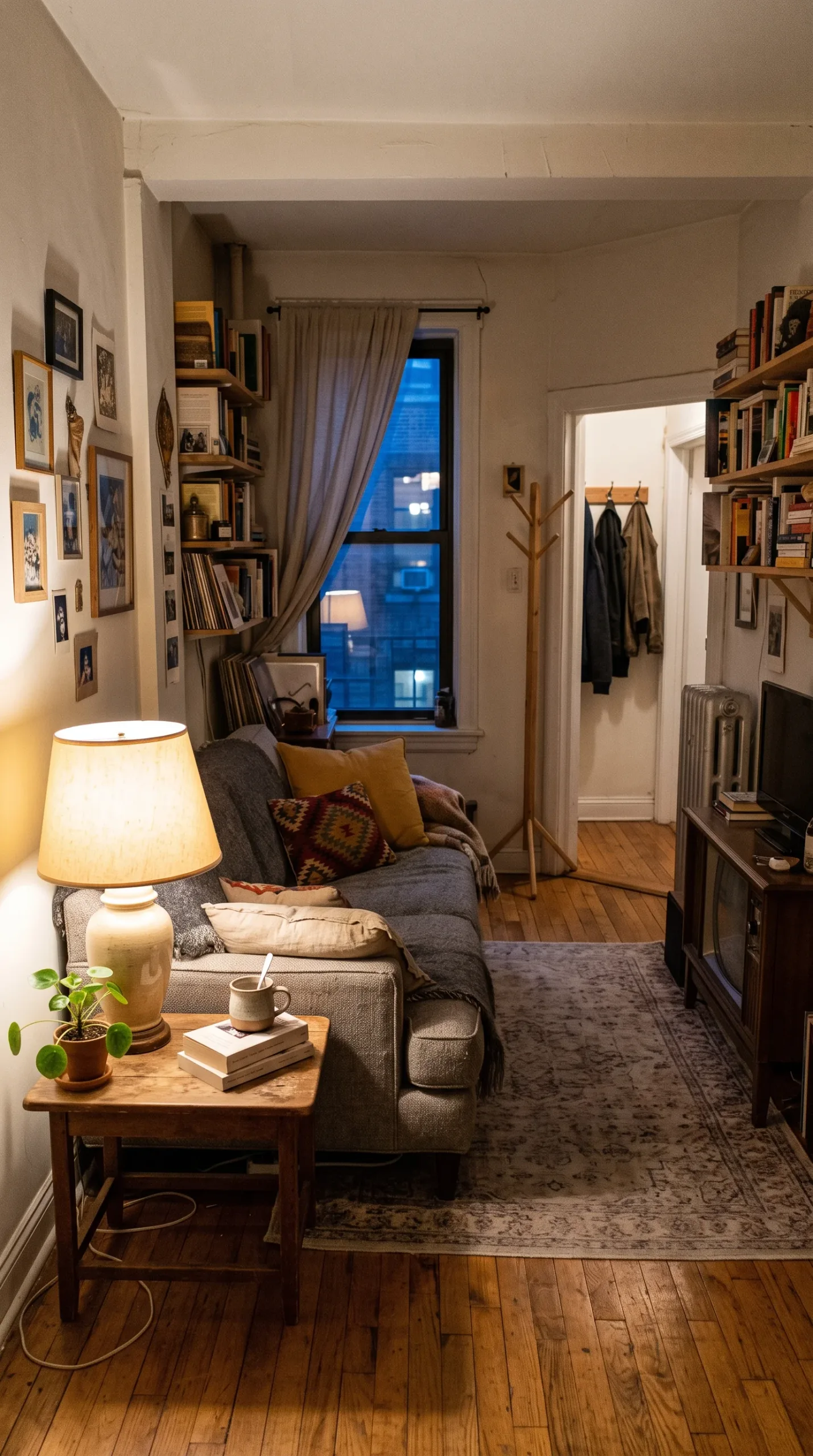
Small spaces benefit from sofas with visible legs and lower arms, since both details let light pass underneath and around the piece instead of blocking it, which makes the whole room read as larger than it actually is. Apartment-size sofas, typically a few inches narrower and shallower than standard models, exist specifically for this situation and are worth seeking out by name rather than assuming any sofa will work if you just measure carefully. Rounded or edgeless designs also help in tight layouts, since soft corners make a small room feel less boxed in and are genuinely safer if you are navigating around furniture in a compact space. One honest tip from experience: in a small living room, a sofa that is technically a perfect fit for the wall length can still feel oversized once you add a coffee table and a media console, so it is worth leaving more breathing room than your tape measure strictly requires.
Designer Advice: In a small space, undersize slightly rather than maxing out the wall. A little extra breathing room reads as intentional, not empty.
Sleeper Sofas for Guest-Ready Homes
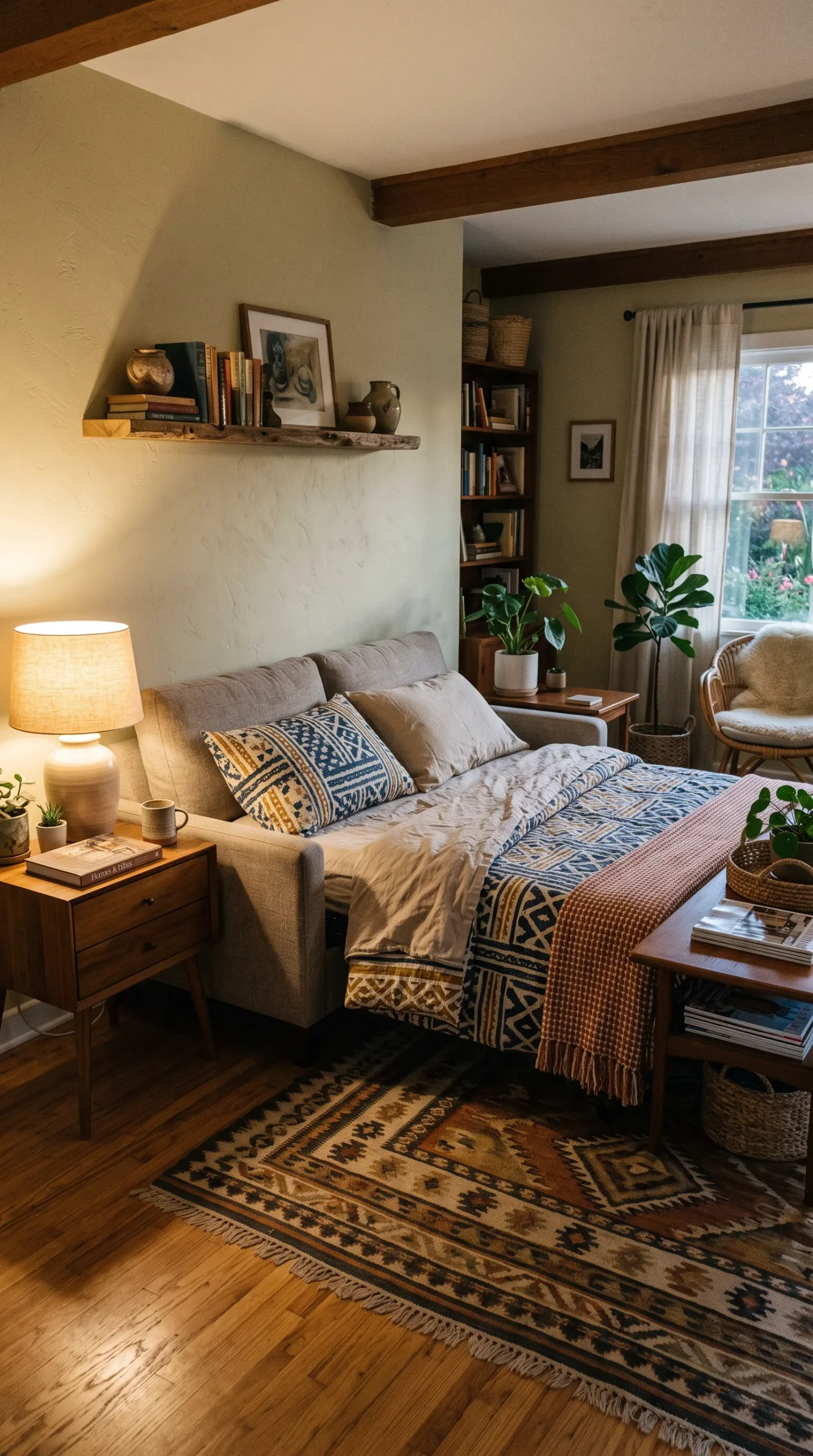
A sleeper sofa makes sense for anyone who regularly hosts overnight guests but does not have a dedicated guest room, and the category has improved significantly in recent years in terms of mattress comfort. Look for a pull-out with at least a memory foam or hybrid mattress insert rather than the thin, spring-heavy versions that used to be standard, since those older mattresses are the main reason sleeper sofas got a reputation for being uncomfortable. The honest tradeoff is that sleeper mechanisms add weight and reduce some of the lounging comfort of a standard sofa, since the frame has to accommodate the folding mechanism underneath the seat cushions. They also tend to sit at a higher price point than a comparable non-sleeper sofa of the same size, so this is really a purchase that makes sense only if you will use the function regularly, not as a just-in-case feature.
Designer Advice: Test the actual mattress, not just the sofa cushions, before buying a sleeper. A great-feeling sofa can still hide an uncomfortable pull-out mattress.

Color Temperature and Natural Light
The direction your living room faces changes how any sofa color actually reads in the space, and this is one of those details that rarely comes up until you have already unwrapped the delivery. Rooms with mostly north-facing light tend to receive cooler, bluer daylight, which can make warm tones like terracotta or mustard look slightly muted, while rooms with south or west-facing light tend to warm up colors and can make cool grays or blues look a little flatter than they did in the store. This does not mean you need to avoid a color because of your room’s orientation, but it is worth viewing a fabric sample in your actual room at different times of day rather than trusting how it looked under a showroom’s even lighting. Layered lighting in the room itself, meaning a mix of overhead, lamp, and accent lighting rather than a single overhead fixture, also helps any sofa color look more dimensional in the evening instead of flat under one harsh light source.
Designer Advice: Add at least one warm-toned lamp near the sofa regardless of color choice. It softens cooler fabrics and keeps warm tones from looking washed out at night.
Final Thoughts
Choosing the right sofa really comes down to working through these decisions in order instead of all at once. Start with the honest measurements, since no style or fabric choice matters if the piece cannot physically fit your room or your front door. From there, let your actual lifestyle guide the style and material choices rather than what looks best in a single photo, especially if you have kids, pets, or guests who stay over regularly. Color and pattern are the most reversible decisions in the process, so they are the right place to take a bit more risk, while frame quality and suspension are the least visible but most important factors in whether your sofa is still comfortable in five years. None of this has to be complicated once you break it into pieces. Measure first, decide how you actually use a sofa day to day, then let style and color follow from there. A good sofa is not the one that photographs the best in a showroom, it is the one that still feels right after a few hundred ordinary evenings on it.
Frequently Asked Questions
How much should I budget for a good quality sofa?
It depends heavily on your area and the materials involved, but a sofa built with a kiln-dried hardwood frame, proper joinery, and a quality cushion fill typically starts in the mid-range price bracket and goes up from there. Spending more upfront on construction usually saves money over time, since you avoid replacing a poorly built frame within a few years.
What is the most durable fabric for a sofa with kids and pets?
Performance fabrics like Crypton or Sunbrella, along with leather, tend to hold up best to daily wear, spills, and pet claws. Leather develops character over time and is easy to wipe clean, while performance fabrics resist staining without sacrificing a soft, livable look.
How do I know what size sofa will fit my living room?
Measure your seating wall and leave at least 18 to 24 inches of walking space around the sofa. Use painter’s tape on the floor to outline the exact footprint before buying, and always check doorway and hallway dimensions to make sure the sofa can actually be delivered into the room.
Is it better to buy a sectional or a standard sofa?
Sectionals work well for larger or open-concept rooms and for households that want maximum seating, while a standard sofa tends to suit smaller or more traditional layouts better. If you are unsure, a modular sectional offers a middle ground since the pieces can be rearranged or used separately later.
How often should I replace the cushions on my sofa?
High-density foam cushions typically hold their shape for seven to ten years with regular use, while down-filled cushions may need replacing or refilling sooner if they are not fluffed regularly. If a cushion has visibly flattened or lost its support, replacing the insert is usually more affordable than buying a new sofa.
Should I choose a trendy color or stick with neutral?
It depends on how often you like to redecorate and how confident you feel about the color long term. Neutral sofas are easier to update through pillows and accessories, while a bold color can make a room feel more finished and personal, as long as you are prepared to live with that choice for several years.