Guest Bedroom Looks Your Visitors Will Actually Remember
Every guest room has a bigger job than people give it credit for. It has to feel warm the first night someone sleeps there, function well enough that a guest never has to ask where anything is, and look put together without feeling staged. After putting together guest rooms for my own home and for friends over the years, the ones that work best are rarely the most expensive. They are the rooms where every choice, down to the lamp on the nightstand, was made with an actual guest in mind.
This list gathers twenty three guest bedroom ideas grouped by feeling, calm and neutral, colorful and personal, compact and clever, natural and textured, polished and hotel-like, or simply budget-friendly. Each one covers color, furniture, lighting, and small details that make it work in a real room, with an honest note on where it shines and where it might not fit. Pick what matches your space and your guests, not what just looks good in a single picture.
Calm and Neutral Rooms
Warm White Walls With Linen Bedding
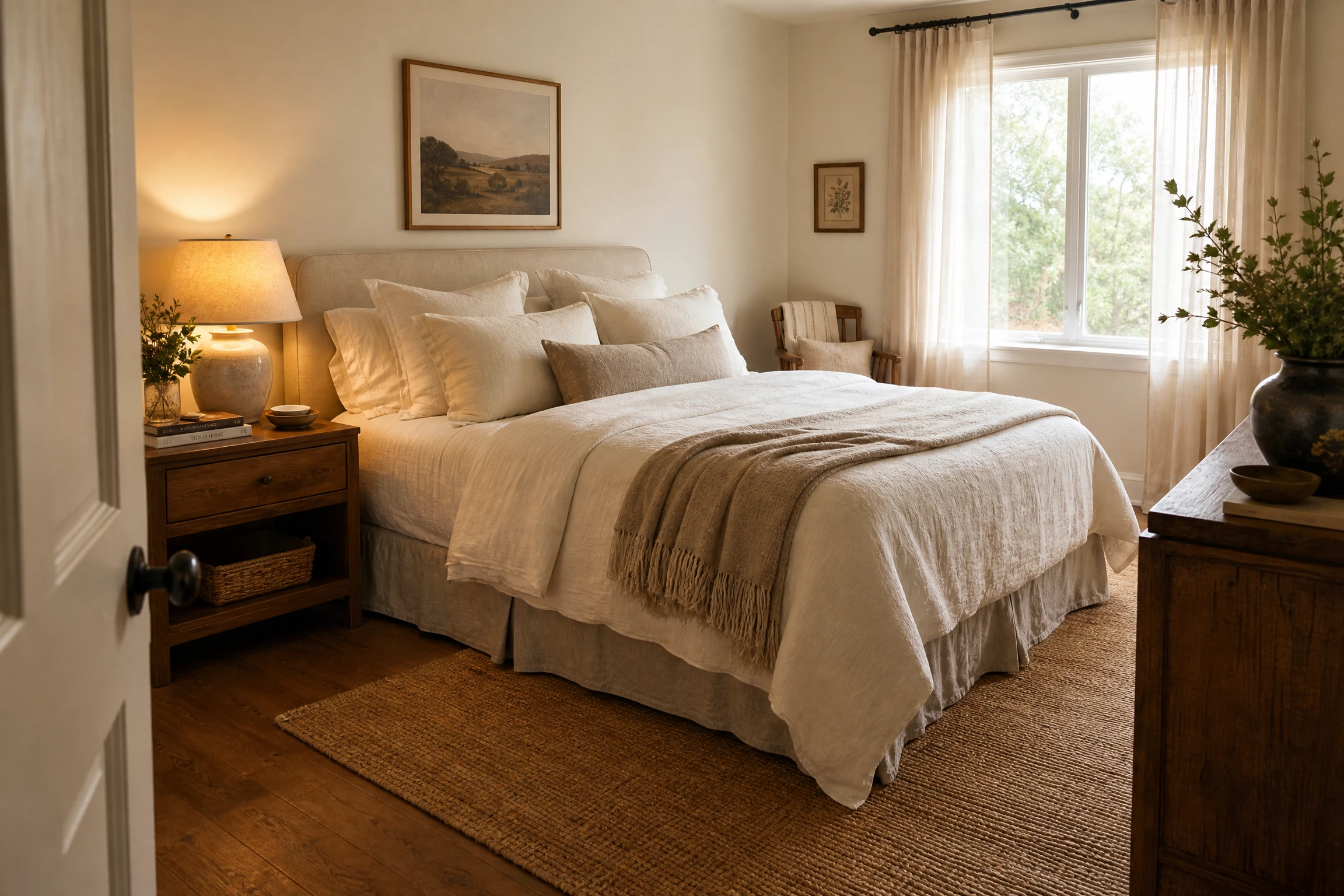
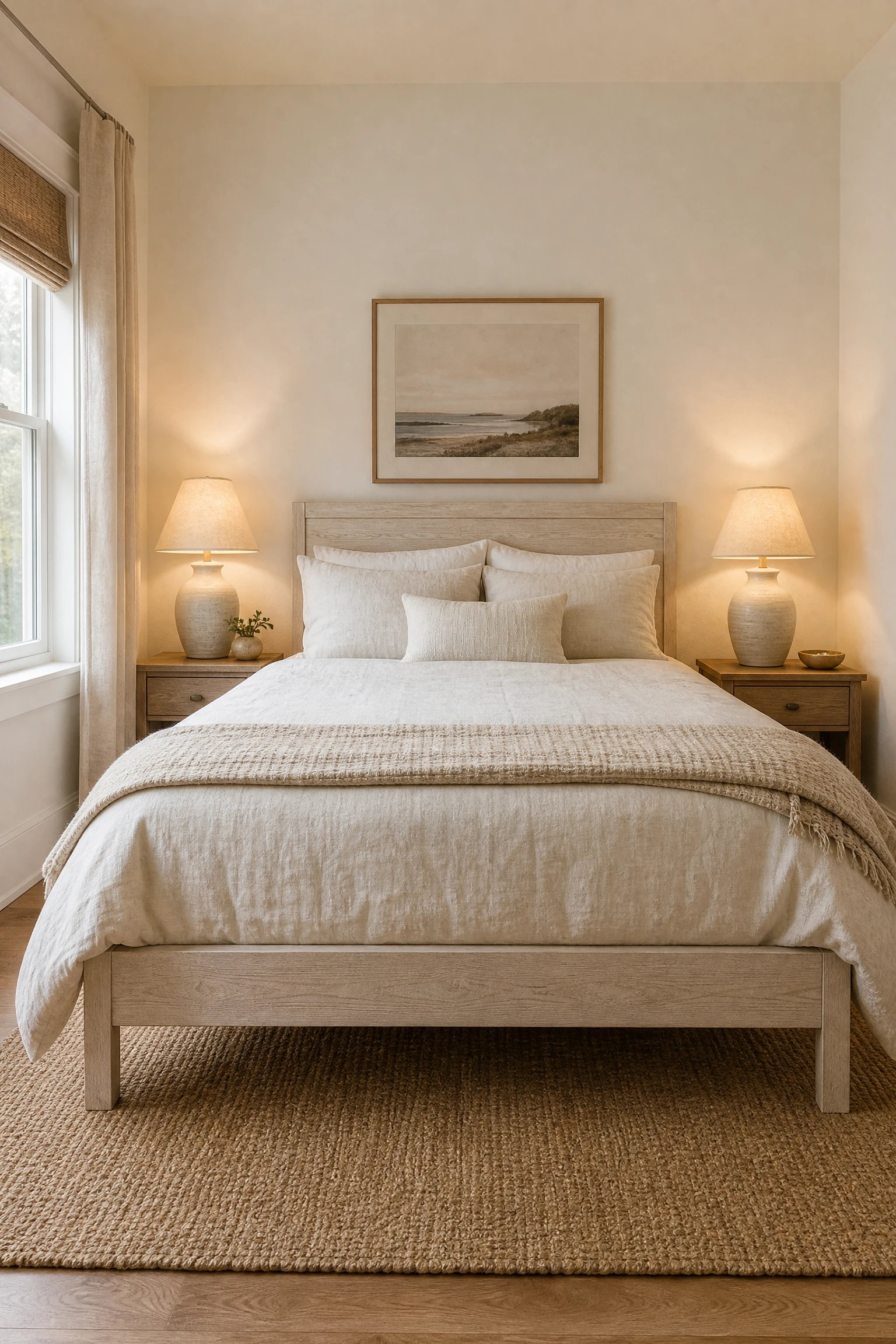
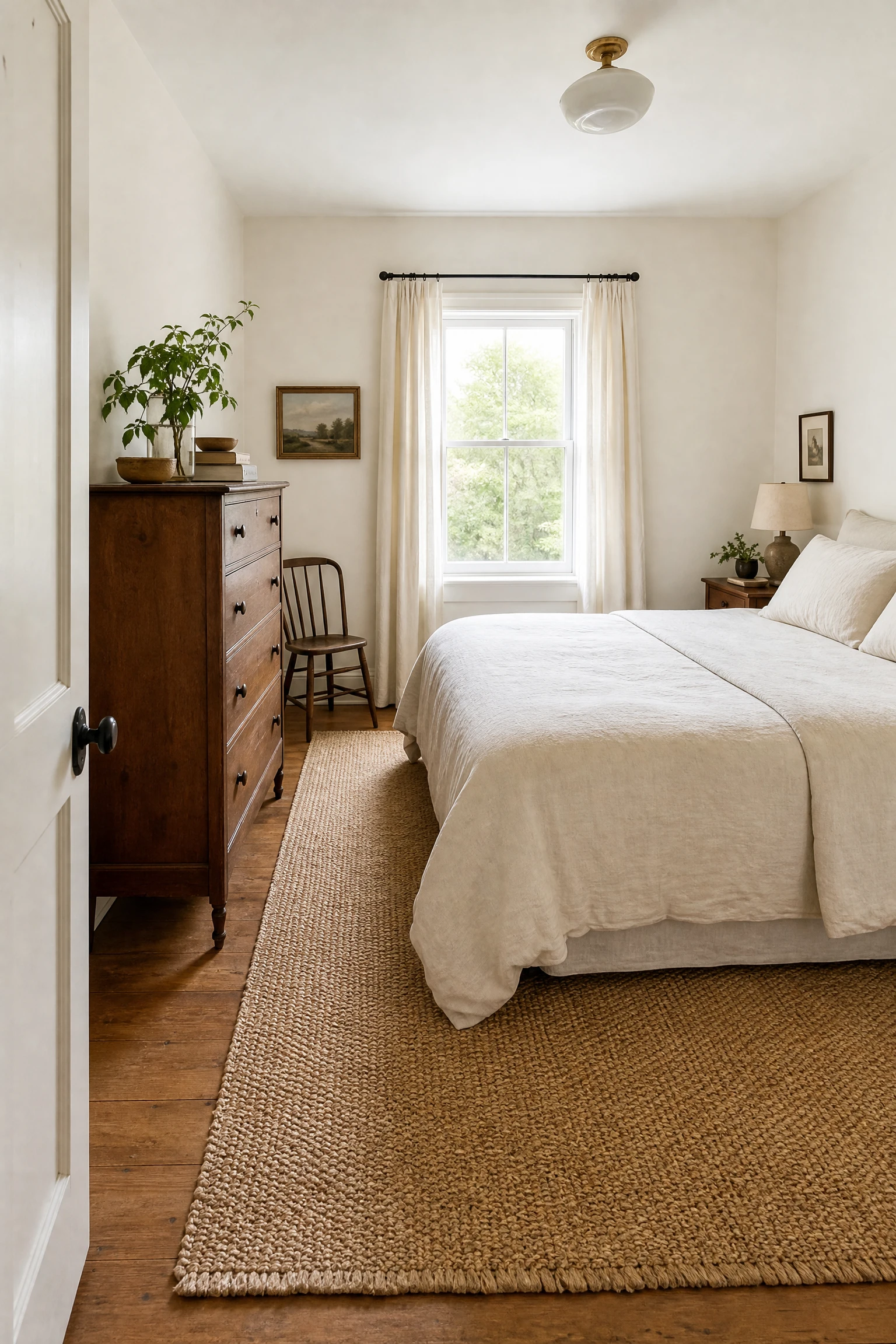
A warm white wall, one with a hint of cream rather than stark, cool white, makes a guest room feel settled instead of sterile. Pair it with linen or linen-blend bedding in a similar tone so the bed reads as one soft mass rather than a patchwork of prints. A simple white oak or ash bed frame keeps the furniture light. Skip the overhead fixture as your main light source and use two matching ceramic lamps around 2700K, since that warmer temperature makes a neutral room feel cozy rather than clinical. A jute rug adds texture without adding another color to manage. This palette is forgiving, though it can look flat without one textured throw or a piece of art with real depth.
Designer Tip: Keep every white in the room from the same warm undertone family so the walls, trim, and bedding do not fight each other under changing light.
Soft Gray and Boutique Hotel Styling
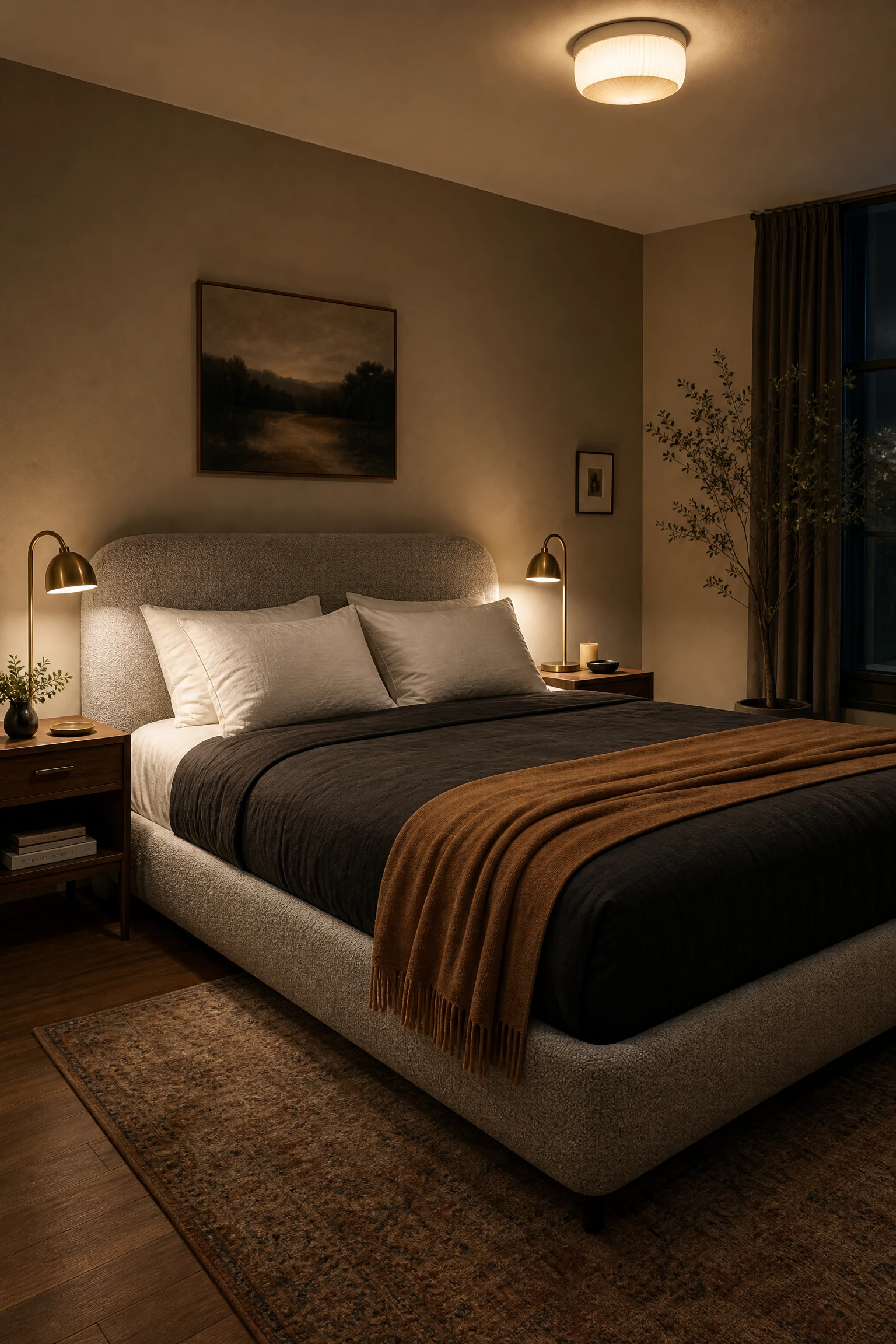
Soft gray has stuck around as a guest room favorite because it splits the difference between neutral and interesting. A tailored upholstered bed in bouclé or linen gives a boutique feel, especially with brass or matte black hardware. Layer a charcoal duvet with two or three white pillows, the same trick most hotels use to make a bed look intentional. Add a flush mount for general light plus a reading lamp on each side. A folded caramel or rust throw at the foot of the bed keeps an all-gray room from reading too cold. This is mid-range in cost, and light gray fabric shows marks faster than a patterned one, so it is not the most practical pick for a kids’ sleepover room.
Designer Tip: Add one warm wood or brass element, like a rattan mirror, so the gray does not turn cold under overhead lighting.
Minimalist Room With One Statement Piece
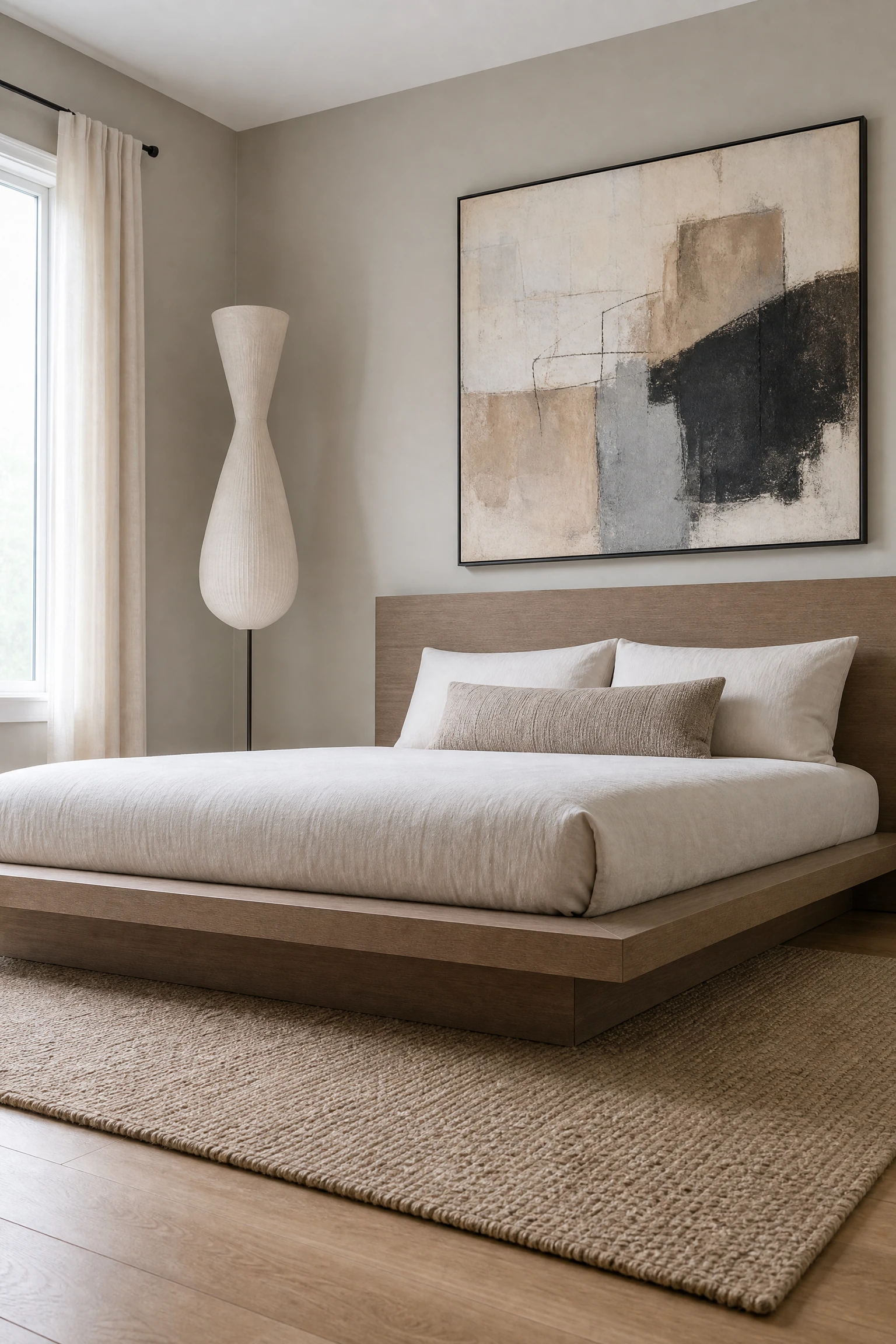
A minimalist guest room does not mean an empty one, it means every object earns its spot. Start with a plain platform bed, keep the walls soft off-white or greige, and let one piece carry the personality, an oversized abstract print or a sculptural floor lamp. Keep furniture to the essentials: the bed, a nightstand or two, and a small bench only if the room fits it without feeling tight. A single well-placed floor lamp can often replace both a lamp and a wall sconce. Fewer surfaces means less clutter for a guest at night, though a purely minimalist room can feel impersonal without one small touch, like a dish for jewelry or two or three good books.
Designer Tip: Choose your one statement piece first, then build the rest of the room around its scale and color.
Monochrome Charcoal With Warm Lighting
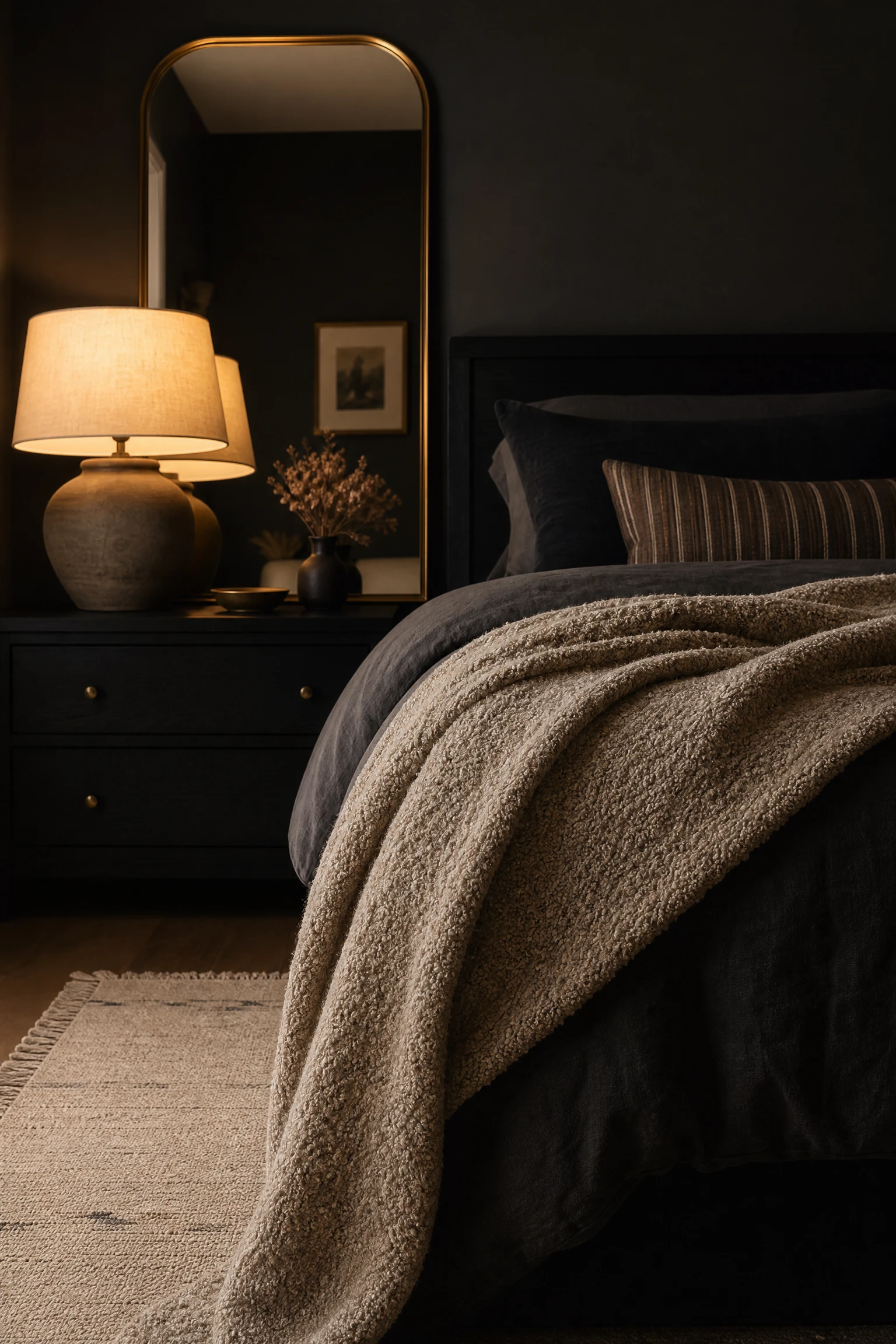
A dark, monochrome guest room is not for every house, but done well it is memorable. Deep charcoal walls with black or walnut furniture work especially well in a room without much natural light anyway. Avoiding a cave-like feel takes generous warm lighting, multiple low color-temperature lamps and, ideally, a dimmer. Lean on texture over pattern for bedding, a bouclé throw or chunky knit blanket gives the eye something to land on. A brass mirror keeps the room from feeling heavy. Designers reach for this look often since it photographs beautifully, though it shows dust more easily and is not the best fit for a bright home office room.
Designer Tip: Balance dark walls with a light flatweave rug so the floor does not disappear into the walls at night.
Color and Personality Driven Rooms
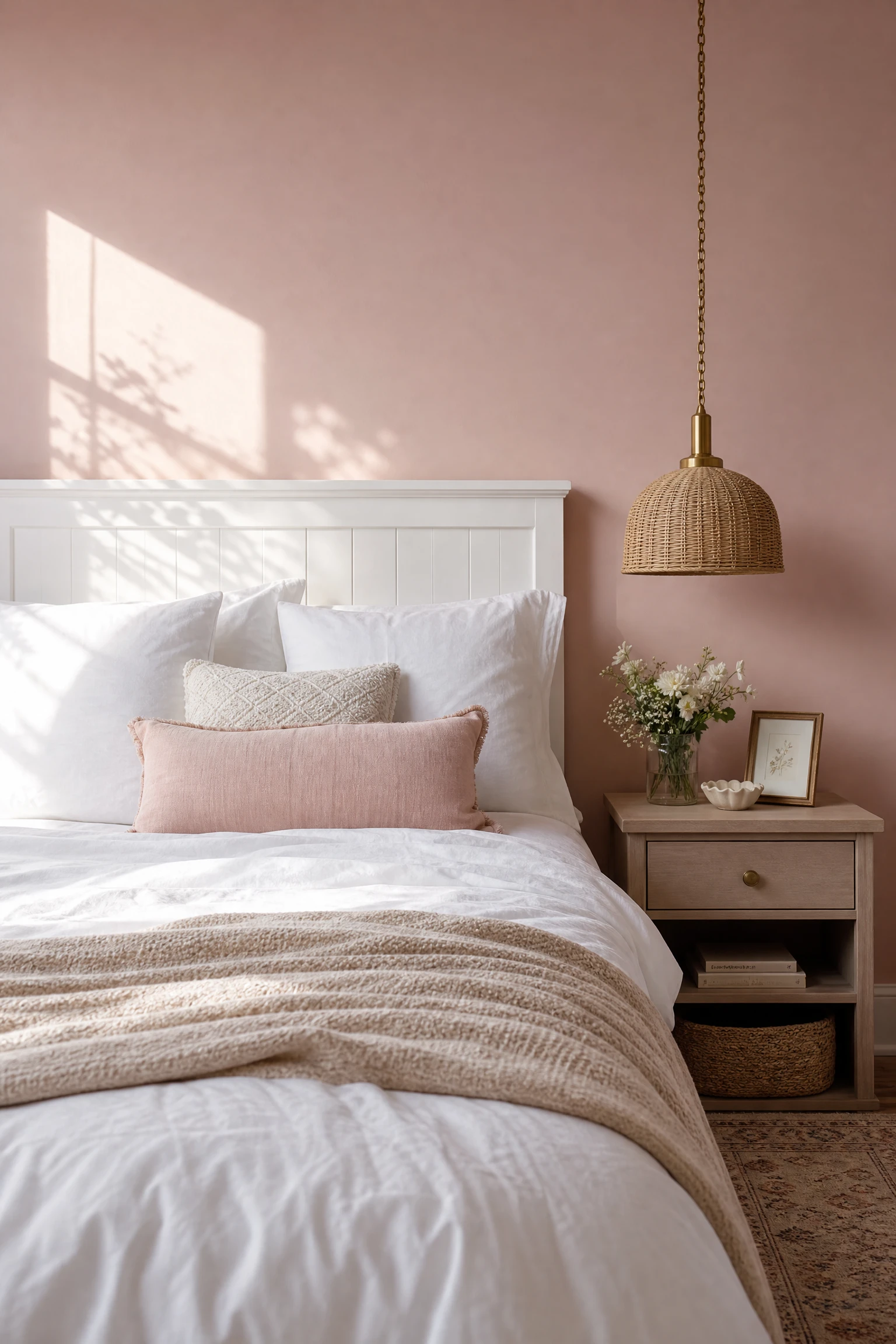
Pastel Blush Pink With White Furniture
Blush pink has settled into a dependable guest room color because it is warm without being loud. Pair it with white or cream furniture so the pink stays soft rather than sweet, and keep bedding mostly white with a single blush accent pillow rather than matching every textile to the wall. Brass or gold lighting, like a rattan pendant, warms the color up nicely. This palette does skew feminine, worth thinking about who typically stays in the room. It is also one of the more affordable refreshes here, since paint and a few pillows can change the room without touching the furniture.
Designer Tip: Test the pink at different times of day before committing, since pastels shift more under changing light than neutrals do.
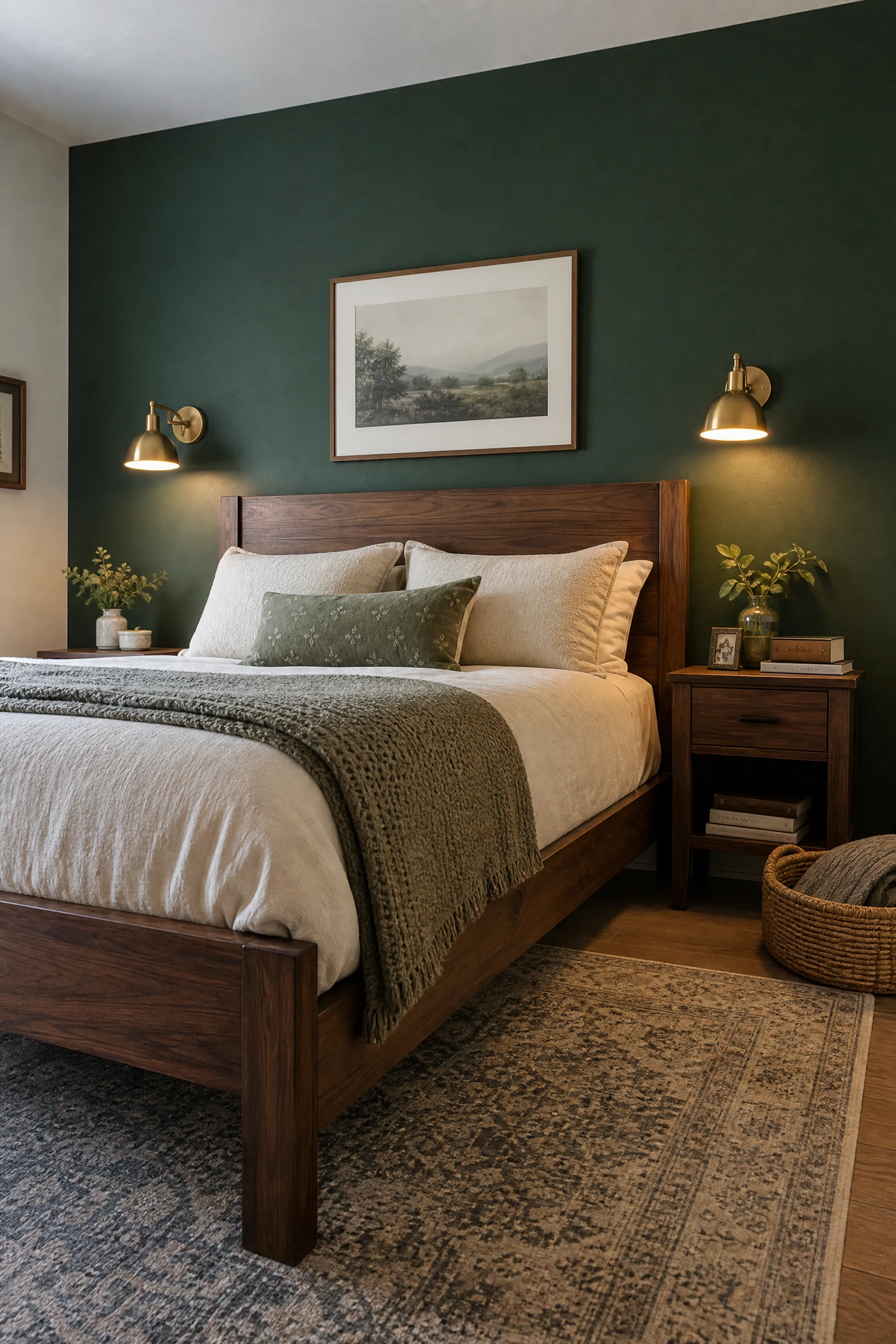
Deep Emerald Green Accent Wall
An emerald or forest green wall behind the headboard gives the room an instant focal point. Keep the other three walls soft white or warm beige so the green reads as a statement, and lean on warm wood furniture, which suits green better than cool gray tones. Brass sconces flanking the bed add a formal feel, and a woven basket or two brings in texture. Many designers reach for this color since it holds up under both warm and cool natural light. A fully painted wall is a bigger commitment than a pastel one, and needs real primer if you want to go back to white.
Designer Tip: Repeat the green in a small dose elsewhere, like a lampshade, to tie the accent wall back into the room.
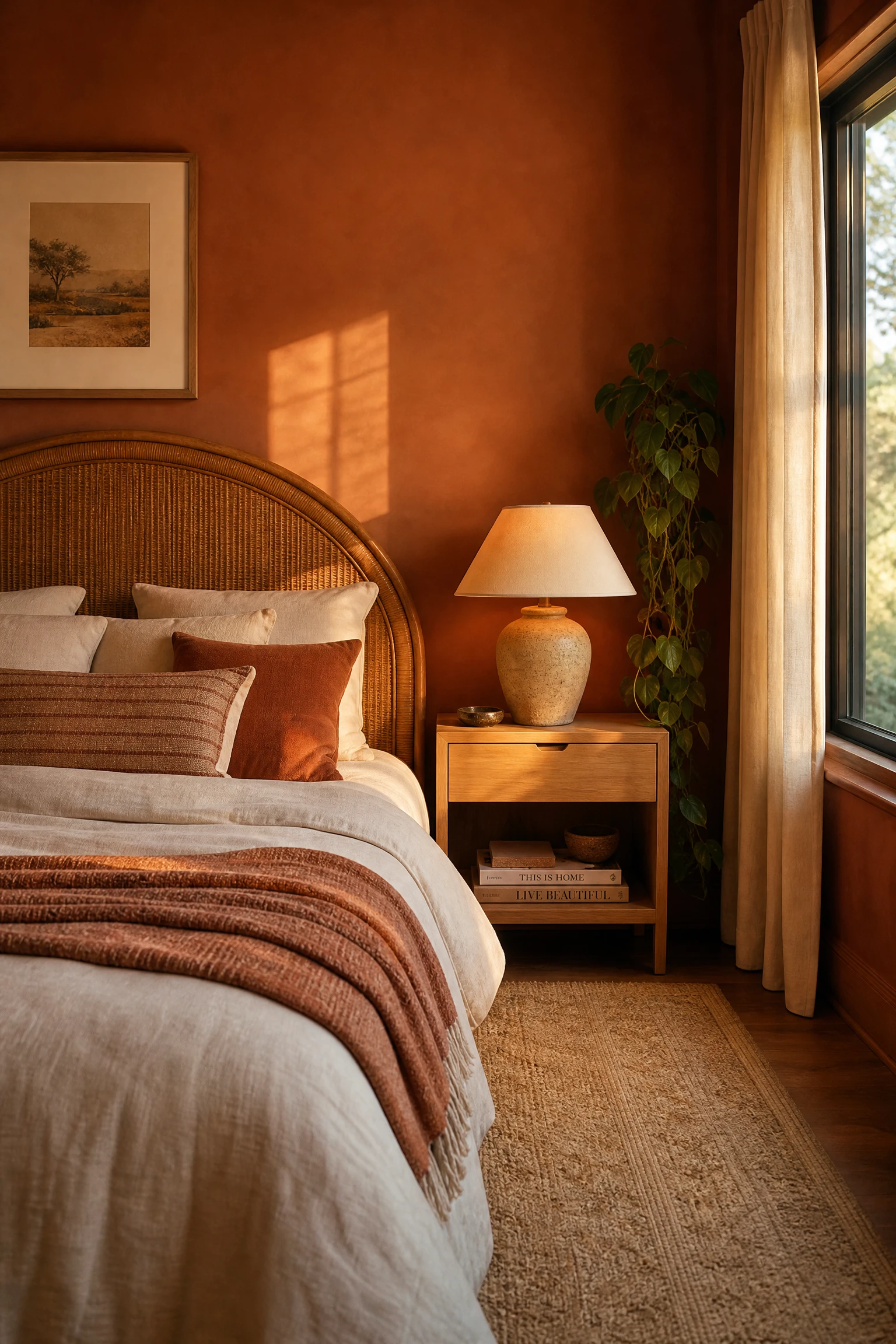
Terracotta and Warm Earth Tones
Terracotta brings real warmth into a guest room, especially one with good natural light where the color can glow. Pair it with sand, cream, and light wood rather than stark white, which can feel harsh against it. A woven rattan or cane headboard leans into the earthy feel, and a wool or jute rug grounds the palette. A simple ceramic lamp with a linen shade does more here than anything sleek. This look feels most at home in a room with some architectural character and can read as costume-like in a boxy, modern space. It is an affordable palette, since terracotta paint and a few natural accessories go a long way.
Designer Tip: Add one trailing plant, since terracotta plus greenery is what really sells this look, not the color alone.
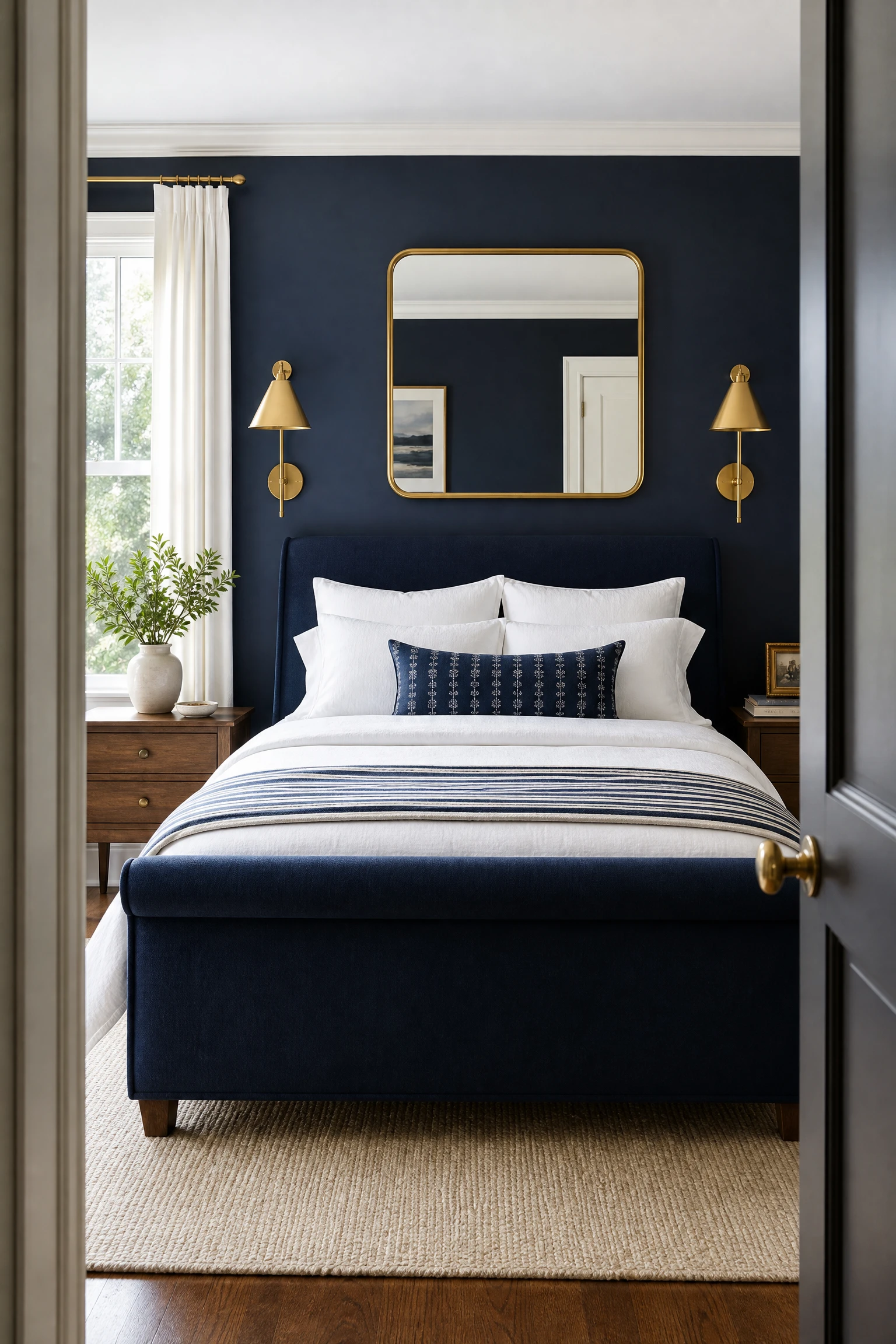
Navy Blue With Brass Accents
Navy walls or a navy upholstered headboard bring a formal, traditional feel without going as dark as a full charcoal room. Pair navy with crisp white bedding and brass hardware, since that contrast gives the combination its energy. A striped or textured throw adds interest without a second competing color. This palette works best in rooms with good natural light, since navy can swallow light the way charcoal does. A classic silhouette, like a sleigh bed, suits it better than something low profile. Navy is a bigger paint commitment than most colors here, worth living with a sample first.
Designer Tip: Repeat brass in at least three spots, lighting, a mirror, and a small tray, so the metal accent feels intentional.
Small Space and Multi-Functional Solutions
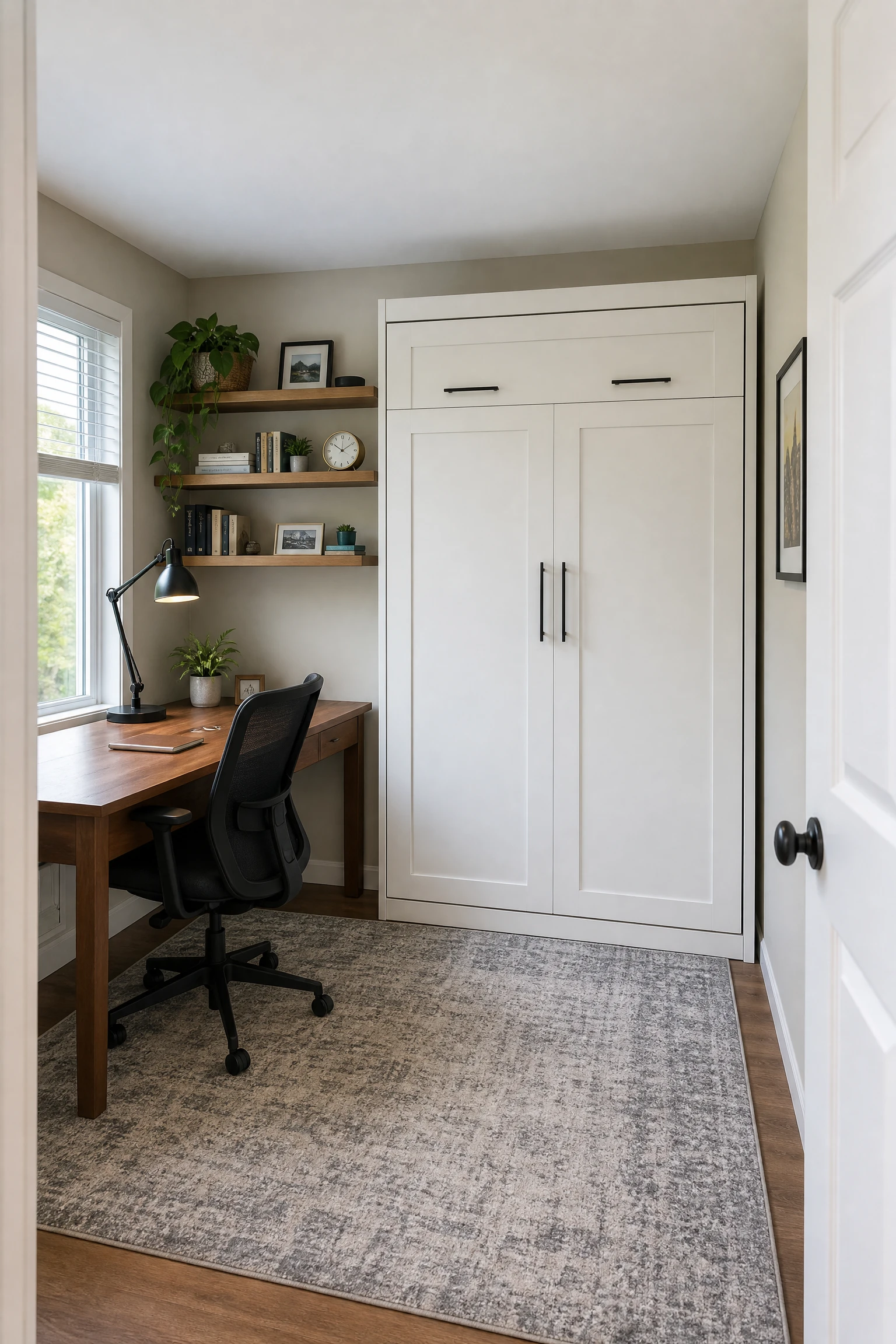
Murphy Bed With Home Office Combo
If your only spare room doubles as an office most of the year, a murphy bed is a smart investment rather than a compromise. Folded up, the room reads as a real office with a desk and shelving, and it folds down when a guest arrives. Choose a light wood or white cabinet finish so it blends into the wall. Keep the bedding simple, a fitted sheet, duvet, and two pillows, since you will be setting it up often. Add a task lamp for the desk and a warm lamp for reading in bed. This is one of the pricier items here, often four figures for a good unit, but it solves a space problem no amount of decorating can fix alone.
Designer Tip: Measure the swing clearance before buying, since many murphy beds need several feet of open floor space to fold down safely.
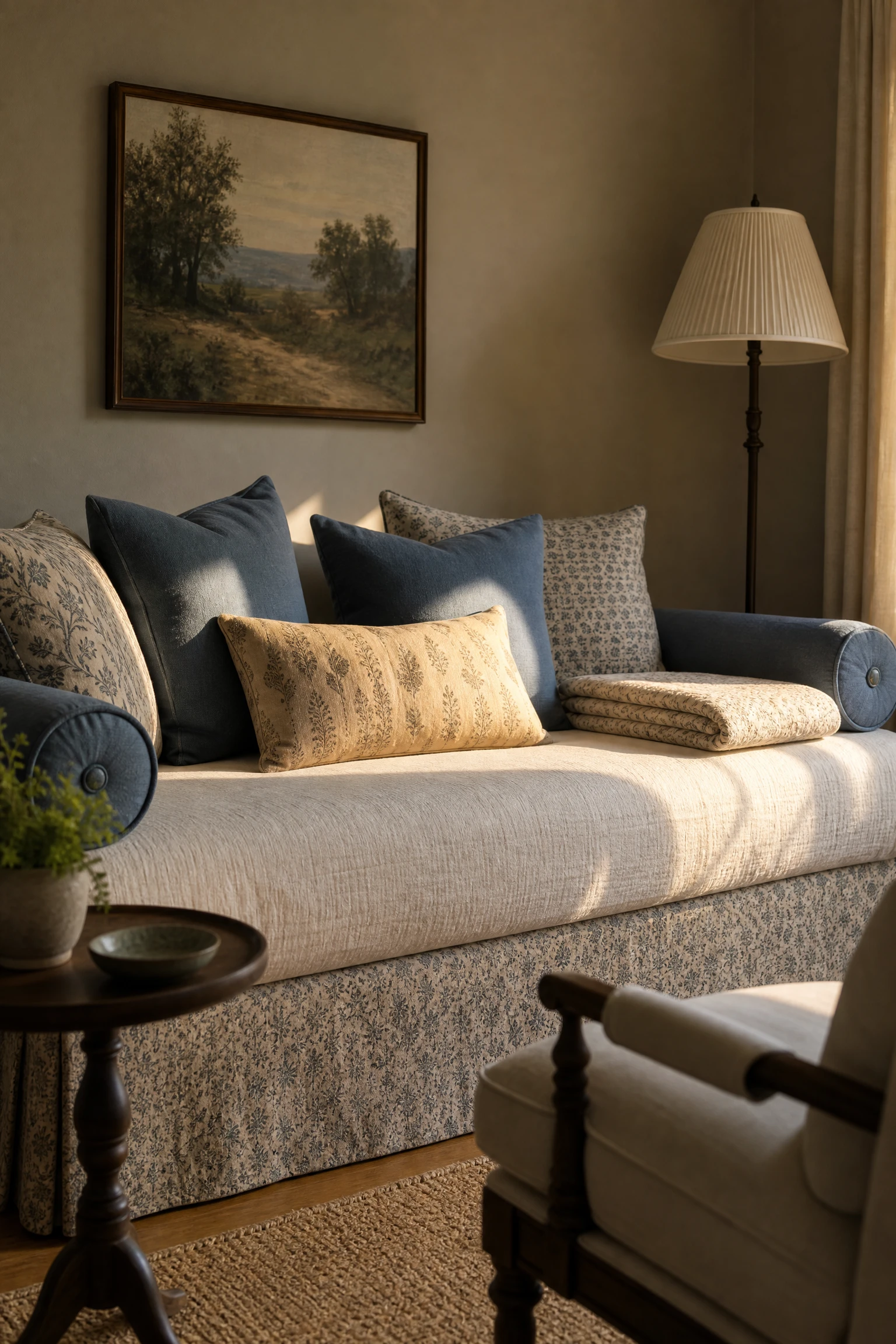
Daybed That Doubles as a Reading Nook
A daybed styled with bolster pillows works as a couch by day and a real bed at night, which suits a room that also functions as a den or craft room. Choose one with a trundle if you often host more than one guest, since the second mattress tucks away when not needed. Mix in two or three coordinating pillow colors so it reads as a couch first, and keep the bedding underneath simple to make up quickly. A small side table and floor lamp finish the nook. A daybed mattress is usually thinner and firmer than a standard one, which longer-staying guests will notice.
Designer Tip: Add a lumbar pillow at the head of the daybed specifically for daytime lounging.
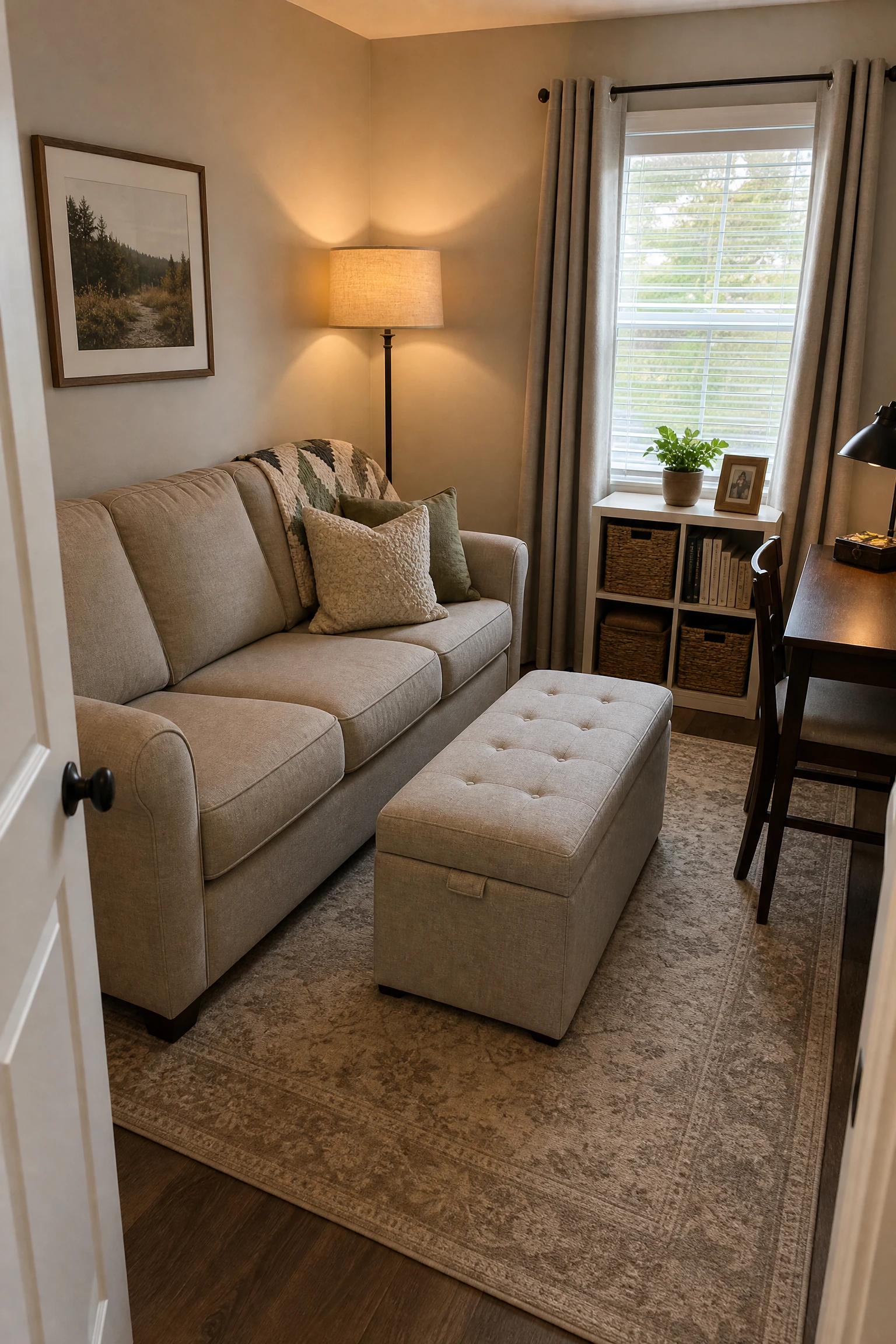
Fold-Out Sofa Bed With Storage Ottoman
Modern memory foam pull-out mattresses have come a long way from the lumpy versions of a decade ago. Choose a sofa in a durable, easy to clean performance fabric, especially if the room gets everyday use too. A storage ottoman doubles as a coffee table and a place to stash extra bedding out of sight. Keep a folded quilt visible in a basket so guests know bedding is available. A floor lamp beside the sofa works for daytime reading and nighttime use. Even a good pull-out mattress is rarely as comfortable as a real one past two or three nights, so this suits a multi-purpose room better than a dedicated guest space.
Designer Tip: Buy sheets sized specifically for pull-out mattresses, since regular sheets will not stay put on their odd dimensions.
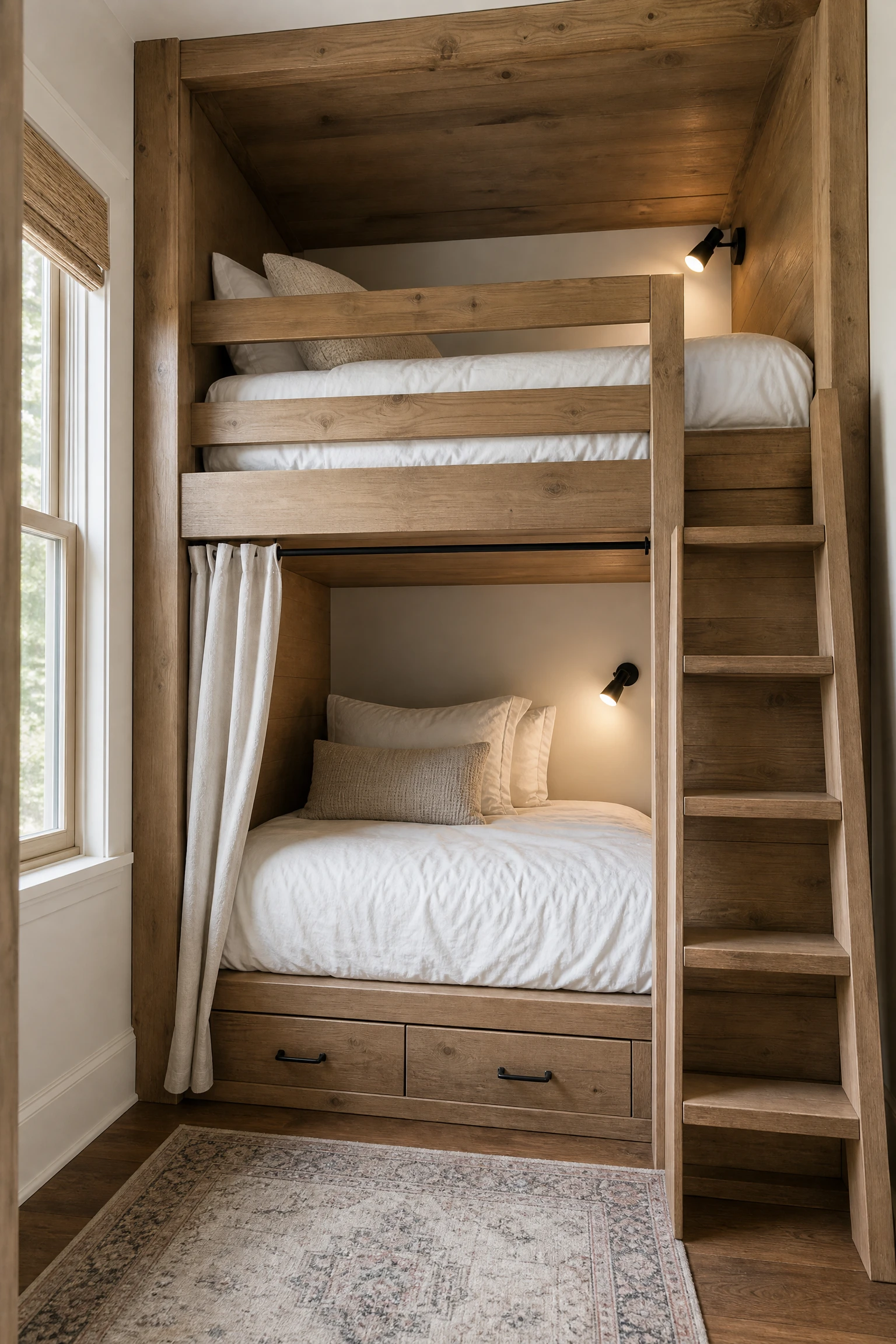
Bunk Beds for Flexible Guest Capacity
A well-built adult-sized bunk set can let a small guest room sleep two or four people comfortably when family visits in a group. Choose a wood finish that matches the rest of your home so it does not read as leftover kids’ furniture. Keep bedding matching and simple, and attach a small reading light to each bunk so two people can read at different times without disturbing each other. This is one of the most practical choices here for anyone who regularly hosts a family with kids, though it commits the room firmly to a guest function, harder to dress up for everyday use.
Designer Tip: Add a curtain to the lower bunk so it feels like its own private space rather than just a bed under a bed.
Nature Inspired and Textural Rooms
Coastal Guest Room With Woven Textures
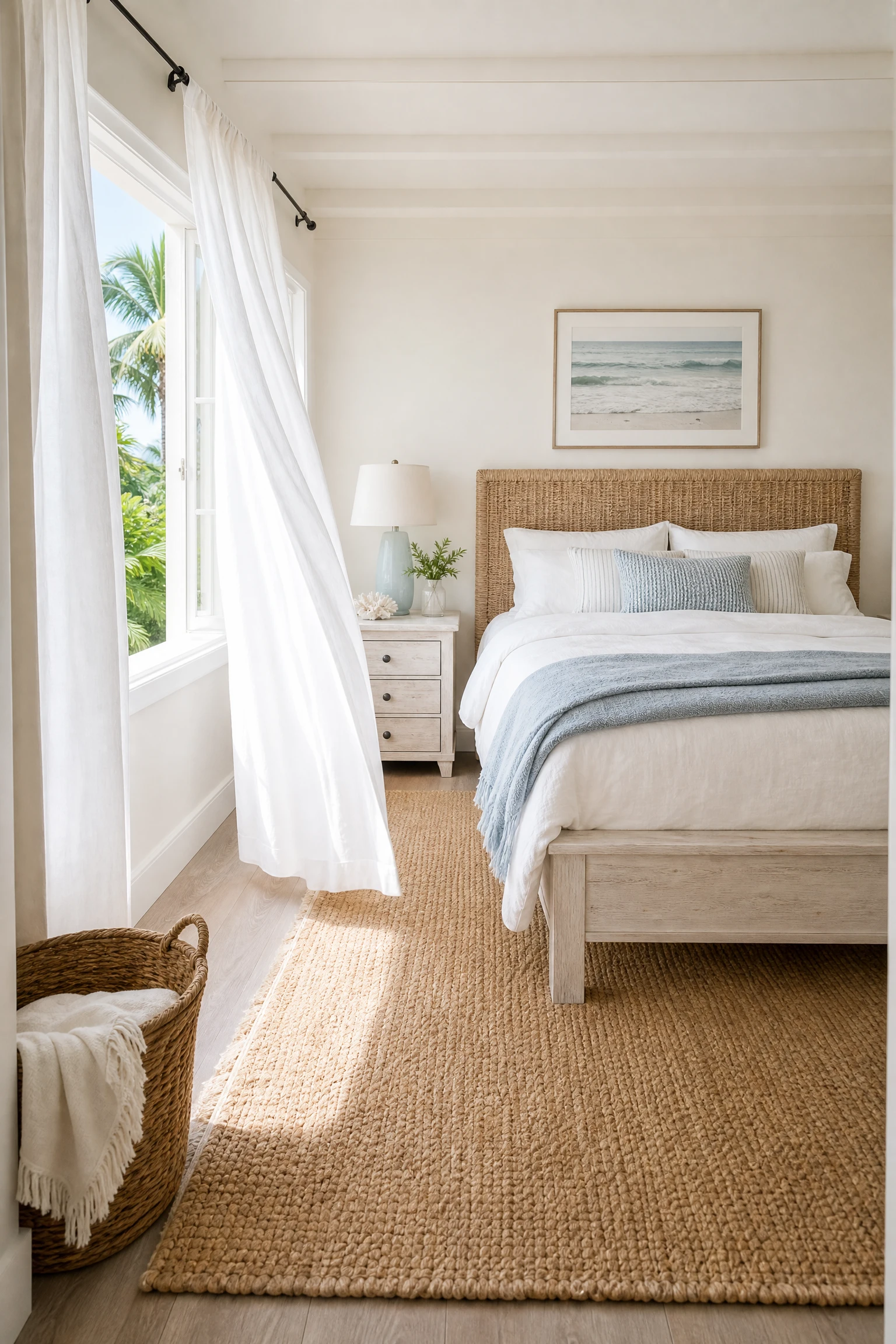
A coastal guest room is less about literal beach decor and more about a light palette built from soft blues, sandy neutrals, and real texture. White or whitewashed wood furniture keeps things airy, and a woven seagrass or rattan headboard reinforces the feel without tipping into theme territory. Texture, not color, carries this look, so lean on a chunky knit throw, a sisal rug, and a woven basket or two. Sheer curtains let in natural light, since this palette can look washed out in a dim room. Too many literal beach references make a room feel like a rental. It suits rooms with good natural light and is a weaker fit for a dark, north-facing space.
Designer Tip: Mix at least two different weaves, like rattan and jute, so the room has depth instead of looking one-note.
Japandi Guest Room With Natural Wood
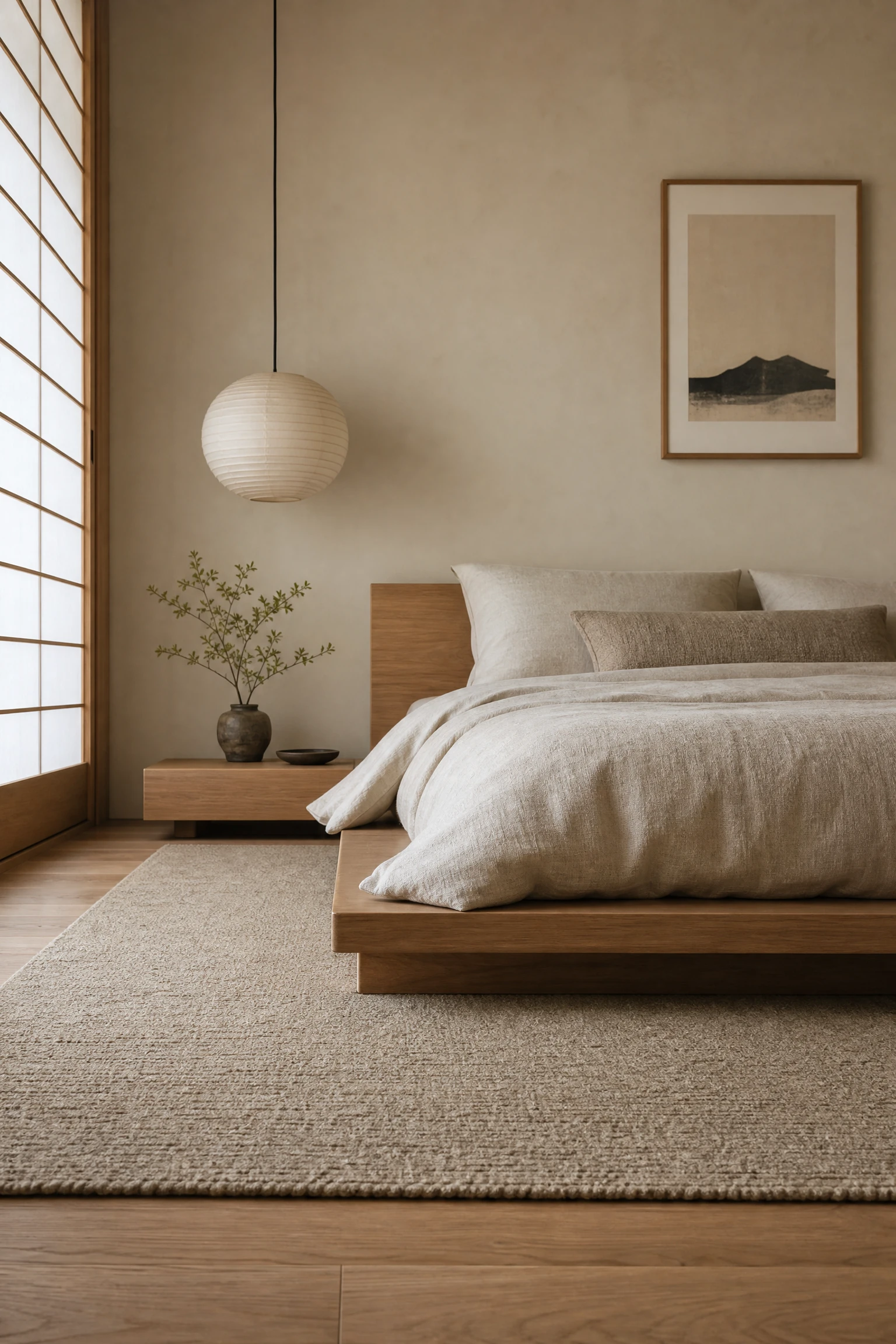
Japandi, the blend of Japanese minimalism and Scandinavian warmth, has become one of the more requested guest room looks because it feels calm without feeling cold. Stick to warm wood, off-white, and soft charcoal, and choose a low profile platform bed. Undyed linen bedding reinforces the understated feel, and a low pile wool rug keeps things grounded. A paper or linen pendant shade suits the style’s Japanese half well. Negative space matters more here than in almost any other look here, so resist filling every surface. It takes discipline to pull off, since it is easy to either overdo the minimalism until the room feels empty or undercut it with one too many objects.
Designer Tip: Choose furniture with visible wood grain rather than painted pieces, since the natural material is what gives Japandi its warmth.
Botanical Room With Layered Greenery
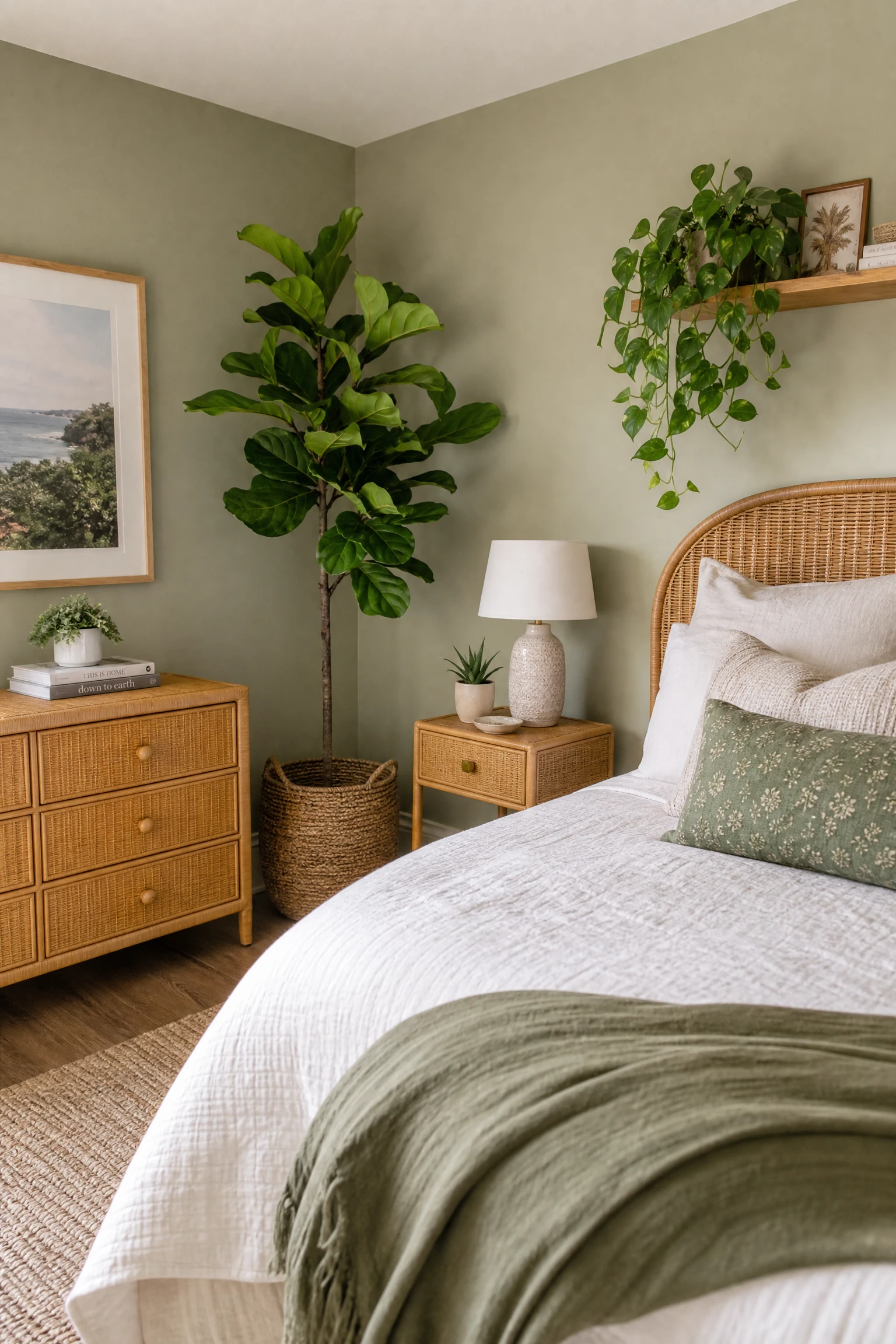
A botanical guest room leans on real or high quality faux plants as the main source of personality rather than pattern or color. Keep walls simple white or soft sage, and choose natural wood or rattan furniture to support the organic feel. Layer plants at different heights, a tall fiddle leaf fig in a corner, a trailing pothos on a shelf, a small succulent on the nightstand. One or two botanical prints tie the room together without adding clutter. This works best with moderate natural light, since real plants need it to thrive, and live plants need consistent watering even between guests, which some households would rather skip with good faux versions instead.
Designer Tip: Group plants in odd numbers, like three or five, at varying heights rather than spacing them evenly.
Wabi-Sabi Room With Imperfect Textures
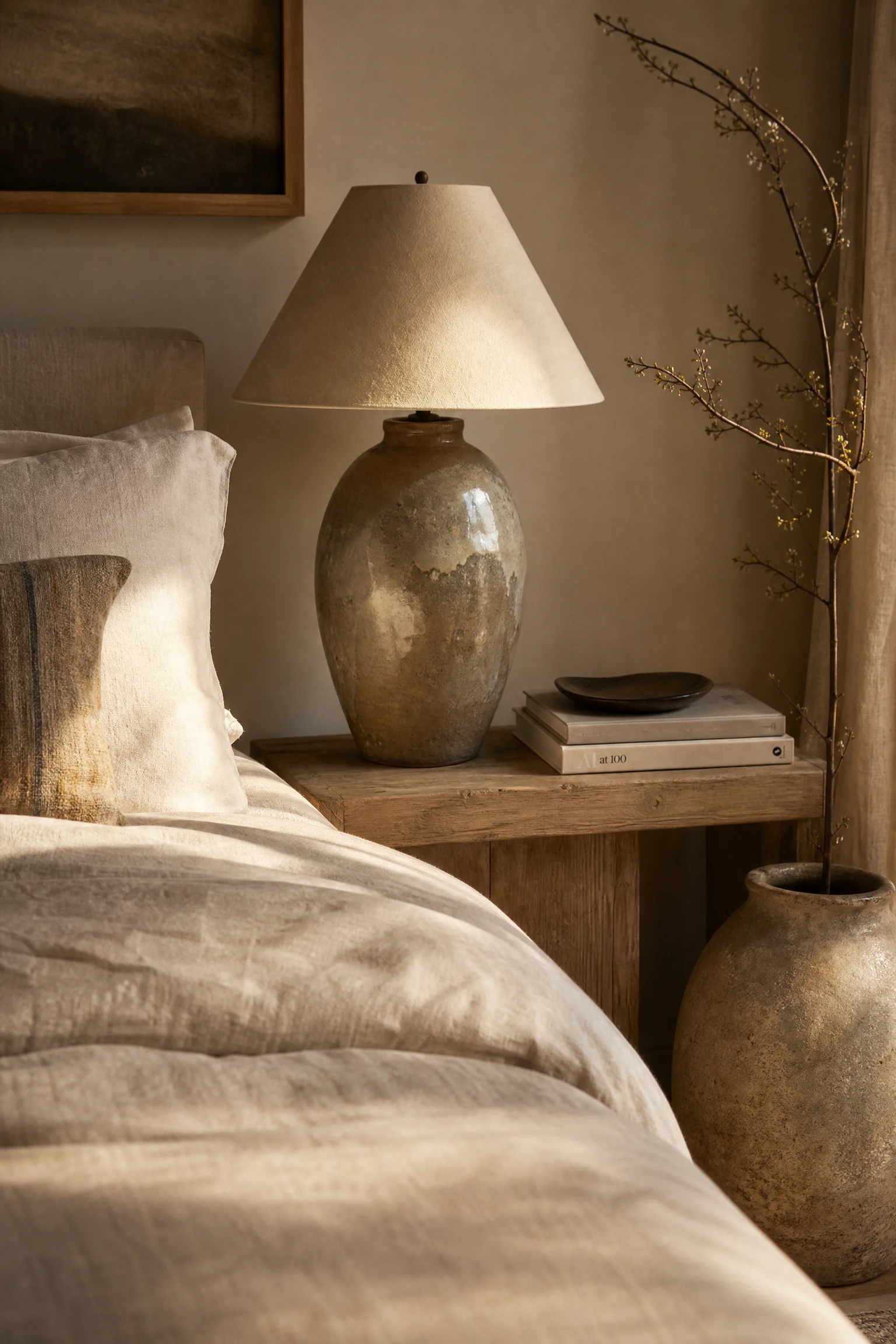
Wabi-sabi, the design philosophy built around natural imperfection, shows up in a guest room through raw, slightly irregular materials rather than anything polished. Think a hand-thrown ceramic lamp with an uneven glaze, a linen duvet with visible slubs, and a wood side table that shows its grain and knots. Keep the palette to warm, muted neutrals, clay, oatmeal, and soft charcoal work well together. Furniture should feel a little worn in, so vintage pieces suit this better than anything sleek and new. A single branch in an asymmetrical vase captures the spirit better than a symmetrical arrangement. This style depends on restraint and can read as unfinished to anyone unfamiliar with the philosophy.
Designer Tip: Choose one or two genuinely handmade pieces, like a local pottery lamp base, rather than mass-produced items that fake the look.
High-End Hotel-Style Suites
Custom Cabinetry Framing the Bed
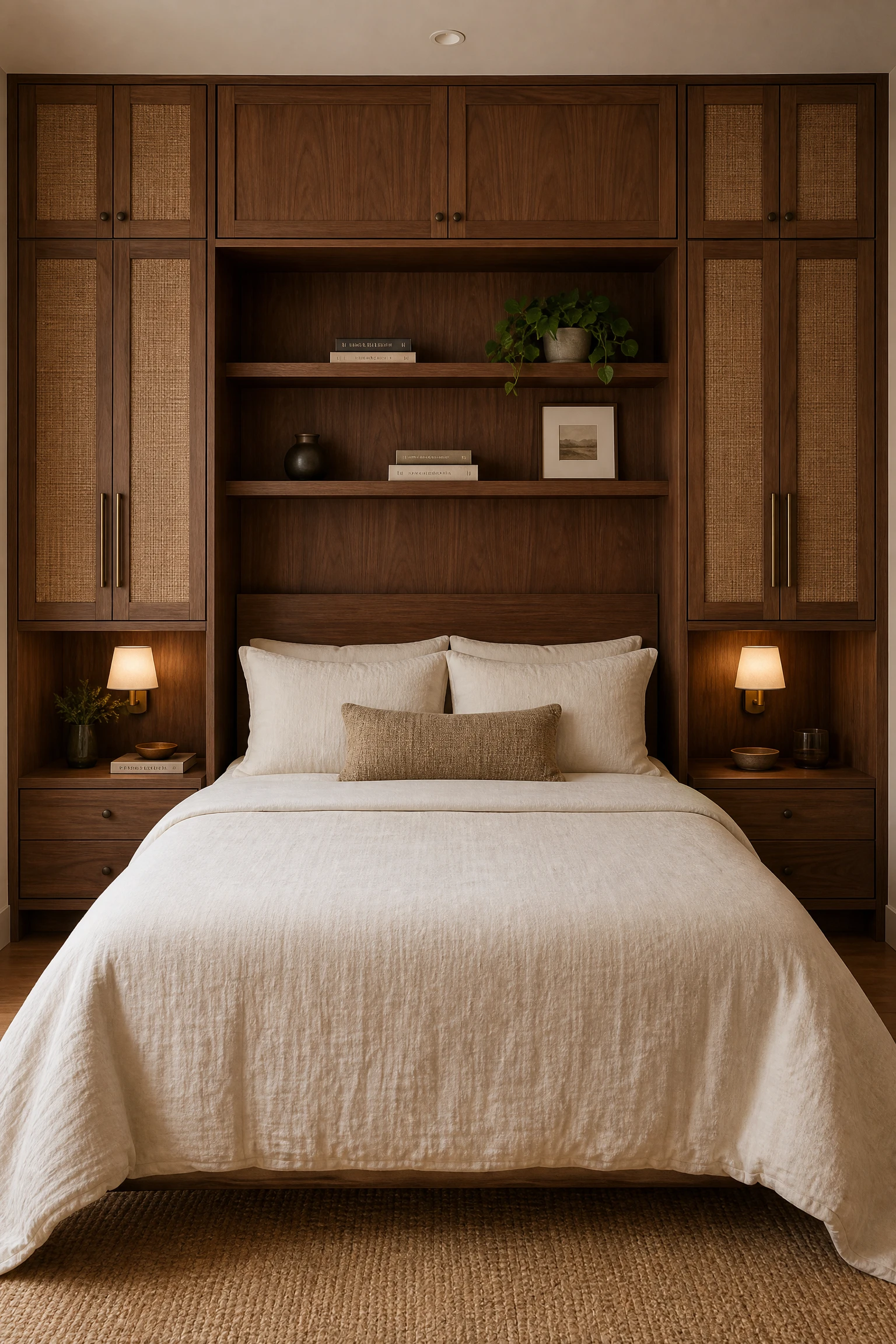
Built-in cabinetry wrapping around the headboard turns a plain guest room into something that feels genuinely custom. Choose a warm wood finish, walnut or similar, with woven panel doors or flat fronts depending on how modern you want the room to feel. Open shelving above the bed suits a small stack of books or a plant. Keep bedding simple and tonal so the cabinetry stays the focal point. This is an investment-level project, usually requiring a carpenter, and most people would not take it on for a room used a few times a year, but for a dedicated guest suite it creates a boutique feel that furniture alone cannot match.
Designer Tip: Build in a hidden outlet near the headboard so guests can charge a phone without a cord across the nightstand.
Oversized Art Above the Bed
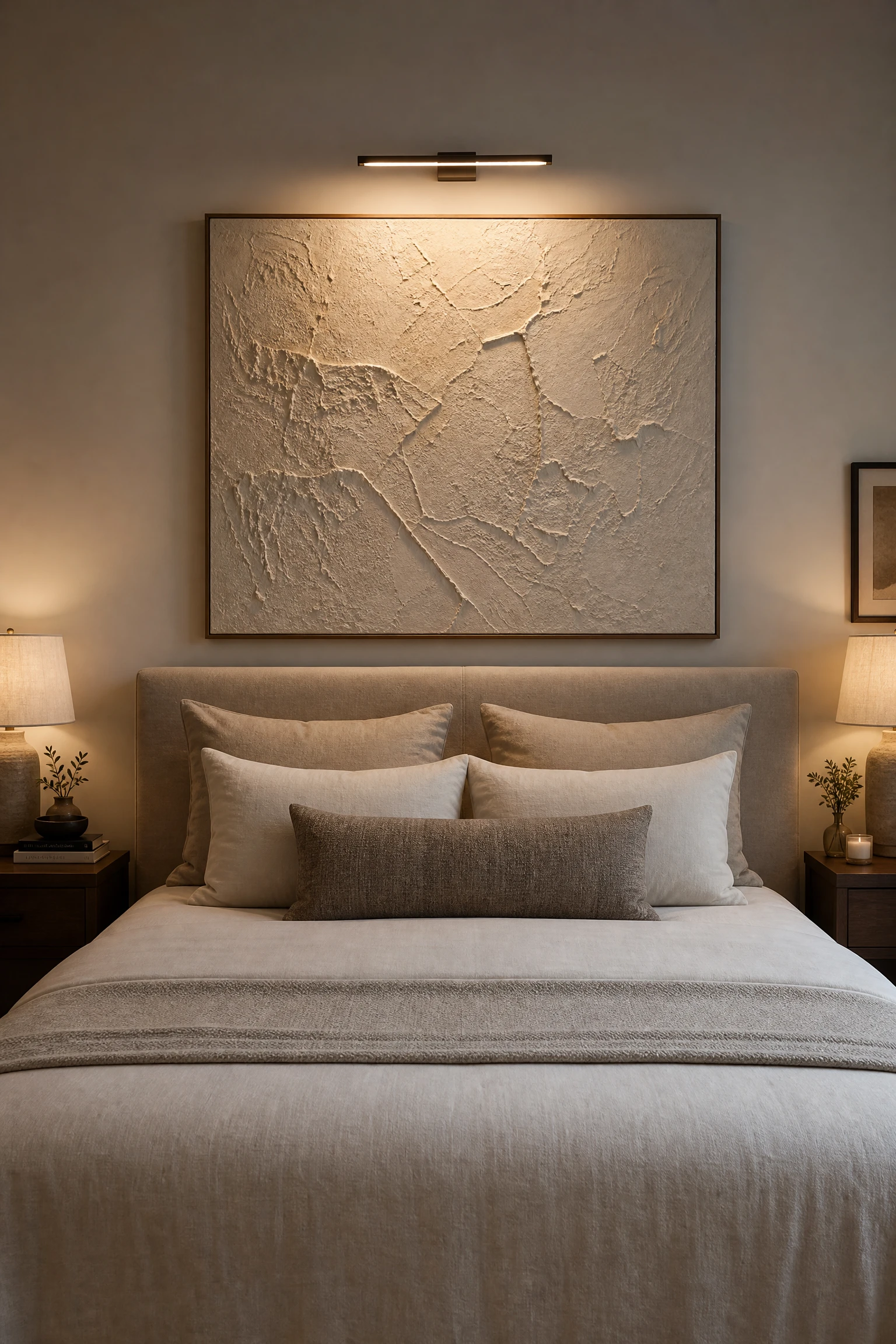
Hanging one large piece of art above the headboard, rather than a small piece or a cluster of frames, makes a real difference in how finished a room feels. Scale matters most, a piece roughly two-thirds the width of the bed frame reads as intentional, while anything smaller can look lost on the wall. A plaster relief, large-scale photograph, or textural fabric hanging all work depending on the palette. This pairs well with almost any color scheme here, since it comes down to scale rather than style. A dimmable picture light adds a nice hotel-style touch if budget allows. Large pieces can get expensive, though a well-chosen large print in a simple frame achieves a similar effect for less.
Designer Tip: Match the art’s palette loosely to the bedding rather than exactly, since a loose connection feels more intentional than a matched set.
Layered Bedding Like a Real Hotel Suite
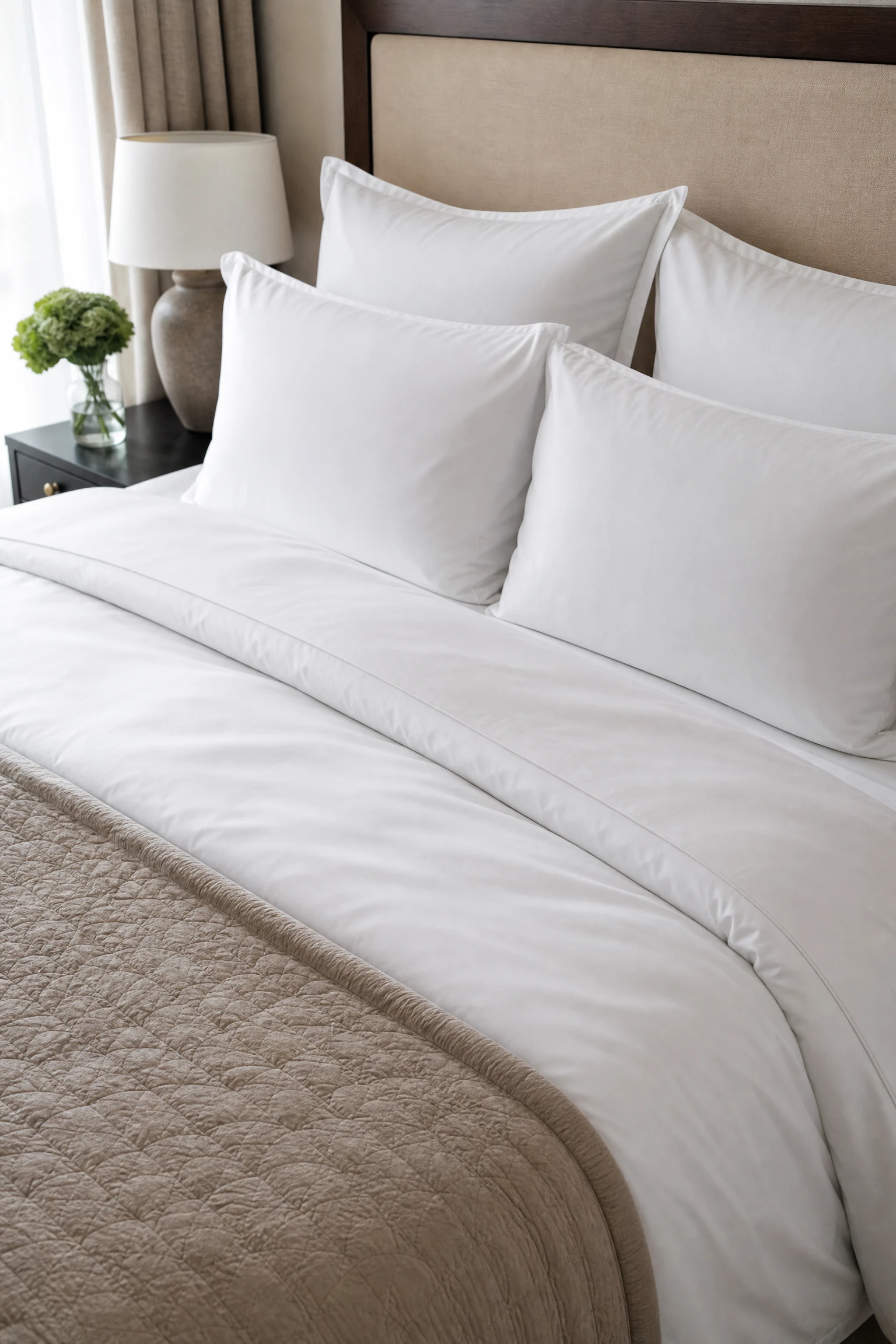
The biggest difference between a guest room that feels like a hotel and one that does not comes down to how the bed is layered, not the furniture around it. Start with crisp white sheets, add a duvet slightly heavier than you might choose for your own bed since guests often run colder in an unfamiliar room, and finish with a folded throw across the foot. Use at least four pillows, two firm for sleeping and two soft decorative ones, more than most people use on their own bed but exactly what makes a hotel bed look inviting. A high thread count cotton or linen blend is noticeable the moment someone sits down. This is one of the most affordable upgrades here for its visual impact, though it needs proper laundering between guests.
Designer Tip: Iron or steam the top sheet and pillowcases before a guest arrives, since crisp fabric reads as luxury even more than the bedding’s quality does.
Floor-to-Ceiling Doors With a View
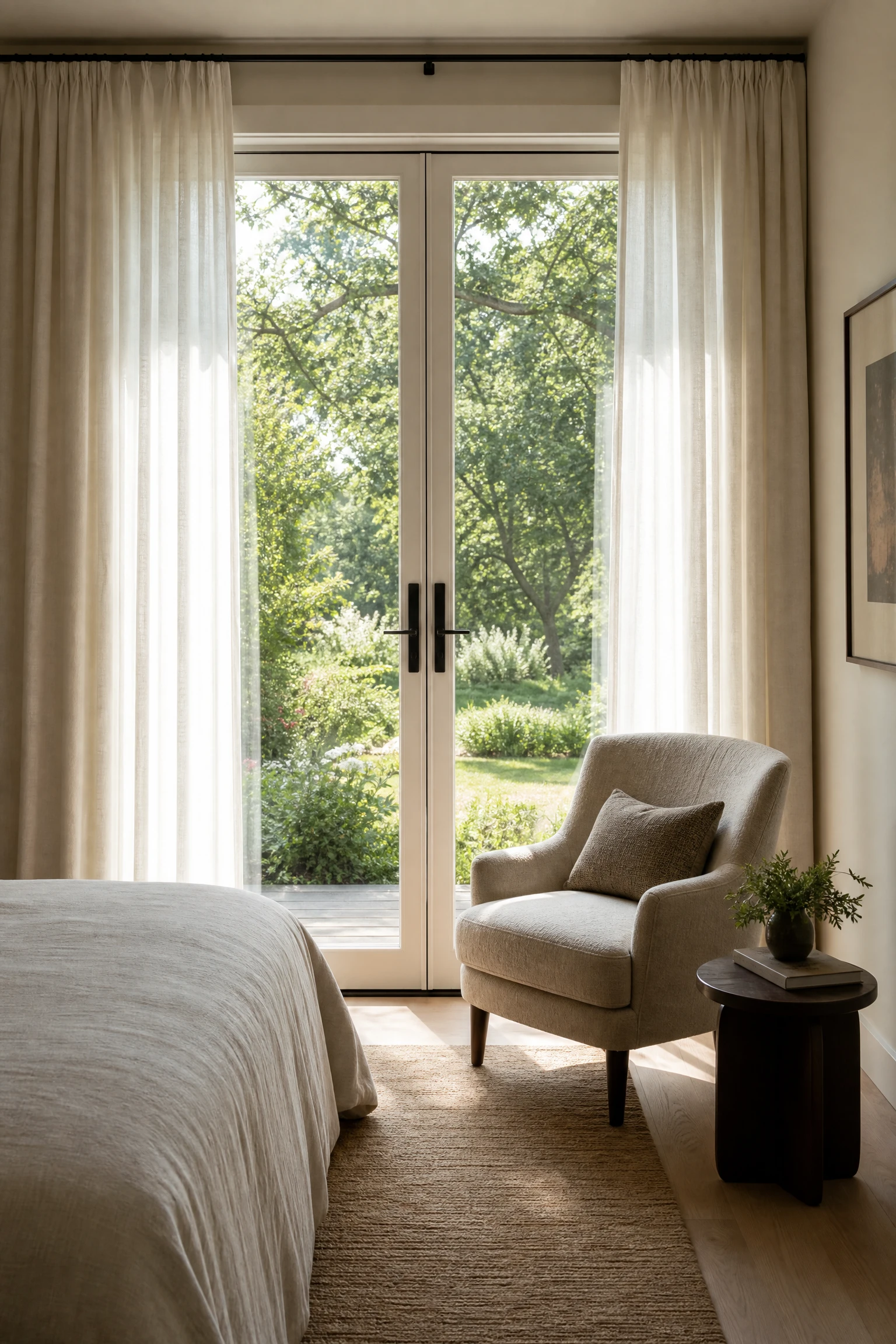
If your guest room opens onto a balcony, patio, or good window, doors or drapery that frame the view properly can be the best feature in the whole room. Keep window treatments simple, a floor length linen curtain in white or a soft neutral, so the view stays the focal point. Keep furniture low profile near the window so nothing blocks the sightline from the bed. A small reading chair positioned toward the view gives guests a reason to linger during the day. This depends entirely on your home’s layout, so it only applies to some rooms, but where it does, it is worth designing around it.
Designer Tip: Avoid heavy curtain rods near a good window, a slim, low profile rod keeps the eye moving straight through to the view.
Budget-Friendly and Quick Refresh Ideas
Personal Touches on a Small Budget
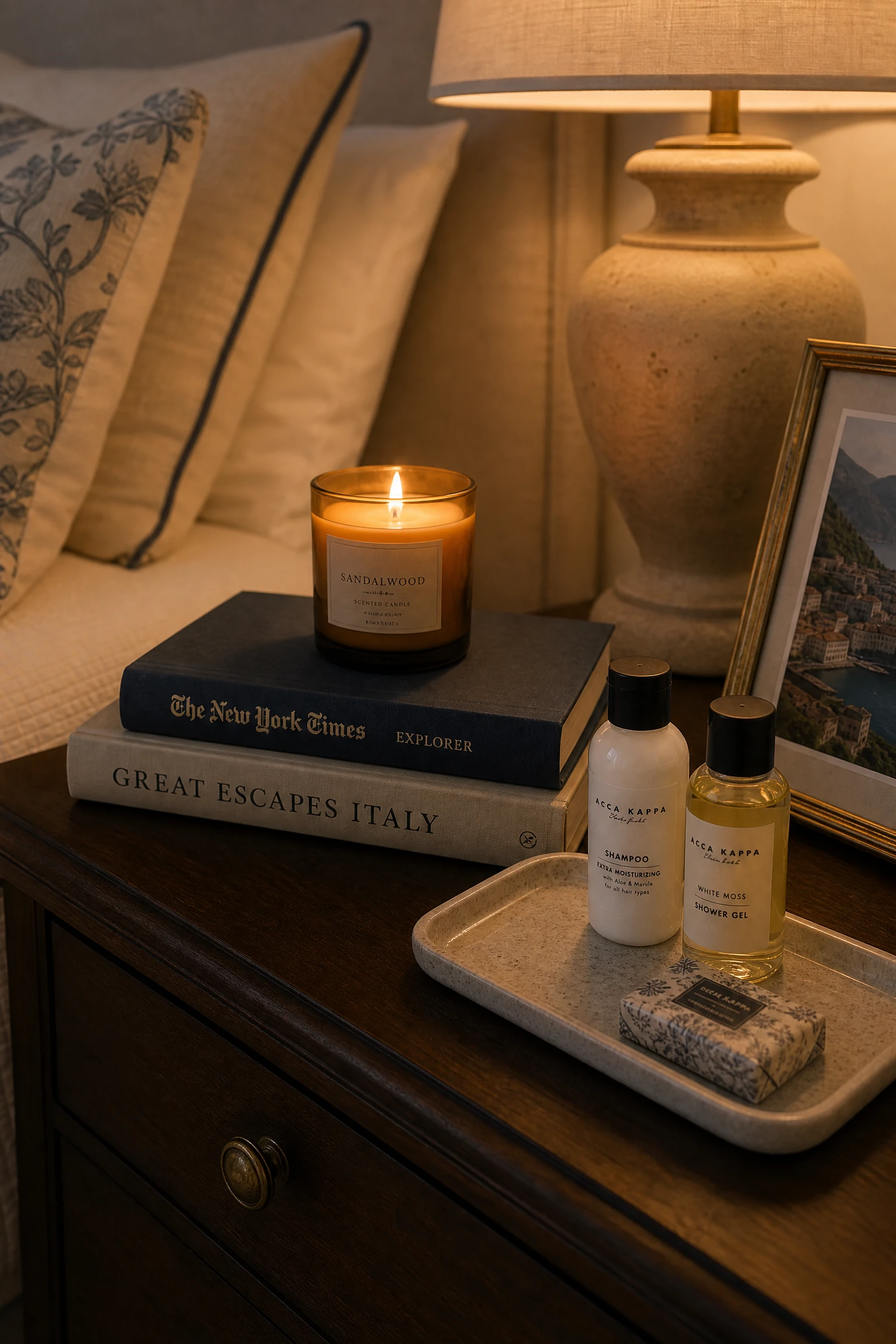
Some of the most memorable guest rooms are not expensive, they are just thoughtful. A small stack of books chosen for the guest, a candle, and a couple of travel-sized toiletries cost very little but signal real care. A framed photo or small memento adds something a hotel room cannot replicate. None of this requires new furniture or paint, making it one of the fastest updates here. It works best for guests you know well, since overly personal decor can feel presumptuous for someone staying for the first time.
Designer Tip: Keep a small basket stocked with a phone charger, spare toothbrush, and basic toiletries so you can refresh the personal touches quickly before each guest.
Smart Lighting and USB Charging Upgrades
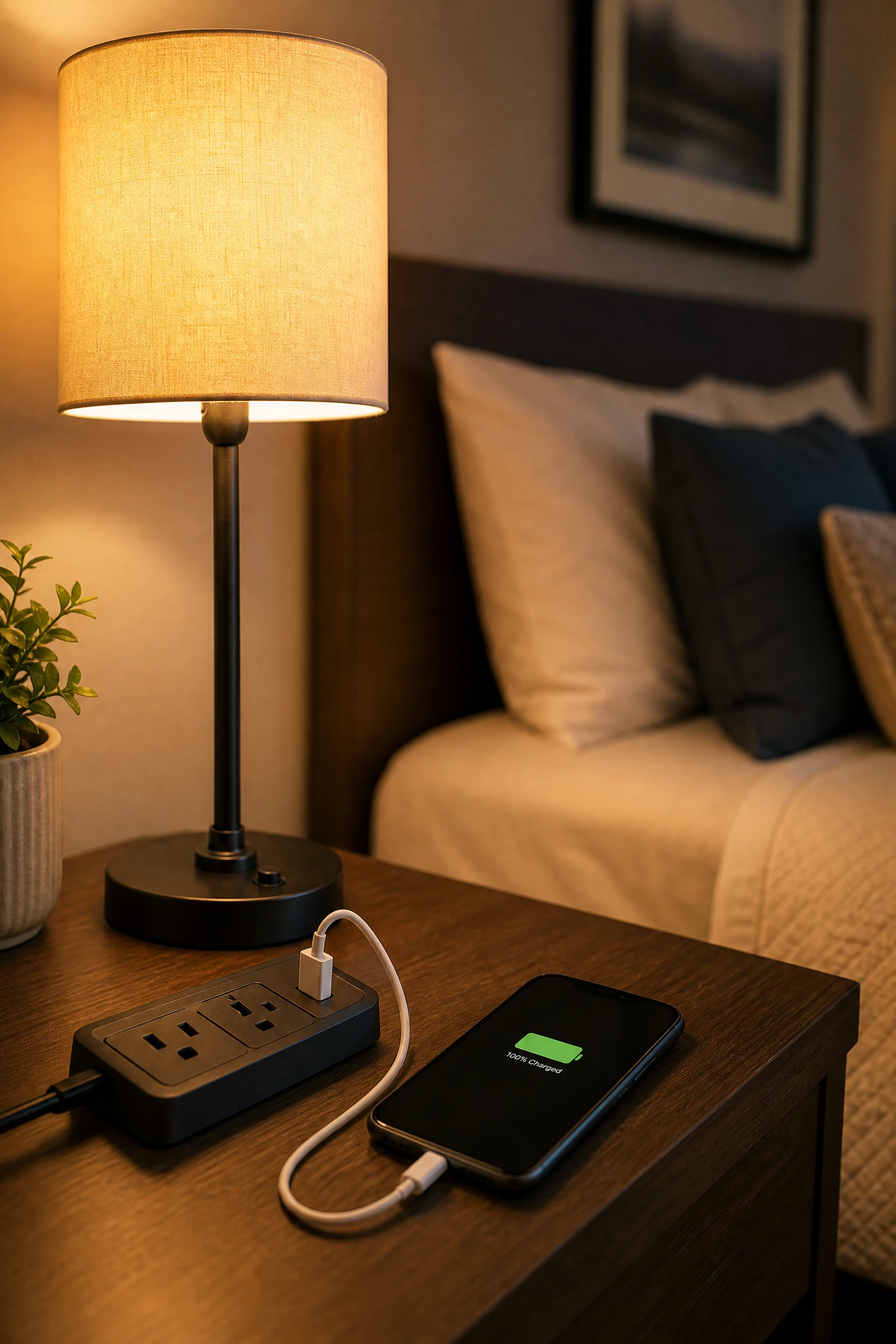
A guest room does not need a renovation to feel more thoughtful, sometimes it just needs better outlets. A power strip with USB ports on each nightstand solves one of the most common small frustrations of staying somewhere new, hunting for an outlet in the dark. Smart bulbs with a dimmer, controlled through an app or a physical switch, let guests set their own mood lighting. This upgrade often costs less than fifty dollars total and needs no repainting or new furniture. Smart bulbs tied to home wifi can be a hassle for a guest staying only a night or two, so a simple plug-in dimmer lamp is often more practical.
Designer Tip: Leave a printed note with the wifi password and a quick line on using any smart lighting, since guests rarely bother figuring out a feature on their own.
Sustainable and Eco-Friendly Refresh
Refreshing a guest room with sustainability in mind does not have to cost more, sometimes it costs less. Organic cotton or linen bedding, LED bulbs, and secondhand furniture from a local shop all fit this approach without sacrificing style. Donating an old, worn piece rather than storing it in a garage keeps the room current while keeping the process affordable. A jute or wool rug ages better over time than synthetic in a room that sees moderate use. This appeals to guests who notice these choices, though the impact of one refresh is modest on its own, so it works best as part of a broader habit rather than a selling point.
Designer Tip: Check local secondhand shops before buying new for a guest room nightstand, since a well-made vintage find works just as well as something brand new for a room used only occasionally.
Final Thoughts
A guest room does not need to be the most expensive room in the house to be the most appreciated one. What makes visitors comfortable is a bed that is genuinely comfortable to sleep in, lighting that does not feel harsh at ten at night, and a few small signs that someone thought about what they might need before arriving. Whether you lean toward a calm neutral palette, a bolder color, a clever multi-purpose setup, or a natural, textured room, the ideas that work best match how the room actually gets used rather than how it looks in a single photo.
If starting from scratch, pick one category that matches your space and budget rather than blending all of them into one room. A small guest room benefits most from the multi-functional ideas here, while a dedicated guest suite has more room to lean into a fuller statement like custom cabinetry or a monochrome palette. Either way, good bedding, warm lighting, and a couple of personal touches tend to matter more to an actual guest than any single big design choice, so it is worth spending time and budget there even if the rest of the room stays simple.
Frequently Asked Questions
What colors work best in a small guest bedroom?
Light, warm neutrals like soft white, warm gray, and pale beige work best because they keep the space feeling open. If you want more color, choose one soft accent, like a pastel or muted terracotta, rather than a full dark palette, since dark colors can make a small room feel more compact without the right lighting to balance it.
How much should I spend on a guest bedroom?
This depends on how often the room gets used and whether it doubles as another space. For a dedicated guest suite used regularly, investment pieces like a quality mattress make sense. For a spare room used a few times a year, bedding, lighting, and personal touches have more impact per dollar than new furniture.
What is the most important thing to prioritize in a guest room?
A comfortable mattress and good bedding matter more than almost anything else here. A guest forgives a room that is not perfectly styled far more easily than one that is too hot, too cold, or too bright at night.
Can a guest bedroom double as a home office?
Yes, one of the most common real-world needs for a spare room. A murphy bed, a daybed, or a quality fold-out sofa all let a room function as an office most of the time while still comfortably hosting a guest when needed.
How do I make a guest room feel personal without knowing exactly who will stay there?
Keep permanent decor fairly neutral and add small, swappable touches, like a stack of books, a candle, or fresh flowers, that you can change based on who is staying. This gives you flexibility without a full redecorate for every guest.
What is one upgrade that makes the biggest visible difference for the least money?
Layered bedding is the best value upgrade here. A heavier duvet, a folded throw, and a couple of extra pillows cost relatively little and make the bed look noticeably more finished than new furniture or paint would.