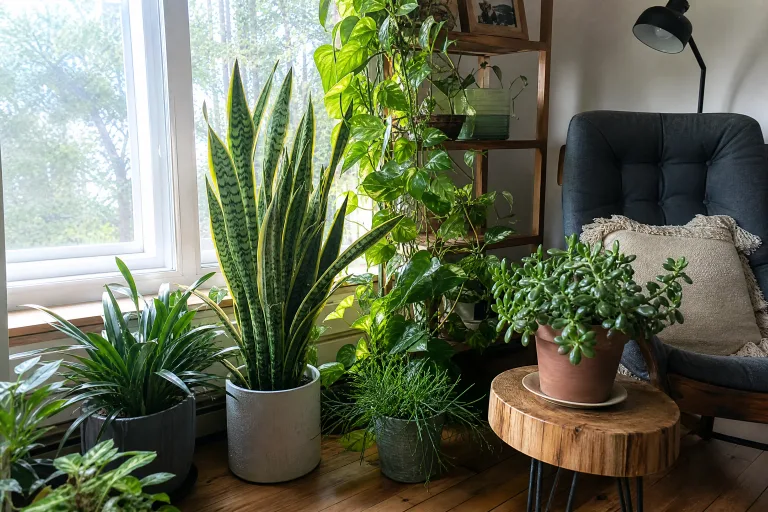
Sage Green Bedroom Ideas That Create a Calm and Relaxing Atmosphere
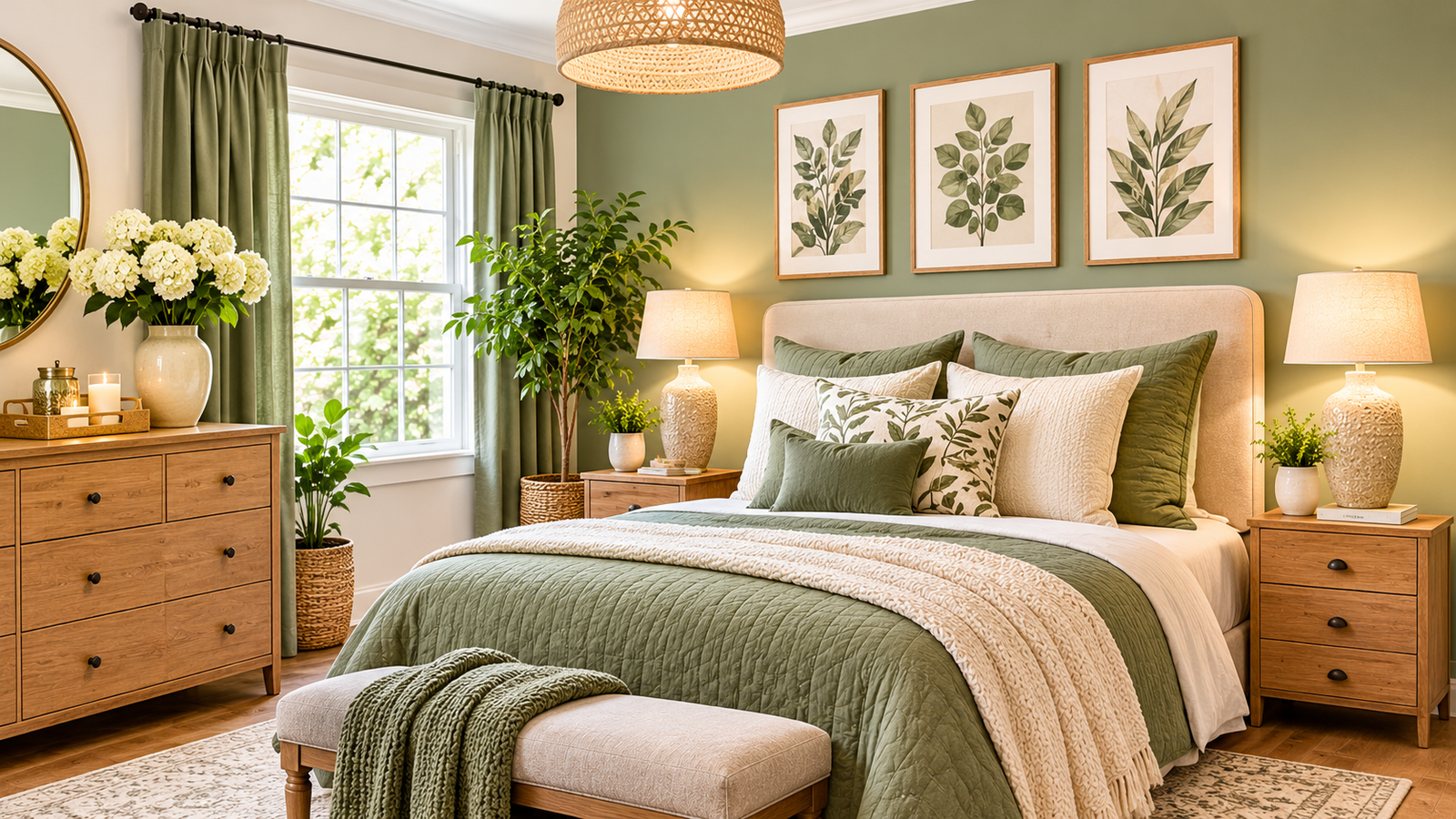
There is something about walking into a bedroom that feels settled. The bed is comfortable, the lighting is soft, nothing looks too busy, and the colors seem to work together without demanding attention. You might not notice exactly why the room feels good, but you can tell that it is a place where you can slow down.
That is one reason sage green has become such a popular bedroom color. It has a gentle connection to nature, but it is usually softer and easier to live with than a strong grass green or a deep forest shade. Depending on the lighting and the colors around it, sage can look warm and earthy, cool and fresh, or quietly elegant.
The interesting part is that you do not need to paint every wall green or replace your bedroom furniture to use it well. A sage duvet cover, a pair of curtains, a painted bedside table, or even a few carefully chosen accessories can introduce the color without making the room feel like a themed makeover.
There is also a small detail worth remembering: not every sage green looks the same. Some shades have more gray in them, some lean toward yellow or olive, and others have a slightly blue undertone. A color that looks soft and natural on a paint card can appear surprisingly dark on a large wall, especially in a bedroom that does not receive much daylight.
The best approach is to think about the whole room rather than choosing a shade in isolation. Consider the floor, furniture, bedding, curtains, natural light, and the kind of atmosphere you want to create. When those pieces are balanced, sage green can make a bedroom feel welcoming and restful without becoming dull.
This guide explores practical ways to decorate with sage green, whether you are starting with an empty room or simply want to refresh the bedroom you already have.
1. Start by Choosing the Right Sage Green
Before buying paint, bedding, or accessories, spend a little time looking at different sage green shades. This is one of the most important decisions because the wrong undertone can make the rest of your decorating choices harder.
Sage green is not one exact color. It generally sits somewhere between green and gray, but individual shades can lean in different directions.
A pale sage may look almost like a soft neutral from across the room. A gray-green shade can feel understated and modern. A warmer sage may have a hint of yellow or olive, giving it a more natural, earthy appearance. Deeper sage shades can feel rich and cozy, although they may need lighter surroundings to keep the bedroom from looking heavy.
Pale sage for a light and airy bedroom
Pale sage is a useful choice when you want the room to feel fresh and open. It works particularly well in bedrooms with limited floor space, modest windows, or darker furniture.
You can use it on the walls and combine it with white bedding, light wood, and cream curtains. The result is gentle rather than dramatic.
One advantage of pale sage is that it does not need many decorative accessories to look complete. A simple bed, a natural-texture rug, and a couple of framed prints may be enough.
However, very pale shades can sometimes look almost gray or washed out. If you want the green to remain visible, compare samples in the actual room rather than relying on how they appear on a screen.
Gray sage for a subtle, modern look
Gray sage is a good option if you prefer a quiet color scheme. It sits comfortably beside white, charcoal, beige, natural wood, and muted black accents.
This shade can be especially useful when the bedroom already has several different materials or finishes. Instead of introducing another strong color, gray sage gives the room a little character while keeping the overall look restrained.
It can also work with contemporary furniture, simple bedside lamps, plain curtains, and uncluttered wall decor.
The main thing to watch is the amount of gray in the room. If the walls, bedding, curtains, and furniture are all cool gray, the bedroom may begin to feel flat. Bring in warmth through wood, cream fabrics, woven baskets, or a warmer bedside light.
Warm sage for a cozy atmosphere
Warm sage has a slightly earthy quality. It pairs naturally with oak, walnut, tan, oatmeal, ivory, and muted terracotta.
This is often a comfortable direction if you like bedrooms that feel relaxed rather than crisp and minimal. It can also make older wooden furniture feel more at home in a refreshed color scheme.
Try warm sage with a cream quilt, a natural wood bed frame, and linen-look curtains. You do not need every accessory to match. In fact, a few slightly different natural tones usually make the room feel more considered.
Deep sage for a richer bedroom
Deep sage can create a more intimate look, particularly when used behind the bed or on a single feature wall. It can be beautiful with warm white bedding, brass-colored details, dark wood, and soft lighting.
It does require a little more planning. In a small bedroom with one narrow window, painting every wall a deep green may make the space feel smaller than you intended.
If you like a darker shade, start with one wall or use it in smaller areas. You can also balance it with a pale ceiling, light bedding, and curtains that do not block too much daylight.
Test samples before committing
A paint sample is a small expense compared with repainting an entire room. If possible, test two or three shades rather than choosing the first one that looks attractive.
Paint sample cards or sample pots are useful, but do not judge a color only under the store’s lighting. Place a sample on more than one wall and look at it:
- In the morning, when daylight may be cooler.
- Around midday, when the room may receive its strongest natural light.
- In the late afternoon, when sunlight can become warmer.
- In the evening, with the lamps you normally use.
If you are using a digital room planner or a paint company’s online visualizer, treat it as a starting point. Phone and computer screens do not reproduce paint colors perfectly.
A shade that looks beautifully muted in a product photograph may look noticeably bluer or darker in your own bedroom. Testing it in the room is the safer way to decide.
2. Create a Sage Green Feature Wall Behind the Bed
A feature wall is one of the easiest ways to introduce sage green without changing the entire bedroom. The wall behind the headboard is often a natural place to use it because it gives the bed a clear visual background.
This approach is particularly useful if you are unsure about committing to green on all four walls.
A soft sage feature wall can make a plain bed feel more finished. It also gives you a color to repeat in smaller details around the room.
Keep the other walls simple
If the wall behind the bed is sage, the remaining walls can stay warm white, soft ivory, or a very light neutral. This creates contrast without making the room feel disconnected.
Pure bright white can work, but it may look a little sharp beside a warm sage. A slightly creamy white often creates a softer transition.
You can use the same neutral on the ceiling or trim if you want a more continuous appearance. The exact finish and color will depend on the existing surfaces and the amount of natural light.
Make the bed the main feature
A sage wall looks best when the bed feels connected to it.
For example, a cream upholstered headboard against a muted sage wall creates a gentle contrast. A light oak bed frame adds warmth. A darker wooden headboard can make the green feel richer, especially when the bedding is light.
If your bed already has a strong color or pattern, keep the wall shade relatively restrained. The aim is to make the room feel coordinated, not to make every surface compete for attention.
Add simple wall decor
A feature wall does not always need artwork. Sometimes the headboard, bedside lamps, and bedding provide enough visual interest.
If you do want wall decor, consider:
- One medium or large framed print.
- A pair of simple botanical illustrations.
- A quiet landscape image.
- A small arrangement of framed photographs.
- A wall-mounted reading light on each side of the bed.
Avoid placing too many small decorations above the headboard. A crowded arrangement can make the wall feel busy, which works against the calm atmosphere you are trying to create.
When a feature wall may not be the best option
A feature wall is not automatically the right solution for every bedroom. If the bed is positioned against a different wall because of doors, windows, or room layout, choose the wall that naturally anchors the furniture.
You should also consider existing architectural details. A wall with several doors, built-in cupboards, or large windows may not provide a clean area for a feature color.
In that situation, sage bedding, curtains, or furniture may be easier to use.
3. Use Sage Green Bedding for an Easy Bedroom Refresh
If you are not ready to paint, bedding is one of the simplest ways to bring sage green into the bedroom.
A duvet cover or comforter takes up a large area, so it can change the appearance of the room quite noticeably. It is also easier to replace than wall paint if you decide that the shade is not quite right.
Sage bedding can look soft and relaxed with white walls, warm wood, cream rugs, and neutral curtains.
Choose the right shade for your existing room
Look at the colors you already have before choosing bedding.
If your walls are warm white and your floor is honey-colored wood, a warm or neutral sage may fit naturally. If your room has cool gray walls and silver-toned furniture, a gray sage may feel more connected.
If the room already contains several strong colors, choose a quieter sage rather than adding another bold shade.
Combine plain bedding with textured layers
A bedroom does not need complicated patterns to look interesting. Texture can do much of the work.
Consider layering:
- A sage duvet cover.
- White or ivory pillowcases.
- A cream knitted throw.
- One or two textured cushions.
- A lightweight quilt folded across the foot of the bed.
The materials do not need to be identical. Cotton, linen, knitted fabrics, and quilted textures can sit together comfortably when the colors are related.
The key is to avoid adding so many cushions and blankets that the bed becomes difficult to use. A bedroom should look inviting, but it should also be practical when you are tired and ready to sleep.
Try a two-color bedding combination
If a full sage bedding set feels like too much, use it with a neutral.
Sage and white is a fresh combination. Sage and cream feels warmer. Sage and beige has a natural, earthy quality. Sage and charcoal can look more contemporary, although it may need a lighter throw or pillowcase to keep the bed from appearing too dark.
You can also use sage on the duvet and keep the sheets white. This creates a layered look without requiring a large number of accessories.
Pay attention to fabric care
Before buying bedding, check the care instructions. A color may look beautiful, but the practical side matters too.
If you wash bedding frequently, choose a fabric that suits your normal laundry routine. Follow the manufacturer’s washing instructions and avoid assuming that every green fabric will keep exactly the same appearance over time.
If you are buying online, look at customer photographs where available. Product images can be heavily lit or edited, so real-room photographs may give you a more useful idea of the shade and texture.
4. Pair Sage Green with Warm White and Cream
Sage green and warm white are a reliable combination for a bedroom that feels calm without becoming overly colorful.
White helps the green remain visible, while cream softens the contrast. Using both can make the room feel more layered than decorating with one shade of white everywhere.
For example, you might use sage walls, ivory bedding, white ceiling trim, and cream curtains. Each color has a slightly different job, but the room still feels connected.
Why warm neutrals work so well
Some sage shades have a gray undertone. When they are surrounded by very cool white, the whole room can feel a little chilly.
Warm white and cream introduce a softer quality. They also work well with common bedroom materials such as wood, cotton, linen, wool, and woven fibers.
This does not mean you must avoid cool white. If your room receives plenty of warm sunlight or has warm wooden flooring, a crisp white may look perfectly balanced. The best choice depends on the existing finishes.
Use more than one neutral
A room can feel flat if every neutral is exactly the same shade.
Try combining ivory, oatmeal, beige, and soft white in small amounts. For instance, use ivory sheets, a beige rug, and warm white curtains.
These differences are subtle, but they help the room feel more natural.
Keep the palette under control
A simple color plan can prevent unnecessary shopping.
Choose one main sage shade, one light neutral, and one warm supporting color. Add a darker accent only if the room needs it.
You might use:
- Main color: muted sage.
- Light neutral: warm white.
- Supporting color: oatmeal beige.
- Small accent: natural walnut.
Once you have those colors, use them as a guide when choosing new items. You do not need to buy everything at once.
5. Bring in Natural Wood for Warmth
Sage green and natural wood work together because both have an earthy appearance. Wood adds warmth and texture, while sage provides a soft color that is not too demanding.
This combination can suit many bedroom styles, from simple modern rooms to relaxed cottage-inspired spaces.
Choose wood tones that complement the sage
Light oak, ash, and pale natural finishes can make a bedroom feel airy. They are useful when you want the room to stay bright and uncomplicated.
Medium oak and walnut add more depth. They can make pale sage look warmer and give a bedroom a slightly richer appearance.
Dark wood can also work, but use it thoughtfully. If the bed, wardrobe, bedside tables, and flooring are all dark, the room may need more light-colored bedding and wall space.
Start with the furniture you already own
There is no need to replace a perfectly usable bed or bedside table just because you are changing the color scheme.
If your existing furniture is wood, look at its undertone. A warm wood finish may work naturally with warm sage. A cooler or gray-washed finish may suit a gray sage better.
If the finishes do not match exactly, that is not necessarily a problem. A bedroom can include more than one wood tone. Try to repeat each tone somewhere else so the differences look intentional.
Add wood through small accessories
If your main furniture is painted or upholstered, you can still introduce wood through smaller details:
- A wooden bedside tray.
- A simple picture frame.
- A small stool.
- A wooden lamp base.
- A decorative bowl.
- A narrow floating shelf.
These pieces add warmth without requiring a major furniture purchase.
Avoid matching every wooden item
A bedroom can look overly coordinated if the bed, bedside tables, dresser, mirror frame, and accessories all come from one matching set.
A little variation often makes the room feel more personal. Keep the finishes within a related range, but allow some differences in shape and texture.
For example, a light oak bed can work with a slightly darker bedside table and a natural woven basket. The room does not need to look as though every item was purchased together.
6. Use Sage Green Curtains to Soften the Room
Curtains are another useful way to introduce sage green. They add color at eye level, soften the window, and can make a bedroom feel more complete.
The right curtains can also help control daylight and provide privacy, which are important practical considerations in a bedroom.
Choose between light and heavier fabrics
Lightweight curtains can create a soft, airy appearance. They are useful when you want daylight to filter through the room.
Heavier curtains can provide more privacy and help reduce unwanted light. Depending on the fabric and construction, some may also help with drafts or sound, although they should not be treated as a complete substitute for proper insulation or window treatments designed for that purpose.
If you need a dark room for sleeping, consider a separate blackout lining or a suitable blackout curtain rather than expecting a decorative sage fabric to block all light.
Decide whether the curtains should blend in or stand out
If the walls are sage, cream or warm white curtains can keep the room from becoming too green.
If the walls are neutral, sage curtains can become a gentle accent.
You can also use curtains that are a little lighter or darker than the wall color. This creates depth without introducing an unrelated shade.
Hang curtains thoughtfully
Curtain placement can affect how the room looks.
Where the window and wall structure allow it, hanging the curtain rod slightly higher than the window frame can make the window area feel taller. Extending the rod beyond the sides of the window can also help the curtains sit away from the glass when open.
Measure carefully before buying. Check the width, drop, fixing position, and whether the curtains will clear nearby furniture or radiators.
A beautiful fabric will not solve a poor fit. Curtains that are too short or too narrow can make an otherwise well-decorated bedroom look unfinished.
Do not forget the practical side
Think about how you use the window. Do you open it often? Is there a radiator underneath? Do you need privacy from nearby buildings? Does strong morning sunlight reach the bed?
These questions should guide the fabric and curtain style.
A bedroom should look attractive, but its window treatments also need to work with everyday routines.
7. Add Sage Green Through an Upholstered Headboard
An upholstered headboard is a more substantial way to introduce sage green without painting the walls.
It can make the bed feel like the main feature of the room, especially when the walls are warm white or beige.
A sage fabric headboard can look particularly attractive with cream bedding, light wood furniture, and simple bedside lighting.
Choose a shape that suits the room
A straight rectangular headboard usually gives a clean, simple appearance. A gently curved design can soften the room. A taller headboard creates more visual presence, while a shorter one may suit a small bedroom where you want to keep the wall feeling open.
The right shape depends on the bed size, ceiling height, furniture, and personal preference.
Consider fabric before color alone
Velvet can give sage green a deeper, richer appearance. Linen-look fabric may feel more relaxed. Textured woven upholstery can make the headboard interesting without relying on a strong color difference.
If the headboard is likely to receive regular contact, check how easy the fabric is to clean. Dust, hair, and everyday marks can be more noticeable on some materials than others.
Keep the surrounding decor simple
A colored headboard already provides a strong visual element. You may not need a large feature wall behind it.
Try plain walls, neutral bedding, and a pair of uncomplicated bedside tables. If you want artwork, choose something that complements the headboard rather than competing with it.
8. Make a Small Bedroom Feel More Open with Sage Green
Sage green can work beautifully in a small bedroom, but the way you use it matters.
A small room does not automatically need to be white. Pale and muted greens can add personality while remaining gentle enough for a compact space.
The important thing is to avoid making every surface compete for attention.
Use a lighter shade on the walls
A pale sage or soft gray-green can be a comfortable choice for a small bedroom. Pair it with light bedding, simple curtains, and furniture that does not visually overwhelm the room.
If the room has very little daylight, test the color carefully. A shade that looks pale in a bright showroom may appear noticeably darker in a north-facing or shaded room.
Keep the floor visible
Furniture with visible legs can make the floor easier to see beneath the bed and bedside tables. This can create a lighter visual impression than bulky furniture that sits directly on the floor.
You do not need to replace everything. If your current furniture is practical, focus on reducing clutter and keeping the main walking paths clear.
Choose bedside storage carefully
In a small bedroom, oversized bedside tables can take up valuable space.
A narrow table, wall-mounted shelf, or compact drawer unit may provide enough room for a lamp, phone, book, and a few essentials.
Try not to fill every empty corner with a storage basket or decorative object. A little breathing room can make a small bedroom feel more comfortable.
Use mirrors where they are useful
A mirror can reflect daylight and make the room feel more open. A full-length mirror on a wardrobe door or a simple wall mirror may be enough.
Think about what the mirror reflects. It is more helpful when it reflects a window or a visually calm part of the room than when it faces a cluttered corner.
Keep patterns simple
Patterns are not forbidden in small rooms, but too many different ones can make the space feel busy.
If your duvet has a noticeable pattern, use simpler curtains and cushions. If the bedding is plain, a patterned rug or a small print can add interest.
The goal is not to remove personality. It is to give each pattern enough space to be appreciated.
9. Combine Sage Green with Beige for a Warm, Relaxed Look
Beige and sage green make a natural pairing. Beige brings warmth, while sage adds color without becoming too strong.
This combination is useful if you want a bedroom that feels soft and welcoming rather than bright and sharply contrasted.
Use beige as the supporting color
You could paint the walls sage and use beige in the rug, curtains, throw, or upholstered furniture.
Alternatively, keep the walls warm white and use a beige bedspread with sage cushions and a sage accent chair.
The exact arrangement does not matter as much as keeping the colors balanced.
Mix different beige tones
Beige can range from pale sand to deeper camel. Using a few related shades can make the room feel layered.
For example, combine oatmeal bedding, a sandy beige rug, and a slightly deeper tan cushion. Add sage in one or two larger pieces.
Avoid buying several items simply because their online descriptions all call them beige. Different products may have pink, yellow, gray, or orange undertones. Compare them in the room if possible.
Add texture instead of more color
If the palette feels too plain, bring in texture through a woven rug, quilted coverlet, linen-look curtains, or knitted throw.
You can create interest without adding another strong accent color.
10. Use Terracotta and Rust as Small Accents
Sage green does not have to be paired only with white and beige. A small amount of terracotta, rust, or muted clay can add warmth.
These colors sit comfortably beside earthy green because they provide a contrast without looking excessively bright.
The trick is to use them in controlled amounts.
Start with small accessories
Try a rust-colored cushion, a clay-toned vase, a warm artwork detail, or a small patterned throw.
You do not need all of these items. One or two accents may be enough.
If you use too much terracotta alongside a strong sage, the bedroom may start to feel more colorful than relaxing. Keep the larger surfaces neutral and let the accent color appear in smaller details.
Repeat the accent once or twice
A single rust cushion can look disconnected if there is no other warm tone in the room.
Repeat the color in a small artwork detail, a bedside accessory, or a throw. The repetition helps the palette feel intentional.
Choose muted shades
Deep burnt orange, dusty clay, and muted rust are usually easier to combine with sage than very bright orange.
Look at the colors together before buying. The aim is a warm, balanced bedroom, not a collection of unrelated accent pieces.
11. Layer Lighting for a Softer Bedroom Atmosphere
Color is only part of the bedroom experience. Lighting can change how sage green looks and how comfortable the room feels in the evening.
A shade that appears fresh in daylight may look darker under a single overhead light. Likewise, a cool bulb can make warm sage look less inviting.
Instead of depending on one ceiling fixture, consider using a few sources of light for different tasks.
Use bedside lamps for everyday comfort
Bedside lamps are useful for reading, getting ready for bed, or moving around without turning on the main light.
Choose a lamp that fits the scale of the bedside table. A very large lamp can overwhelm a small table, while a tiny lamp may not provide enough light for reading.
If you read in bed, check the direction and brightness of the light. A decorative lamp may look attractive but still be poorly suited to the task.
Consider warm-toned bulbs
Many people prefer warm-toned lighting in the evening because it creates a softer visual atmosphere.
Check the bulb packaging for its color temperature, usually shown in Kelvin. Lower Kelvin numbers generally indicate warmer-looking light, while higher numbers look cooler.
The best setting depends on how you use the room. A warm bulb may suit relaxing in the evening, while a brighter or more neutral light can be useful when getting dressed or cleaning.
Add a second light source
If the bedroom has a dark corner, a floor lamp or small table lamp may help make the room feel more evenly lit.
You can also use a wall light if the wiring and wall structure allow it. If you are installing a new electrical fitting, use a qualified professional where required rather than attempting work beyond your experience.
Do not rely only on decorative lights
Fairy lights and small accent lamps can look attractive, but they should not be the only lighting in a bedroom.
You still need enough practical light for everyday activities. A balanced arrangement might include a ceiling fixture, bedside lamps, and one additional light source if the layout needs it.
Check how lighting changes the paint color
Before finalizing your wall shade, look at the sample under the bulbs you plan to use.
Some artificial lights make green look more yellow, while others make it appear cooler or grayer. This is another reason to test paint in the actual room.
12. Add Natural Textures Without Making the Room Feel Cluttered
A calm bedroom does not have to be empty or plain. Natural textures can make it feel comfortable and lived-in without adding lots of color.
Sage green works particularly well with materials such as cotton, linen, wool, jute, rattan, and wood.
Use a textured rug
A rug can help define the bed area and make the room feel more complete.
A natural beige rug works well with sage walls. A cream rug can brighten a darker floor. A subtle pattern can add interest if the bedding and curtains are plain.
Before buying, measure the available floor space. A rug that is too small can look disconnected from the bed, while one that is too large may interfere with doors or storage.
Think about how much of the rug you want visible around the bed and whether you need space for bedside tables.
Add a knitted or woven throw
A throw at the foot of the bed adds texture and can be useful on cooler evenings.
Choose a fabric that feels comfortable and is easy enough to care for. A chunky knit can look cozy, while a lightweight woven throw gives a less bulky appearance.
Fold it loosely rather than arranging it so perfectly that the bed looks unused. A relaxed finish often suits the sage palette.
Use baskets for practical storage
Woven baskets can hold spare blankets, laundry, or everyday items. They add natural texture while serving a purpose.
However, baskets should not become a place to hide unlimited clutter. Choose a size that suits what you actually need to store.
If the bedroom is small, one useful basket is often better than several decorative ones taking up floor space.
Choose texture with a purpose
Not every natural-looking accessory needs to be added. A bedroom can become cluttered when too many baskets, trays, cushions, rugs, and decorative objects are introduced at once.
Start with the items that improve comfort or solve a practical problem. Add decoration only where the room still feels unfinished.
13. Decorate with Sage Green and Black for a Modern Contrast
Sage green can also work with black, especially if you prefer a more contemporary bedroom.
Black provides definition and contrast. Used in small amounts, it can make pale sage feel more structured without overpowering the room.
Keep black to a few details
Try black picture frames, a slim lamp base, drawer handles, or a simple curtain rod.
These details can create a connection between different parts of the room.
If you use black on large surfaces, balance it with plenty of lighter colors. A black bed frame, dark floor, dark curtains, and deep sage walls may make a small bedroom feel heavy.
Mix black with natural materials
Wood and woven textures can soften the contrast between sage and black.
For example, a black bedside lamp can sit on a light oak table. A black frame can surround a botanical print. A simple black handle can add definition to a painted sage cabinet.
The result can feel modern while remaining warm.
Avoid too many competing finishes
If you use black accents, keep the number of metal finishes reasonably controlled. You can mix materials, but a room with black, chrome, brass, copper, and several different wood finishes may start to feel scattered.
Choose a main metal finish and repeat it where practical.
14. Bring in Plants for a Natural Finishing Touch
Plants can complement a sage green bedroom because they introduce another layer of natural color and texture.
A plant near a window, on a dresser, or on a shelf can make a room feel more connected to the outdoors.
You do not need a large indoor garden. One suitable plant may be enough.
Choose plants based on the room’s conditions
Do not choose a plant only because it looks attractive in a bedroom photograph. Consider the amount of daylight, temperature, available space, and how much care you can realistically provide.
Some plants need bright indirect light, while others tolerate lower-light conditions. Check the care requirements of the specific plant rather than assuming all houseplants can live comfortably in a bedroom corner.
If you have pets or small children, check whether a plant is safe to keep in your home before bringing it indoors.
Use simple pots
Neutral ceramic pots, terracotta planters, and woven-style covers can all work with sage green.
A plain pot often allows the leaves to become the main feature. If the bedroom already has patterned bedding or artwork, this simplicity can be useful.
Do not overcrowd the windowsill
A windowsill filled with plants, candles, ornaments, and storage containers can become difficult to clean and may block useful daylight.
Leave enough room for the window to function properly and for the plants to receive the conditions they need.
If you do not want to care for live plants, botanical prints or good-quality artificial greenery can provide a similar visual theme without the same maintenance.
15. Use Botanical Artwork Without Turning the Room into a Theme
Botanical artwork is a natural companion to sage green, but it is easy to overdo it.
A bedroom does not need leaf-print wallpaper, plant illustrations, green cushions, floral bedding, and several real plants all at once.
Choose one or two ways to bring in the botanical idea.
Select artwork with a restrained palette
Look for prints that include soft green, cream, beige, or muted brown. A simple leaf illustration or quiet landscape can complement the wall color without taking over.
You can also use photography of trees, gardens, or natural textures.
Think about frame color
Light wood frames can make botanical artwork feel relaxed. White frames are simple and unobtrusive. Black frames provide more contrast.
Choose a finish that connects with other details in the room.
Hang artwork at a comfortable height
Artwork should relate to the furniture beneath it. A picture above the headboard should not be placed so high that it feels disconnected from the bed.
If you are hanging several prints, arrange them on the floor first. This lets you adjust the spacing before putting holes in the wall.
Use appropriate wall fixings for the weight of the frame and the type of wall.
16. Try Sage Green on Bedroom Furniture
Painting a piece of furniture sage green can refresh the room without requiring a full wall makeover.
A bedside table, dresser, chest of drawers, or small cabinet can become a subtle feature.
This is especially useful if the bedroom already has neutral walls and you want to add color gradually.
Start with one piece
A single sage bedside table can be enough to introduce the color. If you paint every piece of furniture, the room may feel more coordinated than you intended.
Choose a piece that is in reasonable condition and that you can prepare properly.
Prepare the surface carefully
The right preparation depends on the furniture material and the paint product.
In general, check the manufacturer’s instructions, clean the surface, repair obvious damage, and use a suitable primer when required. Some finishes may need light sanding or a specialist product.
Do not skip preparation simply because the final color looks attractive. Poor preparation can lead to uneven coverage or paint that does not adhere well.
If you are unsure about the existing finish, test the product on a small, hidden area first.
Change the hardware if necessary
New handles can help an older piece of furniture feel refreshed.
Brass-colored handles can add warmth. Black handles create a modern contrast. Simple wooden knobs keep the look natural.
Measure the existing holes before buying replacements. A handle that looks right in a photograph may not fit the furniture.
Keep the rest of the room balanced
If the dresser is sage, use a few related details elsewhere, such as a cushion or artwork accent. You do not need to match every accessory exactly.
The painted furniture should look like part of the room, not an isolated project.
17. Create a Sage Green Bedroom with a Vintage Feel
Sage green can suit vintage-inspired bedrooms because it works comfortably with aged wood, traditional shapes, soft fabrics, and muted colors.
You do not need expensive antiques to create this atmosphere. A mix of older pieces, simple modern bedding, and a restrained color palette can work well.
Combine old and new furniture
An older wooden dresser can look attractive beside a simple modern bed. A vintage-style mirror can sit above a contemporary bedside table.
The contrast keeps the room from feeling like a furniture showroom.
If you already own older furniture, consider whether it can be cleaned, repaired, or reused before replacing it.
Use subtle patterns
Small floral prints, narrow stripes, and traditional woven patterns can work with sage green.
Use one noticeable pattern at a time. For example, patterned curtains can be paired with plain bedding, while a floral duvet may look better with simple curtains.
Add aged-looking details carefully
A vintage-style frame, ceramic lamp, or traditional bedside clock can provide character.
Avoid buying several distressed accessories simply to make the room look old. A few meaningful pieces are more convincing than a collection of artificial vintage finishes.
18. Create a Minimal Sage Green Bedroom
If you prefer a cleaner look, sage green can be used in a minimalist bedroom without making it feel sterile.
The main idea is to keep the number of objects low while paying attention to materials and proportions.
Choose a simple color palette
Use sage, warm white, and one natural material such as oak or walnut.
You can introduce a darker accent through a lamp or frame, but keep it limited.
Prioritize useful furniture
A bed, bedside surface, wardrobe, and perhaps a small dresser may be all the room needs.
Choose furniture based on the space available and how you use it. A bedroom with limited storage may benefit more from a practical chest of drawers than from an extra decorative chair.
Leave some surfaces clear
A bedside table does not need to hold a large collection of accessories.
Keep the items you use regularly within reach, such as a lamp, book, phone, or water glass. Store less frequently used items elsewhere.
Use texture to prevent a flat appearance
Minimal does not have to mean plain. A textured quilt, natural wood, woven rug, or linen-look curtain can add depth while keeping the room uncluttered.
19. Make Sage Green Work in a Dark Bedroom
A bedroom with limited natural light needs a little more care when choosing green.
Some sage shades can look beautiful in a bright room but become dull or muddy in a space that receives little daylight.
This does not mean you have to avoid the color. It means you should test it carefully and think about the rest of the room.
Test a lighter, balanced shade
Start with a pale or medium sage that does not look too gray or too dark in the room.
Place samples on different walls because the light may vary across the space.
If the room is consistently dim, compare sage with a warm off-white or a light neutral green. You may find that using green in bedding or accessories gives you the look you want without darkening the walls.
Use reflective surfaces thoughtfully
Mirrors can help reflect available light. A mirror placed where it catches daylight may make the room feel brighter.
Light-colored furniture and bedding can also provide visual contrast.
Glossy surfaces reflect more light than matte ones, but too many shiny finishes may not suit a relaxed bedroom. A mix of matte fabrics and a few reflective details is often easier to live with.
Avoid blocking the window
Heavy furniture placed directly in front of a window can reduce the amount of daylight reaching the room.
Where possible, keep the window area open and choose curtains that can be pulled fully aside.
Use more than one light source
A ceiling light may leave corners looking dark. Bedside lamps and a floor or wall light can make the room feel more evenly lit.
Check the brightness and color temperature of the bulbs. A warm atmosphere is useful, but the room still needs enough light for ordinary tasks.
20. Sage Green Bedroom Ideas for a Shared Bedroom
A shared bedroom needs to work for more than one person’s preferences and routines.
Sage green can be a useful middle ground because it is generally softer than a strong color and can be combined with a wide range of neutrals.
Choose a shared palette
Instead of trying to make every detail match each person’s taste, agree on a basic palette.
Sage, cream, and natural wood provide a starting point. One person may prefer darker accents, while the other may prefer lighter fabrics. Those preferences can appear in smaller accessories.
Give each bedside area a little independence
If the room has two bedside tables, they do not need to be identical.
You can use the same general finish but different lamps, books, or small accessories. This creates a connected look without making both sides feel exactly the same.
Plan storage around daily routines
Shared rooms often become cluttered when there is no clear place for everyday belongings.
Make sure each person has practical storage for clothes, accessories, and personal items. A beautiful color scheme cannot compensate for a room that does not function well.
Keep the main surfaces calm
The bed and largest furniture pieces usually have the greatest effect on the overall appearance.
Keep those areas within the shared palette, then allow personal details to appear in smaller spaces.
21. Sage Green Bedroom Ideas on a Budget
A bedroom refresh does not have to involve buying new furniture, repainting every wall, or ordering a complete matching set.
You can make a noticeable change by focusing on the items that cover the largest areas or have the biggest effect on the room.
Begin with a quick room review
Before shopping, look at what you already own.
Ask yourself:
- Is the bed frame in good condition?
- Can the current bedding work with sage accessories?
- Are the curtains still useful?
- Does the room need more storage, or does it mainly need less clutter?
- Would a new lamp make the room more comfortable?
- Is there artwork that could be moved from another room?
This prevents unnecessary purchases.
Change the bedding first
A sage duvet cover or a pair of pillowcases can introduce the color without changing the walls.
If your current bedding is neutral, you may only need a small sage throw or cushion.
Reuse furniture
Clean existing furniture and consider small updates such as new handles, a different lamp, or a new arrangement.
If you plan to paint a piece, calculate the cost of primer, paint, preparation materials, and hardware before deciding whether it is worthwhile.
Shop slowly
There is no need to buy every item in one weekend.
Start with one larger change, live with it for a little while, and then decide what the room still needs.
This approach can help you avoid buying accessories that look attractive individually but do not work together.
Look for useful secondhand pieces
Secondhand furniture can be a practical option, especially for bedside tables, small dressers, mirrors, and wooden chairs.
Inspect items carefully for damage, stability, odors, and signs of pests. Check measurements before bringing anything home.
A secondhand piece does not need to match the bedroom perfectly. It simply needs to fit the space and work with the overall palette.
22. How to Decorate a Sage Green Bedroom Step by Step
If you like the idea of sage green but are unsure where to begin, follow a simple order. It is easier to make good decisions when you do not try to choose every detail at once.
Step 1: Look at the room as it is now
Take a photograph from the doorway and another from the bed.
Look at the floor, walls, furniture, window, and existing fabrics. Notice which colors are already present.
Write down the pieces you plan to keep. This gives you a realistic starting point.
Step 2: Decide how much sage you want
Choose whether sage will be:
- The main wall color.
- A feature wall.
- The bedding color.
- A curtain or upholstery color.
- A smaller accent used in accessories.
If you are uncertain, begin with bedding or a small piece of furniture. It is easier to change than a full room of paint.
Step 3: Identify the room’s lighting conditions
Notice when sunlight enters the room and which areas remain shaded.
If possible, observe the room at different times of day. This will help you decide whether a pale, gray, warm, or deeper sage is more suitable.
Step 4: Choose a supporting neutral
Pick one main neutral, such as warm white, cream, oatmeal, or beige.
This color will help balance the sage and give you a reference point for choosing bedding, curtains, and rugs.
Step 5: Check the furniture finishes
Look at the bed, bedside tables, dresser, wardrobe, and floor.
Decide whether the room would benefit from light wood, darker wood, black accents, or a mix of existing finishes.
Do not replace furniture simply because it does not match a photograph you saw online.
Step 6: Choose the largest fabric items
Bedding and curtains have a significant visual effect.
Choose these before buying lots of small accessories. If they work together, the rest of the room becomes easier to finish.
Step 7: Plan the lighting
Check whether the ceiling light is enough for everyday use.
Add bedside lighting if needed. Choose bulbs that make the room comfortable while still providing sufficient light for reading and getting dressed.
Step 8: Add texture
Introduce one or two textures through a rug, throw, cushion, or basket.
Do not buy all of them automatically. Choose the items that improve comfort or solve a practical need.
Step 9: Add personal details
Finish with artwork, photographs, a plant, or a few meaningful accessories.
Personal objects often make a bedroom feel more welcoming than generic decorations chosen only to match a color scheme.
Step 10: Live with the changes before adding more
Once the main pieces are in place, spend some time using the room.
You may discover that it already feels complete. Or you may notice that a corner needs a lamp, the bedside table needs better storage, or the curtains need a different lining.
Make those changes based on actual use rather than continuing to decorate simply because there is still an empty surface.
23. Five Sage Green Bedroom Color Schemes to Try
If you find it difficult to imagine how the colors will work together, these five combinations offer practical starting points.
Scheme 1: Sage, warm white, and light oak
<em>Best for a bright, relaxed bedroom.</em>
Use pale or medium sage on the walls, warm white bedding, and light oak furniture. Add a cream rug and simple curtains.
This combination feels fresh without being overly cool. It is also flexible if you want to change accessories later.
Scheme 2: Sage, beige, and walnut
<em>Best for a warmer, more grounded look.</em>
Choose a muted sage wall color, beige bedding, and medium or dark walnut furniture. Add a woven rug and a few cream details.
The darker wood gives the room depth, while the beige prevents the palette from feeling too heavy.
Scheme 3: Gray sage, ivory, and black
<em>Best for a simple modern bedroom.</em>
Use gray sage on one wall or through the bedding. Add ivory fabrics and a few black details in the lighting, frames, or furniture hardware.
Keep the black accents relatively small if the room is compact or does not receive much daylight.
Scheme 4: Warm sage, cream, and terracotta
<em>Best for an earthy, welcoming atmosphere.</em>
Use warm sage as the main color, cream as the supporting neutral, and terracotta in a cushion, artwork, or small decorative piece.
Natural wood and woven textures help connect the colors.
Scheme 5: Deep sage, warm white, and brass
<em>Best for a richer, more intimate bedroom.</em>
Use deep sage behind the bed, warm white bedding, and a few brass-colored details in lamps or handles.
Keep the remaining surfaces light enough to balance the darker wall. This combination can look especially attractive with warm wood furniture.
24. Common Mistakes to Avoid When Decorating with Sage Green
Sage green is a forgiving color in many ways, but a few decorating mistakes can make a bedroom feel less comfortable than expected.
Mistake 1: Choosing a shade from a photograph alone
Online photographs are useful for inspiration, but they are not reliable color samples.
Lighting, camera settings, editing, and screen brightness can all change how a shade appears.
A better approach: Test paint or fabric samples in your actual bedroom. Look at them during the day and in the evening.
Mistake 2: Using too many shades of green
Sage can look beautiful with olive, eucalyptus, forest, and other greens, but using several unrelated shades may make the room feel scattered.
A better approach: Choose one main sage and, if needed, one darker or lighter green as a supporting shade. Repeat them carefully rather than introducing every green you like.
Mistake 3: Making every item match
Matching bedding, curtains, cushions, lamps, and accessories can make the room feel overly arranged.
A better approach: Use related colors and textures instead of buying everything in the same shade. A little variation makes the room feel more natural.
Mistake 4: Forgetting the floor color
The floor is a large part of the bedroom, even though it is easy to overlook when choosing wall paint.
A cool gray floor may affect how warm sage looks. Honey-colored wood may make the same shade appear more earthy.
A better approach: Consider the floor when testing samples and choosing rugs, furniture, and bedding.
Mistake 5: Choosing a dark shade for a room with little light
Deep sage can be attractive, but it may look much heavier in a shaded bedroom.
A better approach: Test the shade first. If it feels too dark, use a lighter green on the walls and save the deeper color for bedding, furniture, or a smaller feature.
Mistake 6: Ignoring the lighting
A room with one harsh overhead light may not feel relaxing, regardless of how carefully the colors are chosen.
A better approach: Add suitable bedside lighting and check the bulb color temperature. Make sure the room still has enough practical light.
Mistake 7: Adding too many cushions and throws
A bed covered with decorative layers may look attractive in a photograph but can become inconvenient in daily life.
A better approach: Keep the layers you actually enjoy using. A duvet, a few pillows, and one throw may be enough.
Mistake 8: Buying furniture before measuring
A bedside table or chair can look small online but take up much more space than expected.
A better approach: Measure the room, doorways, and available floor area. Check product dimensions carefully before ordering.
Mistake 9: Forgetting storage
A bedroom can have a beautiful palette but still feel stressful if clothes, chargers, paperwork, and everyday items have nowhere to go.
A better approach: Plan storage as part of the decorating process. Use drawers, wardrobe organizers, and a small tray for everyday essentials.
Mistake 10: Decorating every empty wall
An empty wall is not automatically a problem. Some open space helps a bedroom feel restful.
A better approach: Add artwork where it improves the room. Do not fill every wall simply because it is available.
Mistake 11: Using only decorative lighting
A string of small lights or one attractive bedside lamp may not provide enough light for reading, cleaning, or getting dressed.
A better approach: Combine ambient lighting with task lighting. Make the room useful as well as attractive.
Mistake 12: Buying everything at once
When you buy the whole room in one shopping trip, it is easy to choose items that look good individually but do not work well together.
A better approach: Make the larger decisions first, then add smaller details gradually. Give yourself time to see how the room works.
25. How to Keep a Sage Green Bedroom Looking Fresh
Once the bedroom is decorated, keeping it comfortable does not require constant shopping or rearranging.
A few simple habits can help the room continue to look considered.
Keep bedding in good condition
Wash bedding according to its care label. Store spare sheets and blankets somewhere dry and accessible.
If you use several decorative layers, rotate them when needed rather than allowing them to collect dust at the foot of the bed.
Clean curtains and rugs as appropriate
Different fabrics need different cleaning methods. Follow the manufacturer’s care instructions and check whether a rug can be vacuumed, spot-cleaned, or professionally cleaned.
Do not assume that every fabric can be machine-washed.
Give decorative surfaces some space
Bedside tables and dressers can collect small objects surprisingly quickly.
Every so often, remove items you no longer use. Keep the useful things within reach and store the rest.
Look after plants
If you have live plants, check their watering and light requirements. Remove dead leaves and avoid leaving water sitting in decorative covers or trays.
A plant should add to the room rather than become another source of work.
Refresh small details rather than the whole room
If you want a seasonal change, switch a throw, cushion cover, or small piece of artwork.
You do not need to repaint or replace the furniture every time you want the room to feel a little different.
26. Practical Sage Green Bedroom Ideas for Different Styles
The same color can look very different depending on the furniture and accessories around it. Here are a few ways to adapt sage green to the kind of bedroom you prefer.
For a cozy cottage-style bedroom
Use warm sage walls, cream bedding, natural wood, and soft floral or striped fabrics.
A woven basket, a simple ceramic lamp, and a traditional-style frame can add character. Keep patterns limited so the room does not become too busy.
For a modern bedroom
Choose gray sage, simple furniture, plain bedding, and clean-lined lighting.
Add black or dark bronze details if you want contrast. Use a textured rug or throw to soften the straight lines.
For a Scandinavian-inspired bedroom
Try pale sage, white, light wood, and uncluttered furniture.
Keep the window treatments simple and use a few natural textures. A small plant or understated print can provide the finishing touch.
For a traditional bedroom
Warm sage can work with darker wooden furniture, cream upholstery, and classic shapes.
Consider a fabric headboard, a pair of bedside lamps, and framed artwork. You can use subtle patterns in the bedding or curtains, but avoid mixing too many at once.
For a bohemian-inspired bedroom
Combine sage with natural fibers, layered fabrics, warm wood, and a few earthy accents.
A terracotta cushion or woven pendant may add warmth. Keep the main color palette connected so the room feels collected rather than crowded.
For a hotel-inspired bedroom
Use a restrained combination of sage, ivory, and warm neutral tones.
Choose neatly layered bedding, symmetrical bedside lighting, and a simple rug. A small amount of metallic detail can add polish, but comfort should remain the priority.
27. What to Buy First: A Sensible Sage Green Bedroom Shopping Plan
If you are starting from scratch or refreshing a room gradually, it helps to prioritize purchases.
The following order can prevent you from spending money on accessories before solving the bigger issues.
First: Decide on the main color. Choose whether sage will appear on the walls, bedding, curtains, or furniture. Test samples before committing to paint.
Second: Review the bed and mattress setup. The bed is usually the largest piece in the room. Make sure it is comfortable and positioned sensibly before focusing on decoration.
Third: Choose bedding. Pick a color and fabric that work with the walls and furniture. Bedding has a large visual impact and is relatively easy to change.
Fourth: Check the curtains. Make sure they provide the privacy and light control you need. Choose the color after considering the wall and bedding shades.
Fifth: Improve bedside lighting. If the current lighting is inconvenient, address it before buying decorative objects.
Sixth: Add storage where necessary. A practical drawer unit, wardrobe organizer, or bedside table may improve daily use more than another decorative accessory.
Seventh: Add texture. Choose a rug, throw, or cushion if the room needs more warmth.
Eighth: Finish with personal details. Add artwork, a plant, photographs, or a small decorative item that has meaning to you.
This order is flexible. If the room already has excellent furniture and lighting, you can start with bedding or paint. The point is to spend on what the room actually needs.
28. Questions to Ask Before Painting Your Bedroom Sage Green
Painting a bedroom is a bigger commitment than changing a cushion cover. Before starting, consider a few practical questions.
Does the room receive much daylight? If not, test a lighter or warmer shade and check how it looks throughout the day.
What color is the floor? A warm wood floor may suit a warmer sage, while a cooler floor may work better with gray sage.
Will the existing furniture still look right? Consider the wood tones, upholstery, and metal finishes before choosing paint.
Do you want all the walls green? A feature wall may be enough if you are uncertain.
What finish is suitable? Paint finishes vary in appearance, durability, and cleanability. Check the product information and choose one suitable for the wall surface and the way the room is used.
Are you allowed to paint? If you rent, check your agreement and get permission where necessary. A removable decorating approach may be more appropriate if permanent changes are not allowed.
Can you prepare the room properly? Protect furniture and floors, prepare the walls, and follow the paint manufacturer’s instructions. For extensive repairs or unfamiliar surfaces, professional help may be worthwhile.
Taking time to answer these questions can save effort and reduce the chance of regretting the color later.
29. A Simple Weekend Sage Green Bedroom Refresh
You do not need to complete a full renovation to make a bedroom feel different. If the room is already functional, a small weekend refresh may be enough.
Before you begin
Choose a limited budget and decide which parts of the room you want to change. Make a list of the items you already own and the things you genuinely need.
Avoid starting with a long shopping list. A smaller plan is easier to finish.
Saturday morning: Clear and clean
Remove unnecessary items from the bedside tables, dresser, and floor.
Put laundry away, clean the surfaces, and vacuum the floor. If the room is cluttered, this alone may make it feel noticeably more comfortable.
Saturday afternoon: Make the main change
Change the bedding, hang the curtains, or paint a small piece of furniture.
Do one main project rather than attempting several complicated jobs at once.
If you are painting, allow enough time for preparation, drying, and ventilation according to the product instructions.
Sunday morning: Improve the layout
Check whether the bed and bedside tables are positioned conveniently.
Make sure doors and drawers can open fully and that there is enough room to walk around the furniture.
Move a lamp if the current position is inconvenient. Remove a piece of furniture if it takes up space without serving a useful purpose.
Sunday afternoon: Add the finishing touches
Arrange the bedding, add a throw if you need one, and hang artwork where it looks balanced.
Add a plant or small decorative object if the room has space for it.
Then stop and use the room. You can always make further changes later, but you do not have to fill every corner immediately.
30. The Most Important Thing Is How the Room Works for You
A bedroom can look beautiful in a photograph and still be inconvenient to use. Perhaps the bedside table is too small, the curtains let in too much light, or the decorative cushions have to be moved every night.
These practical details matter just as much as the color scheme.
Sage green is a useful decorating color because it can adapt to different styles. It can feel light and simple with white and oak, warm with beige and terracotta, or more dramatic with walnut and brass. It can appear on the walls, bedding, curtains, furniture, or small accessories.
But the best version of a sage green bedroom is not necessarily the one with the most green. It is the one where the colors, lighting, furniture, and storage work together.
If you are unsure where to start, choose one change that is easy to live with. Try sage bedding, test a paint sample, or add a small piece of sage-colored furniture. See how it looks in your room before making the next decision.
A calm bedroom does not need to be expensive or perfectly coordinated. It needs to feel comfortable, suit your routines, and give you a place where you can put the day aside for a while.
Sage green can help create that feeling when it is used thoughtfully. Keep the palette simple, bring in a little natural warmth, pay attention to lighting, and leave enough space for the room to breathe. That is often all it takes to make the bedroom feel more relaxed and personal.