
How to Layer Bedding Like a Designer Without Making Your Bed Look Overcrowded
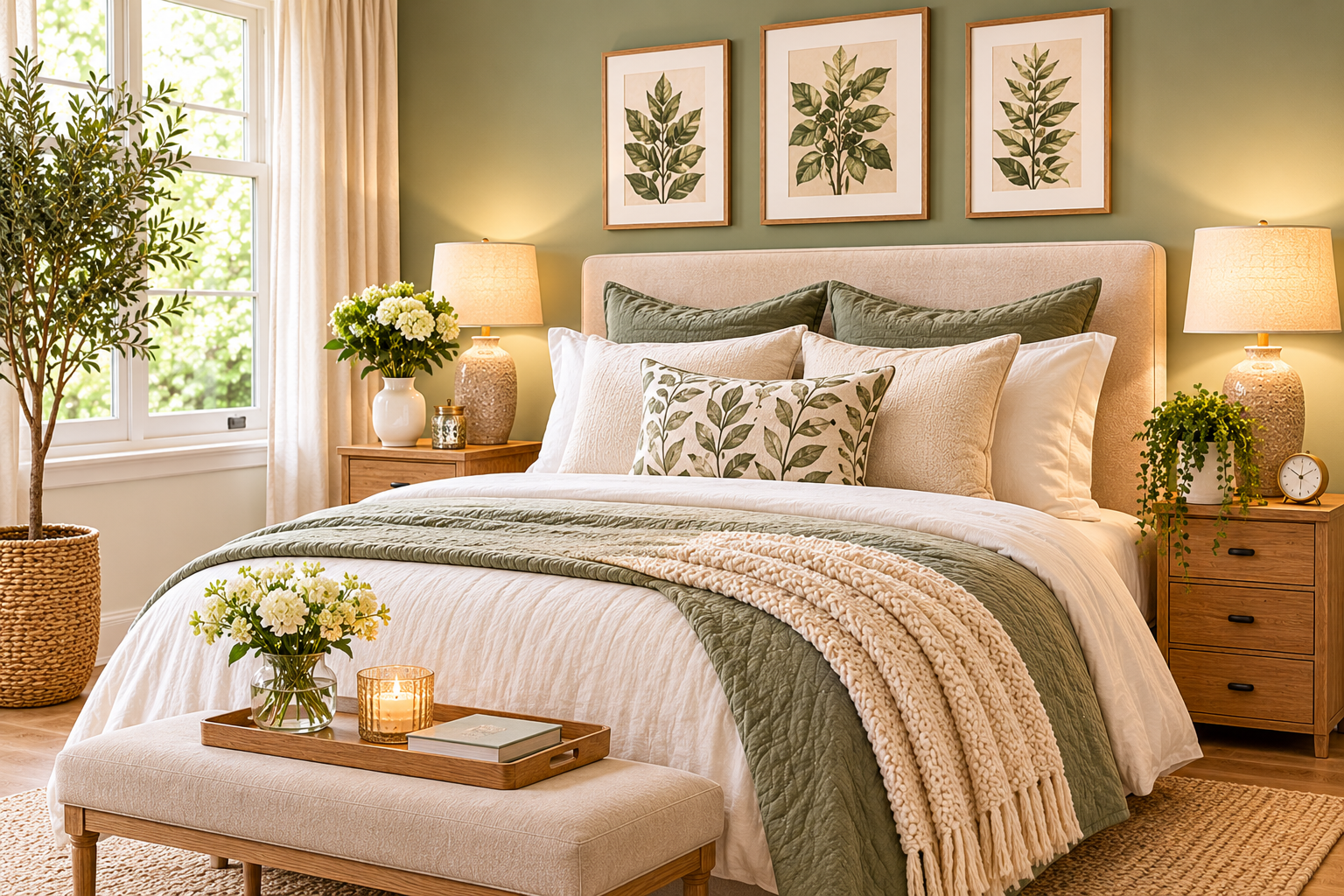
There is a particular kind of bed that makes you want to climb straight into it. The sheets look smooth but not stiff, the duvet has a little volume, the pillows look comfortable, and a throw sits casually at the foot. Nothing seems excessive. The whole arrangement feels inviting.
Then you try to recreate that look at home. You add extra pillows, fold a blanket across the bed, put another quilt underneath, and perhaps add a decorative cushion or two. Suddenly, the bed looks crowded. There is barely any room for the pillows you actually sleep on, and the throw keeps sliding onto the floor.
The problem usually is not that you chose the wrong bedding. It is that every layer is competing for attention.
A well-layered bed is built in a particular order. The sheets provide the foundation, the duvet or comforter creates the main shape, and a small number of additional pieces add texture and color. Pillows have a purpose, and the final throw is there to complete the look rather than cover every available inch.
You also need to think about how the bed is used. A bedroom is not a hotel display that has to remain untouched all day. You should be able to pull back the covers, get comfortable, read a book, and make the bed again without spending twenty minutes arranging decorative cushions.
The good news is that you do not need expensive designer bedding or a huge collection of matching accessories. With a few carefully chosen pieces, you can create a layered bed that looks polished but still feels like a real place to sleep.
This guide explains how to do it step by step, including how to choose the right number of layers, combine colors and textures, arrange pillows, style different bed sizes, and avoid the common mistakes that make bedding look bulky.
1. Understand What Bedding Layers Actually Do
Before buying anything, it helps to understand the role of each layer. Once you know what each piece contributes, it becomes much easier to decide what you need and what you can leave out.
A typical layered bed may include:
- A mattress protector.
- A fitted sheet.
- A flat sheet, if you use one.
- A duvet, comforter, or quilt.
- A coverlet or lightweight blanket.
- Sleeping pillows.
- A small number of decorative pillows.
- A throw blanket.
You do not need every item on this list. Some beds look better with just sheets, a duvet, two sleeping pillows, and one throw. Others benefit from an extra blanket or a few decorative cushions.
The purpose of layering is to create a comfortable, visually balanced arrangement. It is not to see how many different bedding products can fit on the mattress.
The foundation layer
The foundation is everything that sits closest to the mattress. It usually includes a mattress protector and fitted sheet.
A mattress protector helps protect the mattress from everyday wear and spills. A fitted sheet provides the surface you sleep on. These pieces are practical rather than decorative, but they still matter to the finished look.
A fitted sheet that is too small can pull away from the corners. One that is too large may wrinkle or bunch up. Either problem can make the bed look untidy even if the duvet and pillows are beautifully arranged.
Check the mattress depth before buying sheets. If you use a thick mattress topper, include its depth in your measurement.
The main bedding layer
The duvet, comforter, or main quilt usually creates the largest visible area of the bed. It has a major effect on the overall color scheme and shape.
This is the piece that often makes the bed look full and inviting. It should cover the mattress appropriately without dragging excessively on the floor or swallowing the bedside area.
A duvet with a suitable insert can create a soft, relaxed appearance. A thinner quilt may give a flatter, more tailored finish.
Neither is automatically better. Choose based on your climate, sleeping preferences, and the style you want.
The supporting layer
A coverlet, lightweight blanket, or quilt can add another color or texture. It is often folded across the lower part of the bed or placed neatly over the duvet.
This layer should have a reason to be there. It might add warmth, protect the duvet during the day, introduce a pattern, or create a subtle contrast.
If it does none of those things, you may not need it.
The finishing layer
A throw blanket or a small decorative cushion can add the final detail.
This is where people often go too far. A throw, two extra blankets, six cushions, and a decorative runner can turn a simple bed into a pile of fabric.
Choose one finishing detail that improves the arrangement. You can always add another later if the bed genuinely needs it.
2. Start with a Simple Color Palette
One of the easiest ways to make bedding look professionally styled is to keep the color palette under control.
A bed can contain several layers without looking busy if the colors relate to one another. On the other hand, even two or three mismatched colors can make it feel crowded.
You do not have to use only white bedding. A layered bed can look beautiful in beige, gray, sage green, navy, dusty blue, warm brown, or muted terracotta. What matters is how the colors work together.
Choose one main color
Start with the duvet or comforter because it usually covers the largest area.
You might choose:
- Warm white for a fresh, simple bedroom.
- Cream or ivory for a softer, warmer look.
- Sage green for a calm, nature-inspired palette.
- Dusty blue for a quiet, cool-toned bedroom.
- Beige or oatmeal for a relaxed neutral scheme.
- Charcoal or navy for a deeper, more dramatic appearance.
Once you have chosen the main color, use it as the reference point for the other pieces.
Add one supporting neutral
A supporting neutral helps connect the different layers.
For example, a sage duvet can work with cream sheets and oatmeal cushions. A navy comforter can be softened with white sheets and a light gray throw. Beige bedding can be paired with ivory pillows and a muted brown blanket.
The supporting neutral does not need to match the main color exactly. It simply needs to sit comfortably beside it.
Introduce a small accent color
If you want more personality, add one accent color in a smaller amount.
A rust-colored throw can warm up cream bedding. A muted olive cushion can complement a beige duvet. A dusty blue pillow can add a little contrast to a warm white bed.
Try to repeat the accent once elsewhere in the room, perhaps in artwork, a bedside accessory, or a rug. This makes the color feel connected to the rest of the bedroom.
Use the same color in different shades
A monochromatic arrangement can look especially calm. This means using several shades of one color rather than adding many unrelated colors.
For example, a beige bed might include:
- Pale ivory sheets.
- A sand-colored duvet.
- A slightly darker oatmeal blanket.
- A camel or taupe cushion.
The difference between the shades creates depth without making the bed look overly colorful.
Be careful with bright white
White bedding can look crisp and fresh, but not every white is the same.
Some fabrics have a cool, blue-white appearance, while others are warmer and closer to ivory. Mixing them is not necessarily wrong, but a noticeable difference can make the bedding look as though it was purchased by accident.
If you want a coordinated white bed, compare the fabrics in daylight before buying several pieces.
A practical color-planning trick
Before shopping, place the bedding colors you already own next to each other. You can do this on the bed or take photographs in natural light.
If the colors look comfortable together, use them as the starting palette. If one item seems out of place, decide whether it can be replaced or moved to another room.
This simple check can prevent you from buying a complete new bedding set when you only need one supporting piece.
3. Choose Sheets That Make a Good Foundation
Sheets are easy to overlook because most of them disappear under the duvet. However, they affect both comfort and the small details that show around the bed.
A folded sheet visible near the top of the duvet can create a clean border. A poorly fitted sheet can make the whole arrangement look messy.
Fitted sheets should fit properly
Measure the mattress, including any topper. Check the product information for the maximum mattress depth the fitted sheet can accommodate.
If the sheet is too shallow, the corners may come loose during the night. If it is too deep, the fabric may gather underneath the mattress.
A properly fitted sheet makes everyday bed-making much easier.
Flat sheets are optional
Some people like using a flat sheet between the fitted sheet and duvet. Others prefer sleeping directly under the duvet cover.
Both approaches are fine.
A flat sheet can provide another washable layer and can be folded back over the duvet for a neat finish. It can also be useful in warmer weather when a thick duvet feels unnecessary.
If you dislike managing extra fabric, skip it. Layering should suit your routine rather than create more work.
Consider the fabric
Cotton is a common bedding choice because it comes in many weights and weaves. Linen has a relaxed, textured appearance. Cotton blends may be easier to care for or less prone to wrinkling, depending on the product.
The best choice depends on how the fabric feels to you, the climate, and the care instructions.
Do not choose sheets based only on a thread-count number. The type of cotton, weave, finishing, and overall construction also affect how the fabric feels.
If possible, feel the fabric before buying. When shopping online, check product specifications and customer feedback, but remember that descriptions such as “luxury” or “hotel quality” are not precise measurements of comfort.
Keep the visible sheet detail simple
If you use a flat sheet, you can fold its top edge over the duvet to create a small border.
A few inches of visible sheet is usually enough. A very large fold can make the top of the bed look bulky, especially when combined with several pillow layers.
For a more relaxed look, keep the fold slightly loose rather than pulling every edge into a perfectly rigid line.
4. Select the Right Duvet or Comforter
The duvet is often the star of the bed. It creates most of the visible surface, gives the bed its shape, and influences how full or flat the finished arrangement looks.
Choosing the right one can make more difference than buying several decorative accessories.
Understand the difference between a duvet and a comforter
A duvet is generally an insert placed inside a removable cover. A comforter is usually a finished quilted bedding piece that does not require a separate cover.
A duvet system gives you flexibility because you can change the cover without replacing the insert. A comforter can be simpler if you prefer a ready-made bedding piece.
The right option depends on your preferences and the availability of suitable products where you shop.
Avoid choosing an insert that is too bulky
A very thick duvet can look impressive in a photograph, but it may overwhelm a smaller bed or make the room feel crowded.
It can also be uncomfortable if it is too warm for your climate.
Choose the warmth level based on your normal sleeping conditions. If you tend to feel warm at night, a lighter insert may be more practical. If the bedroom becomes cold, a warmer option may suit you better.
Consider the duvet cover fabric
The cover is the part you see and touch most often.
Cotton can offer a familiar, breathable feel. Linen has a relaxed texture that works well with natural or understated bedroom styles. Other blends may offer different levels of softness, durability, or wrinkle resistance.
Check the care label before buying. A fabric that requires special cleaning may not suit a busy household.
Match the duvet size to the bed
A duvet that is too small can look skimpy, while one that is excessively large may hang awkwardly over the sides.
Check the dimensions of both the mattress and duvet. Bed-size names can vary between countries and manufacturers, so compare actual measurements rather than relying only on labels such as queen or king.
Also consider the height of the mattress and bed frame. A tall mattress may need a different amount of drop than a low-profile bed.
Give the duvet some shape
A duvet does not need to look perfectly flat. A little natural volume helps create a comfortable appearance.
After making the bed, shake the duvet gently and distribute the filling evenly. Smooth the top surface with your hands, but do not press out all the softness.
If the duvet has shifted inside its cover, straighten it before adding other layers. Extra cushions will not hide a duvet that is twisted or uneven.
5. Add a Coverlet or Blanket Only If It Improves the Bed
A coverlet or lightweight blanket is often the layer that gives a bed its finished appearance. It can introduce a second texture, add a little warmth, or create a gentle contrast with the duvet.
It is also one of the easiest layers to overuse.
If the duvet already has an attractive texture and the bedding colors work together, you may not need another full-size layer. A coverlet should add something rather than simply make the bed thicker.
Fold it across the lower third
One common arrangement is to fold a lightweight blanket across the lower part of the bed.
This creates a horizontal line that breaks up a large expanse of plain duvet. It also gives you a chance to introduce a complementary color.
For example, a cream duvet can work with a muted beige coverlet. White bedding can be paired with a pale gray quilt. A sage duvet can be complemented by a cream or oatmeal blanket.
The fold does not have to be perfectly symmetrical. A relaxed arrangement can look more natural than a stiff, tightly measured fold.
Fold it lengthwise for a narrower look
If the bed is already visually busy, fold the blanket into a long, narrow strip and place it along the foot of the bed.
This uses less surface area and creates a subtle finishing detail.
It is particularly useful on a smaller bed where a full-width blanket might make the bedding look too heavy.
Use a coverlet instead of an extra throw
You do not need both a coverlet and a throw.
If the coverlet provides the texture and color you want, leave the throw out. If you prefer the casual look of a throw, use that instead.
The difference is not about following a strict decorating rule. It is about keeping the number of visible layers manageable.
Choose the right weight
A thick blanket folded on top of a thick duvet can create a bulky appearance. A lightweight quilt or coverlet is usually easier to arrange.
If you need extra warmth, choose a practical blanket that suits your sleeping needs. It can be folded neatly during the day and used at night.
Do not sacrifice comfort just to make the bed look thinner.
Let the bedding remain visible
A coverlet should not hide the entire duvet unless that is the look you intentionally want.
Allowing some of the main bedding to remain visible helps the layers read clearly. When every layer is the same size and covers the one underneath, the bed can look like a stack of blankets rather than a considered arrangement.
6. Arrange Pillows Without Turning the Bed into a Cushion Display
Pillows are probably the biggest reason a layered bed starts to look overcrowded.
It is easy to see a photograph with six or eight cushions and assume that is the secret to a designer-style bedroom. But those arrangements do not always reflect how people actually sleep.
A comfortable bed should leave enough space for the pillows you use every night.
Begin with your sleeping pillows
Your regular pillows should be the foundation of the arrangement.
Place them against the headboard, with the sleeping side facing the mattress. If you use two pillows per person, arrange them in a way that looks tidy but does not require excessive effort each morning.
The pillow arrangement should be easy to recreate. If making the bed involves a complicated sequence of cushions, you may eventually stop doing it.
Add one supporting row if needed
A second row can make the bed look fuller without requiring lots of small cushions.
Depending on the bed size, this might include two larger decorative pillows or two European-style pillows behind the sleeping pillows.
A larger pillow has more visual presence than several tiny cushions, so it can create a layered look with fewer pieces.
Finish with one small accent
If you want an additional decorative detail, use one lumbar cushion or a single smaller cushion in front.
A lumbar pillow is longer and narrower than a standard sleeping pillow. It can add shape and texture without covering as much of the bed.
Choose a fabric or color that connects with the rest of the bedding.
How many pillows are enough?
There is no universal number, but these arrangements are practical starting points:
| Bed size | Simple arrangement | More decorative arrangement |
|---|---|---|
| Twin or single | 1 sleeping pillow | 1 sleeping pillow and 1 small accent |
| Full or double | 2 sleeping pillows | 2 sleeping pillows and 1 accent |
| Queen | 2 sleeping pillows | 2 sleeping pillows and 2 larger decorative pillows |
| King | 2–4 sleeping pillows, depending on use | Sleeping pillows, 2 large supports, and 1 lumbar cushion |
These are suggestions, not rules. If you use several pillows for sleeping or need extra support, keep them. Practical comfort comes first.
Choose pillow sizes that make sense together
A bed can look messy when every pillow is a different size without a clear arrangement.
Try using a simple size progression: larger pillows at the back, regular sleeping pillows in front, and one smaller accent at the center.
You do not need to use every possible size. Two or three sizes are usually enough.
Avoid excessive decorative cushions
A common mistake is adding small cushions simply because there is an empty space in the middle of the bed.
That space does not necessarily need filling.
Too many cushions can hide the headboard, make the bed look shorter, and create a daily chore. They also need somewhere to go when you are sleeping.
If you like decorative pillows, choose a few that have a clear relationship to the bedding. One interesting texture or pattern can have more impact than five unrelated cushions.
Give pillows a natural finish
Pillows do not always need to be perfectly upright.
You can arrange them neatly and give them a gentle shake so they look full. If the fabric naturally wrinkles, allow a little of that texture to show.
The aim is a comfortable, inviting bed, not a display that looks untouched.
7. Mix Textures Instead of Adding More Colors
When a bed looks plain, the first instinct is often to introduce another color or pattern. Sometimes that works, but texture is often the better solution.
Different materials can make a neutral bed feel interesting without increasing the number of colors.
Think about how a cotton duvet looks beside a knitted throw, a linen cushion, or a quilted coverlet. The colors may be almost identical, yet the bed still has depth.
Combine smooth and textured fabrics
A simple way to create contrast is to use one smooth fabric and one textured fabric.
For example:
- Smooth cotton sheets with a quilted coverlet.
- A plain duvet with a knitted throw.
- Linen-look bedding with a soft velvet cushion.
- A cotton duvet with a woven lumbar pillow.
The materials should feel comfortable together. A scratchy decorative cushion may look attractive but will not be pleasant if you regularly lean against it.
Use quilting for subtle detail
Quilted bedding can add visual interest without introducing a pattern.
A small stitched design can create a soft surface texture. It works well when you want the bed to look layered but prefer a restrained color scheme.
If the quilted coverlet already has a noticeable design, keep the cushions and throw relatively simple.
Try linen for a relaxed appearance
Linen has a naturally textured finish. It often looks slightly rumpled, which can suit bedrooms that are meant to feel casual and comfortable.
If you prefer a perfectly smooth bed, linen may not be the style you want. But if you enjoy a softer, lived-in appearance, it can be a useful choice.
Check the care requirements and fabric composition before purchasing. Products described as linen-look may be blends rather than pure linen.
Add a knitted throw carefully
A knitted throw can bring warmth and softness to a bed.
The size and weight matter. A very thick, oversized knit may dominate a small bed. A lighter knit can provide the same general feeling without adding too much volume.
Fold it once or twice rather than spreading it across the entire mattress.
Use texture to make neutral colors interesting
A bed with cream, beige, and ivory can still look rich if the fabrics are different.
Try combining a smooth ivory duvet, a waffle-textured blanket, a woven cushion, and a soft rug beside the bed.
This creates variation without relying on strong color contrasts.
Do not combine every texture at once
There is a point where the arrangement becomes too complicated.
If the duvet is quilted, the throw is chunky, the pillows are heavily embroidered, and the coverlet has a bold woven pattern, the bed may feel visually crowded even if everything is neutral.
Choose two or three main textures and let them repeat.
8. Use Patterns in Small, Controlled Amounts
Patterns can make bedding feel personal, but they need a little planning.
Florals, stripes, checks, geometric designs, and botanical prints can all work. The challenge is making sure they do not compete with one another.
Start with one main pattern
If your duvet has a noticeable print, keep the supporting pieces relatively simple.
A floral duvet can work with plain sheets and a textured throw. A striped coverlet can be paired with solid-color pillows. A geometric cushion can add interest to a plain neutral bed.
The patterned piece should have room to stand out.
Combine patterns through shared colors
If you want to use more than one pattern, look for a shared color.
For example, a striped cushion with cream and sage can work with a small floral print that also contains cream and sage. The patterns do not have to be identical, but the shared palette helps them feel connected.
Mix pattern scale
If two patterns are similar in size and visual strength, they may compete.
A large floral design can be balanced by a small stripe or a subtle woven pattern. A bold geometric cushion may work better with a plain duvet than with another strong geometric print.
Varying the scale helps each pattern remain visible.
Use patterned cushions as accents
If you are unsure about patterned bedding, start with one patterned cushion.
It is a low-commitment way to add personality. You can remove or replace it easily if the result feels too busy.
Remember that plain bedding is not boring
A bed with plain sheets, a solid duvet, and one textured throw can look beautifully finished.
You do not need a pattern simply because the room feels empty. Sometimes the texture and proportions are enough.
9. Style the Foot of the Bed Without Adding Bulk
The foot of the bed is a natural place for a finishing layer, but it is also where bedding can become unnecessarily thick.
A blanket, runner, quilt, and throw all placed together may look excessive. Choose one main piece and arrange it in a way that suits the size of the bed.
Use a narrow folded throw
Fold the throw lengthwise and place it across the lower portion of the mattress.
This creates a clean horizontal detail and keeps most of the duvet visible.
If the bed is narrow, use a smaller throw. A blanket that hangs too far over both sides can make the arrangement look heavy.
Drape it casually over one corner
A relaxed drape can make a bed feel less formal.
Fold the throw once, then let one end fall slightly over a corner. Keep the rest of the bedding tidy so the casual detail looks intentional.
This works particularly well with textured throws and plain bedding.
Choose a runner for a tailored look
A bed runner is a narrow decorative piece that sits across the foot of the bed.
It can provide a hotel-inspired finish without covering a large area. However, it is not essential, and a separate runner may be unnecessary if you already use a coverlet.
Choose a width and length that suit the bed. A very short runner can look disconnected, while one that is too wide may resemble another blanket.
Do not let the throw drag on the floor
A throw that hangs too low can collect dust, become a tripping hazard, or get caught under the bed frame.
Check the length before buying and consider how high the mattress sits.
Make it easy to remove
If you use the throw every day, arrange it so you can pick it up and fold it quickly.
A decorative layer that is difficult to manage may not stay on the bed for long. Practicality is part of good styling.
10. Adjust the Layers to Your Bed Size
A bedding arrangement that looks balanced on a king bed may feel crowded on a single bed. The number and size of the layers should suit the available space.
This is why copying a bedroom photograph exactly can be disappointing. The original room may have a much larger mattress, a taller headboard, or more space around the bed.
Styling a single bed
A single bed has less room for decorative layers, so keep the arrangement simple.
Use a fitted sheet, duvet, and one or two pillows. If you want a finishing detail, add a narrow throw across the foot.
A small accent cushion can work, but it should not take up most of the visible sleeping area.
Light bedding and subtle texture can make a single bed look inviting without needing several layers.
Styling a double bed
A double bed offers a little more room for a second pillow row or a folded blanket.
Start with two sleeping pillows, then consider adding two larger decorative pillows if you like that look. A small lumbar cushion can be used as the final accent, but it is optional.
Make sure the duvet has enough width to cover the mattress properly. If the sides are too short, the bed may look undersized even when the pillow arrangement is attractive.
Styling a queen bed
A queen bed is a useful size for experimenting with a layered look.
Two sleeping pillows, two larger supporting pillows, and one smaller accent can create a balanced arrangement. You can also add a coverlet or throw at the foot.
If the headboard is tall, larger pillows may help fill the space. If the headboard is low, a simpler arrangement may look better.
Styling a king bed
A king bed has a wide surface, so small decorative items can sometimes look lost.
Larger pillows and a wider throw may suit the proportions better. However, you still do not need a large number of cushions.
A simple arrangement might include the sleeping pillows, two larger decorative pillows, and one lumbar cushion. A neatly folded coverlet can add another layer if the bed needs it.
Leave enough visible duvet so the bed does not look like a stack of cushions and blankets.
Consider the headboard
The height and shape of the headboard influence how the pillows look.
A tall upholstered headboard can make a small pillow arrangement feel balanced. A low wooden headboard may benefit from larger pillows that provide more visual height.
A bed without a headboard can still look well layered. You may simply want to keep the pillows a little more structured so they do not appear to float against a blank wall.
11. Layer Bedding for Different Seasons
The best bedding arrangement is not necessarily the same throughout the year.
A thick duvet, extra blanket, and knitted throw may be comfortable in colder weather but excessive during a warm summer. Seasonal adjustments can keep the bed looking attractive while making it more comfortable.
A lighter arrangement for warm weather
During warmer months, use a lighter duvet or quilt if that suits your sleeping needs.
You might arrange the bed with:
- A fitted sheet.
- A flat sheet, if preferred.
- A lightweight duvet or coverlet.
- Two sleeping pillows.
- One optional light throw.
Choose fabrics that feel comfortable in your climate and follow their care instructions.
A lighter arrangement can still look layered. You do not need a heavy blanket to create a finished appearance.
A warmer arrangement for cooler weather
When the bedroom becomes cold, you may want an additional blanket.
Instead of adding several decorative layers, choose one useful piece that provides extra warmth. Fold it across the foot of the bed during the day and pull it over the duvet when needed.
A wool or knitted throw can add texture, but choose one that feels comfortable and is easy to care for.
Use color to make seasonal changes
You can refresh the bedroom without replacing the main bedding.
In warmer months, use lighter shades such as ivory, pale blue, soft green, or cream. In cooler months, introduce deeper tones such as rust, olive, navy, or warm brown through a throw or cushion cover.
This keeps the room feeling fresh without requiring a complete makeover.
Store seasonal bedding properly
When you put away a heavy blanket or spare duvet, make sure it is clean and completely dry.
Use a storage bag or suitable cupboard space, and avoid compressing items in a way that damages their filling or fabric. Follow the manufacturer’s storage guidance when available.
A little organization makes seasonal changes much easier.
12. Make a Small Bedroom Look Less Cluttered
Layered bedding can be especially attractive in a small bedroom, but it needs a lighter touch.
When the bed takes up most of the floor area, every extra cushion or blanket becomes more noticeable. A simple arrangement often looks better than a complicated one.
Keep the duvet as the main feature
Choose a duvet color that works with the walls and floor. A single main color gives the eye a clear area to rest.
If the room is already decorated with strong wallpaper or patterned curtains, plain bedding may be the better choice.
Use fewer pillows
Two sleeping pillows and one small accent may be enough.
If you want a fuller look, choose larger supporting pillows rather than adding many small cushions.
Avoid thick layers on top of thick layers
A chunky quilt, heavy duvet, and oversized throw can make a small bed appear bulky.
Use a lightweight coverlet or a narrow throw if you want additional texture.
Choose a practical storage spot for decorative pillows
If you do use decorative cushions, decide where they will go at night.
A storage basket, bedroom chair, or shelf may work, provided it does not block the walkway. If there is nowhere convenient to put them, reduce the number of cushions.
Keep the floor visible
The bed should not be surrounded by unnecessary furniture or piles of bedding.
A clear path around the bed can make the whole room feel more comfortable. If the room is very small, a narrow bedside table or wall-mounted shelf may be more practical than a large cabinet.
13. Create a Hotel-Inspired Bed Without Making It Impractical
Hotel beds often look inviting because the arrangement is simple, the bedding is clean, and the pillows are neatly organized.
You can borrow some of those ideas at home without trying to recreate a full hotel setup.
Keep the main bedding crisp and simple
Plain white or warm ivory bedding is a common starting point for a hotel-inspired look.
It provides a clean background for a folded sheet edge, a textured coverlet, or a small accent cushion.
You can use other colors too. The important thing is to keep the main bedding coordinated.
Use a neat top fold
If you use a flat sheet, fold the upper edge over the duvet.
Keep the fold even across the bed, but do not make it so deep that it takes over the entire top section.
Arrange pillows in a clear order
Place the sleeping pillows first, then add larger decorative pillows behind or in front, depending on the headboard and bed layout.
Keep the number manageable. A neat arrangement of four pillows can look more polished than an uneven pile of eight.
Add one foot-of-bed detail
A folded coverlet or runner can create a finished appearance.
Avoid using both if they compete with one another. The goal is a clean, balanced bed rather than a display of every bedding accessory you own.
Keep the bedding easy to maintain
A hotel-inspired bed is not useful if it takes too long to make every morning.
Choose fabrics that fit your laundry routine and a pillow arrangement you can recreate quickly.
A practical bed will look better over time because you are more likely to keep it tidy.
14. Layer Bedding in a Relaxed, Lived-In Style
Not everyone wants a perfectly crisp bed. If you prefer a more relaxed bedroom, you can use the same basic layers but arrange them less formally.
The difference is in the fabric, texture, and finish.
Choose fabrics with natural texture
Linen, cotton gauze, soft quilts, and textured weaves can create a more relaxed appearance.
Some fabrics wrinkle naturally. That does not necessarily mean the bed looks untidy. A little texture can make the arrangement feel comfortable.
Avoid over-smoothing everything
You can straighten the duvet and arrange the pillows without removing every natural crease.
A loosely folded throw or slightly relaxed coverlet can add to the look.
Keep the palette connected
A relaxed bed can still look coordinated.
Try cream sheets, a beige duvet, a muted green throw, and one patterned cushion. The colors relate to one another, even if the arrangement is not perfectly symmetrical.
Use fewer decorative items
A casual bedroom usually benefits from fewer accessories.
Two pillows, one throw, and a comfortable duvet may be all you need. Allow the fabrics to provide the interest.
15. Make Bedding Work with the Rest of the Bedroom
The bed is usually the largest visual feature in the room, but it should not look disconnected from the furniture, curtains, rug, and wall color.
You do not have to match every item. Instead, repeat a few colors or materials so the room feels connected.
Connect bedding with the curtains
If the curtains are patterned, plain bedding may provide balance.
If the curtains are neutral, a colored duvet or accent cushion can bring more character to the room.
The colors do not have to be identical. A muted blue duvet can work with cream curtains that have a small blue detail, for example.
Consider the rug
A rug beside or beneath the bed can add another texture.
If the bedding is plain, a subtle patterned rug may help. If the duvet already has a strong pattern, a quieter rug can keep the room from feeling busy.
Think about the rug’s size and position. It should be practical to walk on and should not interfere with doors or drawers.
Repeat a color in the artwork
A small color from a print or photograph can be repeated in a cushion or throw.
This is an easy way to make the bed feel connected to the rest of the bedroom.
You do not need to match the artwork exactly. A similar tone is often enough.
Use furniture finishes to add warmth
Wooden bedside tables, a natural headboard, or a woven basket can soften a room filled with smooth fabrics.
If your bedroom has darker furniture, lighter bedding can provide contrast. If the furniture is pale, a deeper duvet may add definition.
Do not make everything match perfectly
A bedroom can look artificial when every fabric and accessory is exactly the same color.
A little variation in tone and texture helps the room feel personal. The aim is coordination, not uniformity.
16. A Step-by-Step Method for Layering Your Bed
If you are unsure how to put everything together, follow this sequence. It works as a starting point for most beds and can be adjusted to suit your preferences.
Step 1: Clear the mattress
Remove the old bedding, pillows, and throws.
Check the mattress protector and fitted sheet. Smooth out any wrinkles and make sure the corners are secure.
This is the foundation, so it is worth getting right before adding anything else.
Step 2: Put on the fitted sheet
Pull the sheet over each corner and check that it fits the mattress properly.
If it keeps coming loose, check the mattress depth and sheet size. Do not try to solve a poor fit by repeatedly pulling the corners tighter.
Step 3: Add the flat sheet if you use one
Place it evenly over the fitted sheet.
Make sure the top edge is positioned where you want it to appear beneath the duvet. If you prefer not to use a flat sheet, move to the next step.
Step 4: Add the duvet
Spread the duvet evenly over the mattress.
Adjust the filling so it is distributed across the cover. Check that the sides hang evenly and that the duvet is not twisted.
If you want a neat top fold, leave enough space at the head of the bed to fold the sheet over the duvet.
Step 5: Create the top fold
Fold the upper edge of the flat sheet over the duvet if that is part of your preferred style.
Keep the fold simple. A narrow border is usually enough.
Step 6: Add one supporting layer
Choose either a coverlet, quilt, or lightweight blanket.
Fold it across the lower part of the bed or arrange it lengthwise. Check the overall shape before adding anything else.
If the bed already looks complete, stop here.
Step 7: Arrange the sleeping pillows
Place your regular pillows against the headboard.
Fluff them gently and arrange them so they look tidy. Do not add decorative pillows yet.
Step 8: Add a small number of decorative pillows
If the bed needs more height or texture, add one supporting row.
Finish with one accent cushion only if it improves the arrangement.
Step back and look at the bed. If the pillows hide most of the headboard or cover too much of the duvet, remove one or two.
Step 9: Add the throw
Fold the throw neatly or drape it over one corner.
Make sure it does not hang too low or cover the entire foot of the bed.
Step 10: Check the overall balance
Stand at the doorway and look at the bed as a whole.
Ask yourself:
- Can I still see the main duvet?
- Are the colors connected?
- Do the pillows look proportionate?
- Is the foot of the bed too bulky?
- Can I remove everything easily at night?
- Does the bed look comfortable rather than staged?
If something feels excessive, remove it. The final arrangement should be easy to use.
17. Realistic Bedding Combinations You Can Copy
Sometimes it is easier to plan a bed when you can picture the pieces together. These combinations offer starting points that can be adapted to your existing bedroom.
Cream and beige: A soft neutral bed
Use cream sheets, a beige duvet, two sleeping pillows, and a textured oatmeal throw.
Add one small cushion in a slightly deeper tan if you want another layer.
This combination works well with natural wood, warm white walls, and woven accessories. It is particularly useful if you want a calm look that will not feel dated quickly.
White and sage: A fresh, natural bed
Start with white sheets and a sage duvet.
Add a cream coverlet or a small sage-and-cream cushion. Keep the curtains neutral and use wood furniture to add warmth.
This is a good option if you like green but do not want the whole bedroom to feel strongly colored.
Gray and white: A simple modern bed
Use white sheets, a light gray duvet, and one darker gray throw.
Keep the pillows plain and introduce texture through a quilted coverlet or woven cushion.
This arrangement can look clean and contemporary. If the room feels too cool, add warm wood or a cream accessory.
Navy and ivory: A deeper contrast
Use ivory sheets with a navy duvet. Add a pale gray or cream coverlet and keep the pillows mostly neutral.
The darker duvet becomes the main feature, so avoid adding several other strong colors.
This combination can work well with light walls and simple furniture.
Dusty blue and oatmeal: A relaxed color combination
Use a dusty blue duvet, oatmeal sheets or pillowcases, and a cream throw.
A subtle patterned cushion can bring the colors together.
This palette can suit a bedroom with natural wood and warm neutral walls.
Terracotta and cream: A warm accent bed
Start with cream bedding and introduce terracotta through a folded throw or one accent cushion.
Keep the main duvet neutral so the accent does not dominate the bed.
This works particularly well with warm wood, beige walls, and earthy artwork.
18. Common Mistakes That Make a Bed Look Overcrowded
A bed can have beautiful individual pieces and still look messy when they are arranged together. These are some of the most common problems and how to correct them.
Mistake 1: Adding too many decorative pillows
A large number of cushions can hide the duvet and make the bed look smaller.
A better approach: Start with your sleeping pillows. Add one supporting row and one accent only if needed. Remove anything that does not improve the arrangement.
Mistake 2: Using too many blankets
A duvet, coverlet, quilt, runner, and throw may create more bulk than the bed needs.
A better approach: Choose one main bedding layer and one supporting layer. Add a throw only if it serves a purpose.
Mistake 3: Mixing too many colors
Several unrelated colors can make the bed look disorganized.
A better approach: Use one main color, one supporting neutral, and perhaps one accent. Repeat the colors in a controlled way.
Mistake 4: Choosing patterns that compete
Large florals, bold stripes, and geometric prints can fight for attention.
A better approach: Choose one main pattern and keep the rest simple. If you mix patterns, vary their scale and share at least one color.
Mistake 5: Ignoring proportions
Small cushions can disappear on a large king bed, while oversized pillows can overwhelm a single bed.
A better approach: Match pillow and throw sizes to the mattress. Consider the height of the headboard and the amount of visible bedding.
Mistake 6: Buying a duvet that is too bulky
A very thick duvet can dominate the bed and may be uncomfortable in a warm bedroom.
A better approach: Choose a duvet that suits the climate and your sleeping preferences. Use a lighter coverlet for visual layering instead of adding unnecessary thickness.
Mistake 7: Letting the throw cover too much
A large throw spread across the whole bed can hide the main duvet and make the arrangement look heavy.
A better approach: Fold it into a narrower strip or drape it over one corner.
Mistake 8: Making the bed too perfectly
A tightly arranged bed can look stiff, especially if the room has a relaxed style.
A better approach: Keep the main bedding tidy but allow some natural texture. A slightly relaxed fold can look more inviting.
Mistake 9: Forgetting where the pillows go at night
Decorative pillows become frustrating when there is no place to store them.
A better approach: Choose a manageable number and plan a practical place for them. If the room has limited space, use fewer decorative pillows.
Mistake 10: Buying everything as a matching set
A complete matching set can be convenient, but it may look flat if every piece has the same color and finish.
A better approach: Mix a coordinated set with one or two different textures or tones. You do not need to buy every item from the same collection.
Mistake 11: Choosing looks over comfort
A decorative fabric may look beautiful but feel unpleasant against the skin.
A better approach: Prioritize the materials you sleep on. Keep decorative items away from the main sleeping area if their texture is not comfortable.
Mistake 12: Ignoring laundry and maintenance
A bed that requires too many separate pieces can create more laundry than you want to manage.
A better approach: Choose fabrics that suit your washing routine. Use only the layers you are willing to care for regularly.
19. How to Layer Bedding on a Budget
A designer-style bed does not require a designer-sized shopping budget. In many cases, the best results come from using fewer pieces more thoughtfully.
Before buying new bedding, look at what you already own. You may have a neutral duvet cover, a spare blanket, and a couple of pillowcases that can work together with a small adjustment.
Start with the largest visible item
If your duvet cover is worn, faded, or completely disconnected from the bedroom colors, replacing it may make more difference than buying several cushions.
Choose a versatile color that works with your existing curtains, walls, and furniture.
Cream, warm white, beige, and muted gray are flexible options. If you prefer color, choose a shade you are comfortable seeing every day rather than a trend you may quickly tire of.
Buy pillow covers instead of complete pillows
If your decorative cushions are still in good condition, new covers can give them a different appearance.
Measure the existing inserts before ordering covers. A cover that is too small may be difficult to put on, while one that is too large can look loose.
Check the care instructions and fabric details, particularly if you plan to wash the covers regularly.
Use a blanket you already own
A blanket from another room may work perfectly at the foot of the bed.
Try folding it lengthwise and see how it looks with the duvet. If the colors are too different, it may still work if there is a shared neutral tone.
You do not need a special decorative throw just because bedroom photographs often include one.
Refresh the arrangement before shopping
Sometimes the bed looks crowded because the layers are arranged poorly rather than because you own the wrong items.
Try removing half the cushions, folding the throw more narrowly, and allowing more of the duvet to show.
Take a photograph before and after. Seeing the bed from a little distance can help you notice whether the simpler arrangement looks better.
Shop with measurements
Before ordering a duvet, coverlet, throw, or pillow, check its dimensions.
Online product photographs can make an item look larger or smaller than it really is. Measurements help you avoid buying something that overwhelms the bed.
If the product listing provides only a general size label, look for the actual measurements or contact the seller.
Avoid unnecessary trend purchases
A particular bedding style may be popular for a season, but you do not need to replace your entire setup every time you see a new bedroom trend.
Invest in comfortable basics first. Add smaller, less expensive details when you want a change.
20. How to Keep the Bed Looking Good Every Day
The most attractive bedding arrangement is one you can maintain without turning bed-making into a long routine.
A few simple habits can help.
Straighten the main duvet first
When you get up, pull the duvet into place and smooth it lightly.
You do not need to remove every crease. Just make sure it is evenly spread across the mattress.
Arrange the pillows in the same order
Keep the pillow arrangement simple enough that you can recreate it quickly.
If you have a regular routine, place the sleeping pillows first and the decorative pieces afterward. This prevents the bed from becoming a random pile of cushions.
Fold the throw consistently
Choose one position for the throw and use it regularly.
It might sit across the foot of the bed, along one side, or over a corner. A consistent arrangement can make the room feel tidy without requiring much effort.
Put away what you do not use
If you find that a cushion or blanket is always in the way, remove it from the arrangement.
You do not have to keep every decorative item on display. A bedroom should support your routine, not make it harder.
Wash and rotate bedding
Follow the care labels for sheets, duvet covers, pillowcases, and decorative fabrics.
If you use multiple sets, rotating them can help reduce wear on any single set. Store clean bedding in a dry, suitable place.
Avoid assuming that all fabrics can be washed at the same temperature or dried in the same way.
Keep the mattress area clean
When changing sheets, take the opportunity to check the mattress protector and inspect the mattress surface.
Follow the manufacturer’s care guidance for cleaning and maintenance. Keeping the foundation in good condition helps the bed remain comfortable as well as attractive.
21. Small Details That Make Layered Bedding Look More Considered
Once the main arrangement is in place, a few small details can help it look finished. These are optional, and you should add only what the bed actually needs.
Pay attention to the pillowcase opening
Some pillowcases have simple envelope closures, while others use buttons or decorative edging.
A clean, well-fitting pillowcase makes the pillow look neater. If the opening is visible, arrange it so it does not sit awkwardly on the front of the bed.
Use a consistent direction for patterns
If your bedding has stripes, checks, or a directional print, arrange the pieces so the patterns look intentional.
For example, a striped pillowcase can be placed with the stripes running in the same direction as the duvet detail. This is a small adjustment, but it can make the bed feel more orderly.
Check the duvet corners
If the duvet insert shifts inside its cover, the corners may become empty or lumpy.
Use the cover’s internal ties or fasteners if it has them. Distribute the filling evenly before making the bed.
Avoid too much fabric hanging over the sides
A duvet that hangs excessively can make the bed look bulky and may get caught beneath the frame.
Check the drop on both sides. If you want a generous drape, make sure it still allows the bedding to sit comfortably without touching the floor.
Give the headboard some space
If you have a decorative headboard, do not cover all of it with oversized pillows.
A visible strip of the headboard can help frame the bed. This is especially useful when the headboard has an interesting shape, fabric, or wood finish.
Consider the bedside table
A neatly layered bed can look disconnected if the bedside tables are cluttered.
Keep the surface practical. A lamp, book, phone, and small tray may be enough.
You do not need to decorate every available surface. Leaving a little open space helps the room feel more restful.
22. A Quick Checklist Before You Finish Styling
After arranging the bedding, use this short checklist to decide whether the bed looks balanced.
- The fitted sheet sits securely on the mattress.
- The duvet is spread evenly and is the main visible layer.
- The colors work together rather than competing.
- The pillows are proportionate to the bed.
- The number of decorative cushions is manageable.
- The coverlet or throw adds texture without hiding everything underneath.
- The foot of the bed is not excessively bulky.
- The headboard remains visible where appropriate.
- The bedding is comfortable and practical to use.
- You can remove the decorative pieces quickly at night.
If you are unsure about one of the layers, remove it temporarily and look at the bed again. It is often easier to recognize what is unnecessary when you see the simpler arrangement.
Frequently Asked Questions
1. How many layers should a well-made bed have?
There is no fixed number. A practical arrangement usually includes a fitted sheet, a duvet or comforter, sleeping pillows, and perhaps one supporting blanket or throw.
You can add a flat sheet, coverlet, or decorative cushions if they improve comfort or appearance. The important thing is to avoid adding layers without a clear purpose.
2. How many decorative pillows should I put on my bed?
For many beds, one to three decorative pillows are enough. A single accent cushion can work on a small bed, while a larger bed may suit two supporting pillows and one lumbar cushion.
Your sleeping pillows should remain the priority. If decorative cushions take too long to arrange or remove, reduce the number.
3. Should the throw blanket go across the middle or the foot of the bed?
Both positions can work.
A throw folded across the foot creates a traditional finishing detail. A narrower throw placed lengthwise gives a more relaxed appearance. You can also drape one corner casually if that suits your bedroom style.
Choose the position that looks balanced with your bed size and does not get in the way.
4. Can I layer bedding without using a flat sheet?
Yes. A fitted sheet and duvet cover are enough for a simple arrangement.
A flat sheet is optional. Some people like the extra layer, while others prefer fewer pieces to manage. Choose the setup that feels most comfortable and practical.
5. How do I make a bed look full without adding too many pillows?
Choose a duvet with a suitable amount of volume, use correctly sized bedding, and introduce texture through a coverlet or throw.
A couple of larger pillows can create more visual presence than several tiny cushions. Make sure the duvet is evenly spread and the pillows are arranged neatly.
6. Is it better to use matching bedding or mix different colors?
Both can look good.
A matching set provides a coordinated starting point. Mixing different shades and textures can make the bed feel more personal and layered.
A useful middle ground is to keep the main bedding within one color family and introduce one contrasting texture or accent shade.
7. How do I make a white bed look interesting?
Use texture rather than adding lots of colors.
Try a quilted coverlet, a knitted throw, a linen cushion, or a subtly patterned pillowcase. Different shades of white, cream, and ivory can also create depth.
8. Can I mix cotton and linen bedding?
Yes, provided the fabrics are comfortable together and their care requirements suit your routine.
Cotton and linen can create an appealing contrast because they have different surface textures. Check the manufacturer’s washing instructions before combining items in the same laundry load.
9. How do I style a bed with a low headboard?
Keep the pillow arrangement relatively simple and avoid stacking so many pillows that the headboard disappears.
A pair of larger pillows can provide some visual height. A neatly folded throw can add interest near the foot of the bed without making the top half look crowded.
10. How do I layer bedding on a small bed?
Use fewer decorative pieces and choose lighter layers.
A fitted sheet, duvet, sleeping pillow, and narrow throw may be enough. If you want an extra cushion, choose a small one that does not cover too much of the mattress.
11. Should the duvet touch the floor?
Usually, it is better for the duvet to hang neatly over the sides without dragging on the floor.
The exact amount of drop depends on the mattress, bed frame, and your preferred appearance. Check the duvet dimensions and leave enough clearance for cleaning and everyday use.
12. How can I make bedding look neat without ironing everything?
Choose fabrics that suit your preferred level of maintenance.
Smooth the duvet by hand, straighten the sheets, and arrange the pillows. Natural wrinkles in linen or relaxed cotton can look attractive, so a perfectly pressed finish is not necessary.
If a fabric wrinkles more than you like, check its care instructions and consider a different material when replacing it.
13. What is the easiest way to make a bed look more expensive?
Focus on proportion, fabric quality, and a restrained color palette.
A well-fitting duvet cover, coordinated sheets, neatly arranged pillows, and one textured throw can look more polished than a bed covered with many inexpensive decorative items.
You do not need to buy a complete luxury bedding set. A few well-chosen pieces can make a noticeable difference.
14. Should decorative pillows match the duvet?
They do not have to match exactly.
They should relate to the duvet through color, texture, or pattern. A cushion in a complementary shade can add interest without looking disconnected.
15. Is a bed runner necessary?
No. A bed runner is an optional decorative detail.
A folded throw or coverlet can create a similar finishing effect. If you already have enough layers, leaving the foot of the bed simple may look better.
Final Thoughts: The Best-Layered Bed Is Still Easy to Sleep In
It is easy to assume that a beautifully styled bed needs a large collection of pillows, blankets, and decorative accessories. In reality, the opposite is often true. The most inviting arrangements tend to have a clear foundation, a few complementary textures, and enough open space for the main bedding to remain visible.
Start with the sheets and duvet. Make sure they fit properly and feel comfortable. Choose a simple color palette, then add one supporting layer if the bed needs more texture or warmth. Arrange your sleeping pillows first and keep decorative cushions to a manageable number. Finish with a throw only if it improves the overall look.
Do not worry if your bed does not look exactly like a photograph. Your mattress, headboard, room size, lighting, and daily habits are different from those in a styled bedroom image. What matters is finding an arrangement that suits your space.
If you are refreshing your bedding on a budget, begin with what you already own. Try removing a few cushions, folding the blanket differently, or mixing a plain duvet with a textured throw. You may discover that the bed looks better without buying anything.
A well-layered bed should make you want to climb into it at the end of the day. It should look tidy when you walk into the room, feel comfortable when you lie down, and take only a few minutes to put back together in the morning.
That is the balance worth aiming for: a bed that looks thoughtfully styled but still feels like home.