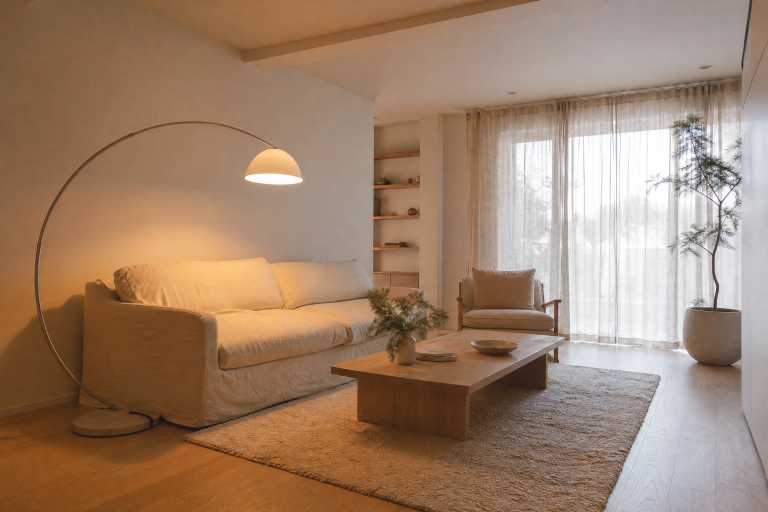
Gen Z Aesthetic Room Ideas That Actually Look Like You Live There
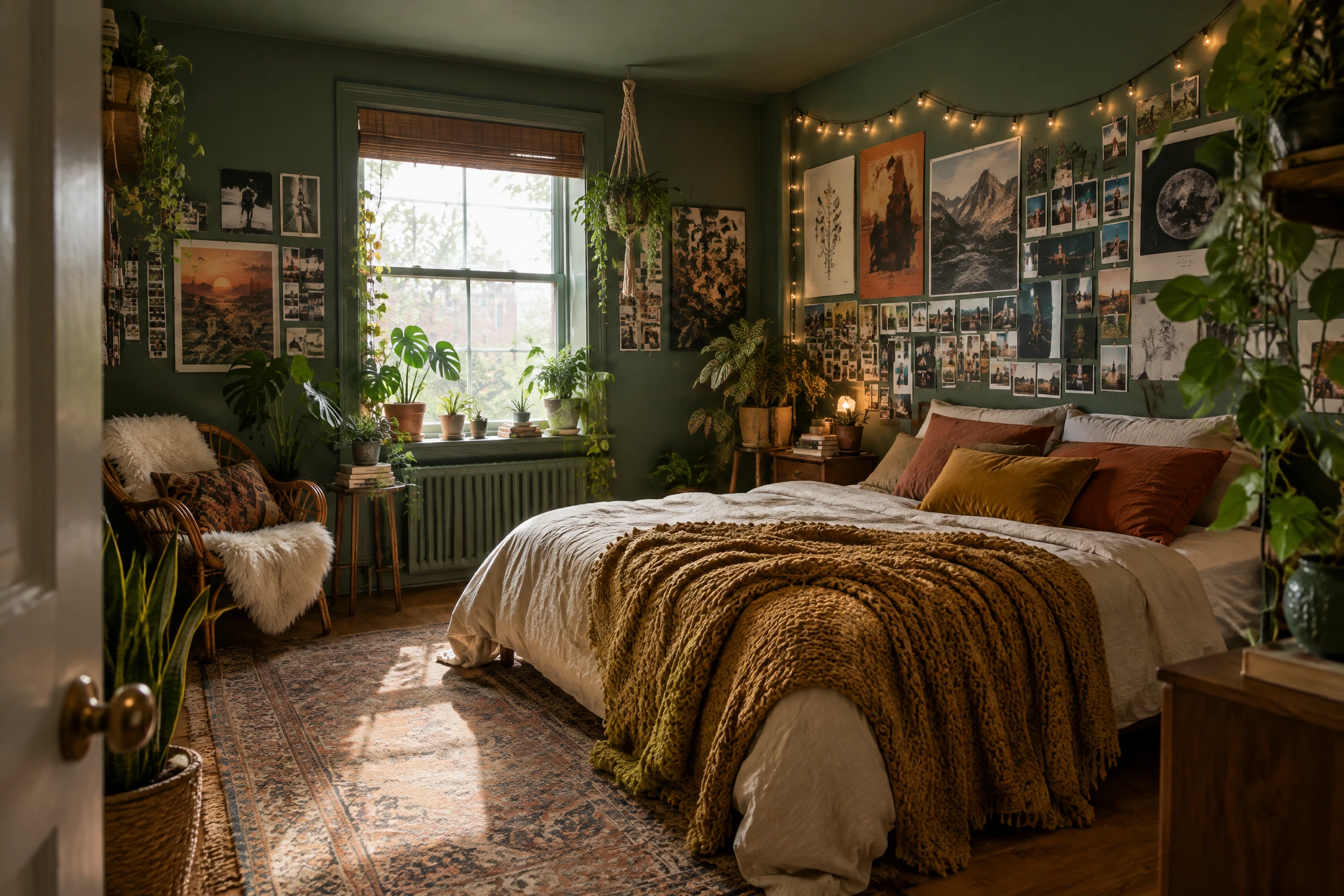
Gen Z aesthetic is not a single look. It is a design philosophy that rejects the idea of a single look. Where the generation before prioritised neutral tones, matching furniture sets, and rooms that could belong to anyone, Gen Z rooms belong unmistakably to the person living in them. The aesthetic is built on self-expression over cohesion, sustainability over newness, personality over polish, and comfort over formality. It embraces colour that millennial minimalism spent a decade avoiding, mixes vintage finds with contemporary pieces without apology, and treats the room as a creative output rather than a background. What holds a Gen Z aesthetic room together is not a matching palette or a single style but a point of view. These 21 ideas are organised around the seven core values that drive the aesthetic, so you can understand what the design choices are actually about and make them your own. The rooms that pull off this aesthetic most convincingly are the ones where the person inside them clearly made their own calls rather than following a checklist.
VALUE ONE: SELF-EXPRESSION
1. Make the Walls a Personal Gallery, Not a considered display
The Gen Z approach to wall display is fundamentally different from the styled gallery wall of the previous decade. Where a millennial gallery wall features matching frames, carefully spaced prints, and a consistent palette, a Gen Z wall display is a genuine collection of objects, images, and text that reflect the specific interests, relationships, and identity of the person who lives there. Polaroid photos pinned with coloured tacks, a concert ticket stub, a printout of a favourite lyric, a vintage film poster, a piece of art made by a friend, a page torn from a magazine, and a hand-lettered note all coexist on the wall because they are genuinely meaningful rather than because they are visually coordinated. The organisation can be loose, overlapping, dense, or sparse depending on personal preference, but it should feel like a diary rather than a design exercise.
Pro Move: Washi tape, coloured push pins, string lights with clips, and adhesive strips make a constantly evolving wall display possible without permanent holes or damage. The ability to add, remove, and rearrange freely is essential to the self-expression quality of a Gen Z wall: it should grow and change as the person does.
2. Display Objects That Tell Your Specific Story
The shelf and surface styling in a Gen Z room prioritises objects with personal meaning over objects with decorative function. A shelf that holds a stack of graphic novels you actually read, a figurine from a franchise you love, a crystal you bought at a market, a small sculpture you made in school, a framed screenshot of a text that made you laugh, and a plant you have kept alive for two years tells a story that a shelf of aesthetically matched ceramics cannot. This approach requires letting go of the idea that a room needs to look like it belongs in a magazine and embracing the idea that it should look like it belongs to you, which is a more interesting and more sustainable standard.
Designer Advice: The Gen Z curation principle is not “does this look good?” but “does this mean something to me, and does it make me happy to see it?” Objects that pass this test belong in the room. Objects that were purchased because they were on trend but feel hollow in practice do not.
3. Use Stickers, Decals, and Painted Details to Personalise Surfaces
One of the most specifically Gen Z approaches to personalisation is the treatment of surfaces as canvases: stickers on laptops, water bottles, and furniture; vinyl decals on mirrors and walls; painted details, checkerboard patterns, colour-blocked door frames, hand-painted murals, or simple geometric shapes added directly to the walls or furniture. This “scrapbook-ification” of interiors, applying personal imagery and pattern directly to the surfaces of the room, treats the room as a living, changeable artwork rather than a static arrangement of furniture. The key is intentionality: a scattered sticker here and there reads as accidental. A considered arrangement of stickers across a particular surface or furniture piece reads as a design choice.
Quick Tip: Peel-and-stick vinyl decals designed for walls and furniture allow large-scale painted-look effects without the permanence of actual paint. A checkerboard floor decal, a mural-style botanical wall panel, or a geometric border around a doorframe are all achievable without landlord permission and without the skill of a professional painter.
VALUE TWO: SUSTAINABILITY AND THRIFTING
4. Build the Room Around Thrifted and Vintage Finds
Gen Z is the most sustainability-conscious consumer generation in history, and this directly shapes their approach to home furnishing. Buying secondhand is not a budget compromise in a Gen Z room but a value statement and a source of the most interesting and most specific pieces in the space. A vintage velvet armchair in a jewel tone found at a charity shop, a mid-century side table from an online marketplace, a set of 1970s ceramic plant pots from a car boot sale, and a reworked vintage mirror from a local antique market each bring a history and a character that a new purchase from a high street retailer cannot replicate. The mix of vintage pieces from different eras and styles, held together by the owner’s point of view rather than by a matching set, is one of the most defining visual qualities of a Gen Z aesthetic room.
Reality Check: Thrifting takes time and patience in a way that online retail does not. The best finds come from regular visits to charity shops, vintage markets, and online resale platforms rather than from a single shopping session. A room built over time with found pieces will always feel more authentic than one assembled in a single weekend.
5. Upcycle and Rework Existing Furniture Rather Than Replacing It
Painting a secondhand dresser in a bold colour, reupholstering a dining chair in a fabric that suits the room, adding new hardware to a plain flat-pack piece, or decoupaging a table in vintage magazine pages are all Gen Z approaches to furniture that prioritise making something your own over buying something new. The imperfect, handmade quality of an upcycled piece, the visible brush strokes on a painted chest of drawers, the slightly uneven application of new fabric on a re-covered chair, is not a flaw in the Gen Z aesthetic but part of its authenticity. A room filled with objects that were made or remade by the person living there reads as creative and personal in a way that a room filled with retail purchases never quite achieves.
Pro Move: Furniture paint in chalk or mineral formulas does not require extensive surface preparation and produces a flat, matte finish that suits the Gen Z aesthetic’s rejection of overly polished or shiny surfaces. A second-hand bedside table painted in a deep sage or a dusty lilac with new ceramic knobs becomes a specific, personal piece rather than a generic flat-pack fixture.
VALUE THREE: COLOUR CONFIDENCE
6. Choose One Unexpected Bold Colour as the Room’s Defining Tone
Gen Z rooms reject the neutral palette that dominated residential interiors for the previous decade and embrace colour with a confidence that reads as a direct generational response to years of millennial grey. The most commonly seen Gen Z room colours are deep sage and olive green, dusty lilac and lavender, warm terracotta, mustard yellow, rich burgundy, electric blue, and the specific shade of warm cream that reads as vintage rather than neutral. Choosing one bold or unexpected colour and committing to it across the walls, the key furniture pieces, or the dominant textiles gives the room a clear identity and a visual confidence that no number of careful neutral choices can replicate. The colour does not need to be literally bold: a room painted entirely in a dusty lilac reads as more specifically Gen Z than a room painted in off-white regardless of which feels safer.
Designer Advice: Paint the entire room including the ceiling in the chosen colour for the most immersive and most specifically Gen Z effect. Painting only the walls while leaving a white ceiling is the more conventional choice. An all-over colour treatment, ceiling included, creates the cocooning, room-within-a-room quality that Gen Z rooms consistently aim for.
7. Power-Clash Two Unexpected Colours on Purpose
Power-clashing, the deliberate pairing of colours that conventional design wisdom considers incompatible, is one of the most specifically Gen Z design approaches available. Pink walls with orange furniture. A cobalt blue ceiling and a yellow floor-level rug. A green sofa beside a red accent wall. These combinations are not accidental in a Gen Z room but intentional, drawing on the colour confidence of 1970s maximalism, the rich palettes of Y2K fashion, and the graphic boldness of anime and digital art. The key to power-clashing that reads as designed rather than simply clashing is to ensure both colours are of a similar level of saturation: two muted tones together, or two rich tones together, works more cohesively than a rich tone beside a muted one.
Reality Check: Power-clashing works in a room when the two colours appear in multiple places each rather than just once each. A pink wall and one orange cushion reads as a mistake. A pink wall, pink bedding, and an orange lamp, orange throw, and orange ceramics read as a deliberate scheme. Each colour needs enough presence to read as intentional.
8. Use Colour to Define Zones Within the Room
In a studio apartment or a bedroom that doubles as a workspace, using different colours on different walls to define different functional zones is the Gen Z approach to spatial organisation without physical partition. A deep green accent wall behind the desk creates a workspace zone separate from the sleeping zone, even within a single small room. A painted archway shape or a painted rug-outline on the floor creates a defined reading nook or lounge area without furniture arrangement alone. This zoning-by-colour approach is both practical, it organises the room without expensive structural changes, and expressive, it allows colour to do spatial work rather than simply decorative work.
Quick Tip: A painted arch or half-moon shape on a wall behind the bed, in a colour slightly different from the rest of the wall, creates a visual headboard effect that frames the sleeping zone without purchasing or installing a physical headboard. This is one of the most widely shared Gen Z room ideas and one of the simplest to execute with a standard wall paint.
VALUE FOUR: COMFORT AND SOFTNESS
9. Create a Floor-Level Lounge Zone With Cushions and Low Furniture
One of the defining spatial qualities of the Gen Z aesthetic room is the floor-level lounge zone, an area of the room where seating is at or near floor level and designed for sustained, comfortable, horizontal living. A collection of large floor cushions, a low platform bed used as a daybed, a futon or a low-slung sofa with minimal back height, a large floor pouf, and a low coffee table together create a zone in the room that prioritises the physical experience of being in the space over the visual tidiness of conventional furniture arrangement. This reflects the Gen Z relationship to domestic space as a place of genuine rest and retreat rather than a background for adult life, and it produces rooms that look genuinely comfortable rather than merely arranged.
Designer Advice: A large, thick floor cushion or meditation mat covered in a fabric that relates to the room’s colour palette reads as a designed element rather than a practical add-on. A plain foam cushion in a store-standard fabric reads as camping equipment. Cover floor cushions in velvet, boucle, or a fabric remnant that matches the room, and they become part of the room’s textile layering rather than an afterthought.
10. Layer Every Surface With Tactile Textiles
The Gen Z aesthetic room is a highly textural space, with an emphasis on the physical comfort and visual richness that layered textiles provide. Multiple cushions in different sizes and textures on the bed or sofa, a chunky knit throw over the chair, a faux fur on the floor, a velvet bedhead, a macrame wall hanging, a woven mix draped over a curtain rail, and a layered rug arrangement at floor level together create the dense, warm, soft quality of a Gen Z room. The textures are mixed deliberately, rough beside smooth, plush beside flat, natural beside synthetic, because the layering itself is the aesthetic expression. A room with flat, non-tactile surfaces reads as cold and impersonal in the Gen Z visual language regardless of its colour or style.
Heads Up: The layered textile approach requires a considered approach to laundering. Cushion covers that can be removed and washed, throws that are machine washable, and rugs that can be spot cleaned will maintain the room’s appearance significantly better than dry-clean-only or delicate-only textiles that accumulate wear without easy maintenance.
11. Invest in a Bed That Does Everything
The bed in a Gen Z room is not simply where sleeping happens but where working, watching, reading, eating, and socialising happen too, because the Gen Z relationship to domestic space collapses the old distinctions between the bedroom’s sleeping function and the living room’s social function. A bed that is large enough to hold a laptop, a reading pile, a pet, and a person simultaneously, dressed in textiles that are genuinely comfortable rather than decorative, and positioned so that it functions as the room’s primary piece of furniture rather than one element among many, is the central investment in a Gen Z room. Everything else in the room radiates from the bed rather than competing with it for the room’s centre.
Pro Move: A reading pillow or bolster against the headboard, adjustable or clip-on reading lights on both sides, a side pocket organiser for the remote and phone, and a small moveable tray table for a laptop or drink make the Gen Z bed genuinely multi-functional rather than simply large. The infrastructure of daily life should be built around the bed, not set up beside it as an inconvenience.
VALUE FIVE: NATURE AND BIOPHILIA
12. Fill the Room With Plants at Every Scale
Biophilic design, the integration of natural elements into the indoor environment, is one of the most consistent and most deeply held aesthetic values in Gen Z rooms, driven by both visual preference and an awareness of the mental health benefits of living with plants and natural materials. A Gen Z room is rarely without at least three or four plants, ranging from a large architectural floor plant in a wide terracotta or ceramic pot through to trailing pothos on shelves and small succulents on windowsills and desk surfaces. The plant selection reflects personality as much as the art and objects in the room: the person who fills their room with calathea and prayer plants is communicating a different sensibility from the person who prefers a single large monstera and a collection of cacti.
Reality Check: Plants that are not properly cared for undermine the room’s aesthetic rather than contributing to it. A dying plant in a beautiful pot reads as neglect, not nature. Choose plant varieties that suit the room’s actual light conditions and match the care commitment you can realistically maintain. A thriving snake plant says more than a struggling fiddle leaf fig.
13. Use Terracotta, Rattan, and Natural Materials Throughout
Terracotta plant pots, rattan storage baskets, jute rugs, natural linen bedding, wood candle holders, and woven wall hangings each bring the organic material quality that Gen Z interiors consistently favour as a counterbalance to the screen-heavy, digitally mediated quality of the rest of their lives. The preference for natural materials is connected to the same sustainability values that drive thrifting, and to a genuine sensory preference for the warmth and imperfection of organic textures over the smooth, plastic, mass-produced quality of synthetic materials. A room with these natural material accents present throughout reads as warm, grounded, and specifically Gen Z in a way that a room furnished entirely in synthetic materials does not, regardless of its colour or layout.
Designer Advice: Terracotta is the Gen Z material moment in the same way that copper was for the early 2010s and rose gold for the mid-2010s. A terracotta plant pot, a terracotta coloured vase, terracotta cushion covers, or terracotta paint on a single wall will each immediately communicate the aesthetic without requiring any other changes to the room.
VALUE SIX: NOSTALGIA AND RETRO REFERENCES
14. Embrace Vintage Poster Art and Retro Graphic Prints
Vintage film posters, retro travel prints, reproductions of 1970s botanical illustrations, original band posters, Japanese anime prints, vintage sports imagery, and graphic art from design movements of the 1960s through 1990s are among the most consistently seen wall art choices in Gen Z rooms, because the nostalgic reference points of this generation span multiple decades that they did not live through but experienced through media, streaming, and vintage culture. The vintage poster or retro graphic print is not simply a decorative choice in a Gen Z room but an identity statement: the poster on the wall communicates who you are, what you love, and what cultural reference points shaped you. Displaying a specific poster is a more personal act than hanging a piece of abstract art precisely because it is specific.
Quick Tip: Source vintage posters from auction sites, specialist vintage print retailers, and charity shops rather than from high-street print retailers who sell reproduction designs. An original or early-print vintage poster has a material quality, slight fading, visible print texture, and a specific period paper stock, that a modern reproduction at the same size does not, and the authenticity is visible.
15. Mix Retro and Contemporary in a Single Room
The Gen Z aesthetic is specifically characterised by a comfort with temporal mixing that previous generations found aesthetically unsettling. A 1970s rattan chair beside a contemporary desk. A 1990s velvet sofa alongside a modern modular shelving unit. A Victorian-style ornate mirror above a flat-pack Scandinavian dresser. These combinations work in a Gen Z room because the room’s coherence comes from the owner’s point of view rather than from the period or style consistency of the furniture. What holds the room together is personality, and personality does not have a single historical reference point. The most interesting and most distinctly Gen Z rooms are almost always those that could not be placed in a single era or a single style, because they are unmistakably the rooms of a specific person rather than the expression of a design movement.
Reality Check: The mix of retro and contemporary only reads as intentional when the individual pieces are each genuinely good, either genuinely well-designed vintage or well-chosen contemporary. A mix of mediocre pieces from different eras reads as accumulated clutter. The curation of the individual items within the mix matters as much as the fact of the mix.
16. Add Y2K and 2000s Nostalgia Touches
The early 2000s aesthetic, chrome accents, iridescent and holographic surfaces, translucent coloured plastic, beaded curtains, bold graphic patterns, and the specific visual language of early internet culture, is experiencing a genuine revival in Gen Z rooms driven by the generation’s relationship to a childhood they are just old enough to remember and young enough to find newly exciting. A chrome mirror, a translucent acrylic chair, a beaded curtain in a doorway, a holographic throw pillow, or a desk lamp in a metallic plastic casing each introduce Y2K visual references without committing the entire room to a single nostalgic period. These details work best as accents within a broader palette rather than as the room’s entire identity.
Pro Move: Y2K aesthetic in a room works best when it is specific rather than generic. A single genuinely beautiful chrome or iridescent piece reads as a considered reference. A room full of randomly assembled Y2K items reads as a costume. The aesthetic asks for one or two very specific, very good examples of the period’s visual language rather than a quantity of period references.
VALUE SEVEN: DIGITAL-PHYSICAL BLENDING
17. Use Smart Lighting as a Mood Tool
Smart LED lighting, particularly the colour-changing strip lights and smart bulbs that became a defining element of Gen Z room aesthetics from the early 2020s, is the technology most consistently present in Gen Z aesthetic rooms because it directly addresses the aesthetic’s core value of mood creation. The ability to shift the room’s light from warm amber to deep blue to soft pink to bright white with a phone or a voice command means that the room’s atmosphere is not fixed by its physical construction but adjustable in real time to suit the moment. A room that feels different in study mode versus wind-down mode versus social mode without any furniture moving is genuinely responsive to how the room is being used, which suits the Gen Z relationship to domestic space as a multi-functional personal space.
Quick Tip: Warm white or amber at around 2200K to 2700K for evening and relaxation. A very soft rose or peach pink for social media content creation and video calls. Bright daylight white at 5000K for focus work and studying. These are the three lighting modes that a smart bulb system in a Gen Z room uses most, and setting them as presets on the phone makes the room genuinely responsive to the moment.
18. Create a Dedicated Content Creation Corner
Gen Z is the first generation for whom content creation, whether for a public audience or simply for personal archiving, is a standard domestic activity rather than a professional one. A corner of the room dedicated to photographing outfits, filming videos, or creating digital content, with a ring light or a softbox positioned for good face lighting, a backdrop in a colour that suits the room’s aesthetic and photographs well, and a clean, styled surface at camera level, integrates this creative practice into the room’s design rather than treating it as an awkward add-on. The content creation corner in a well-designed Gen Z room is styled as carefully as any other surface, because it is the surface most frequently seen by others even if those others are an online audience rather than physical guests.
Designer Advice: A ring light is the most commonly seen content creation accessory in Gen Z rooms and also the one that most disrupts the room’s aesthetic when it is not in use, because a large circular light stand in a corner is visually intrusive. A clip-on ring light that attaches to a laptop or monitor, or a compact LED panel that sits on a desk, provides the same quality of face lighting in a form that integrates into the desk setup rather than dominating the room.
19. Build a Reading and Retreat Zone That Feels Separate From the Rest of the Room
Despite being the most digitally native generation in history, Gen Z rooms consistently feature a dedicated analogue reading or retreat zone, a specific corner or area of the room that is set aside from screens and work and exists purely for rest, reading, or creative thinking. A reading nook created by placing a large floor cushion or a small armchair in a corner, with a string of warm lights above it, a small shelf of books beside it, and a throw and cushions that make it genuinely comfortable to stay in for an hour, creates the low-stimulation sanctuary that Gen Z design increasingly prioritises as a counterbalance to the high-stimulation quality of the rest of their digital lives.
Reality Check: A reading nook that does not contain a physical light source adequate for reading, or that is too cold, too uncomfortable, or too near the phone charger, will not be used for reading and will become storage. The nook needs to be genuinely physically inviting to serve its purpose. Comfort first, aesthetics second.
20. Display Your Collections and Interests Without Apology
Gen Z aesthetic rooms are not edited down to neutral, safe objects that communicate nothing specific about the person who lives there. They are full of collections: a display of vintage perfume bottles, a row of vinyl records leaned against the wall, a shelf of manga volumes arranged by colour, a collection of enamel pins on a cork board, a series of polaroids clipped to a string light arrangement, a group of crystals on the windowsill, a display of action figures or collectible art toys, or a carefully arranged vintage camera collection. The display of a collection in a Gen Z room is a direct communication of identity: this is what I care about, this is what I think is beautiful, and I am not embarrassed about either. The willingness to display specific, personal interests without softening them for a general audience is one of the most distinctly Gen Z interior qualities.
Pro Move: Display collections at a height that makes them genuinely visible and accessible rather than stored above eye level or packed into shelves where they cannot be properly seen. A vinyl record display at seated eye level, a crystal arrangement at desk level, a manga collection on a shelf that can be browsed: the display should work for the person living with it daily, not just for the photographed version of the room.
21. Let the Room Be Unfinished
Perhaps the most countercultural and most genuinely Gen Z design principle is the willingness to let a room be visibly in progress, an ongoing project rather than a completed result. A Gen Z room with a wall that is half-decorated, a shelf that is being rearranged, a new plant that has not yet found its permanent home, and a poster that is pinned temporarily while waiting for the right frame reads as more authentic and more genuinely inhabited than a room that is photographically complete but personally empty. The “finished room” as an aesthetic goal, the idea that a room reaches a point at which nothing should be added, changed, or moved, is a millennial interior design assumption that Gen Z aesthetics consistently reject. A room that grows, changes, and reflects the ongoing life of the person in it is more interesting than a room that was completed and then preserved.
Designer Advice: Give yourself permission to move things, change things, and add things to a room indefinitely rather than treating the room as a project with a completion date. The rooms that feel most alive are the ones that are most clearly in dialogue with the life being lived in them, and that dialogue is ongoing rather than concluded.
Gen Z Aesthetic Room: The Seven Values at a Glance
| Value | What It Looks Like in the Room | Ideas | Key Principle |
| Self-Expression | Personal gallery walls, meaningful objects, stickers and painted details | 1-3 | The room should belong unmistakably to the person living in it |
| Sustainability | Thrifted furniture, upcycled pieces, secondhand finds | 4-5 | Buying new is the last resort, not the first |
| Colour Confidence | Bold room colours, power-clashing, colour zoning | 6-8 | Neutrals are a statement too, and often the wrong one |
| Comfort and Softness | Floor-level lounge zones, layered textiles, multi-functional bed | 9-11 | The room is for living in, not for looking at |
| Nature and Biophilia | Plants at every scale, terracotta, rattan, natural materials | 12-13 | Organic materials ground the room in the physical world |
| Nostalgia | Vintage posters, retro-contemporary mix, Y2K accents | 14-16 | The aesthetic has no single era: it borrows from all of them |
| Digital-Physical Blending | Smart lighting, content creation corner, analogue retreat zone | 17-21 | The room accommodates the full range of Gen Z life: online and offline |
What Makes It Gen Z
A Gen Z aesthetic room is not defined by any specific furniture, colour, or object but by the evidence of a genuine, specific person having made real choices about what to live with and how to arrange it. The poster on the wall was chosen because of a real relationship to the film or band or artist it depicts. The vintage chair was found and saved rather than ordered and delivered. The colour on the wall was a decision made with intention rather than deference to what was safest. The plants are alive because someone is caring for them. The room is in the ongoing process of becoming rather than having arrived at a final state. That quality of genuine, personal, evolving inhabitation is what distinguishes a Gen Z aesthetic room from a room that simply has Gen Z aesthetic products in it.