Natural Wood Kitchen Ideas: How to Add Warmth Without Replacing Every Cabinet
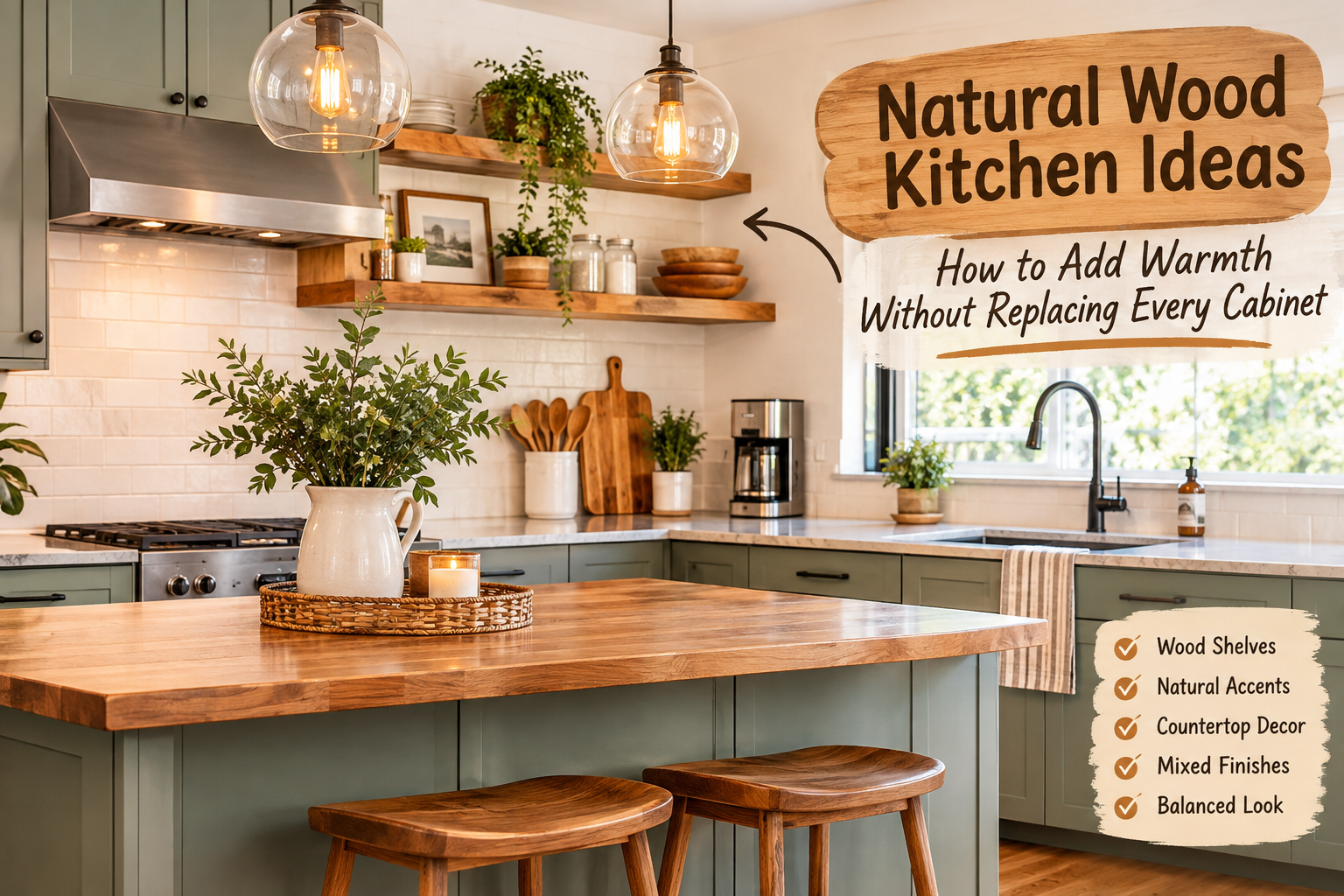
Have you ever looked at your kitchen and felt that something was missing, even though the cabinets are still in good condition? Perhaps the layout works, the appliances do their job, and the countertops are perfectly usable. Yet the room feels a little flat. Everything is white, gray, or one shade of beige, and no matter how many decorative items you add, it never quite has the warmth you want.
This is where natural wood can make a noticeable difference.
You do not necessarily need a new kitchen to create a warmer, more welcoming space. Sometimes, a few wooden shelves, a butcher-block-style accent, a timber-framed display, or even a collection of wooden countertop accessories can change how the whole room feels.
The best part is that natural wood works with many existing cabinet colors. It can soften crisp white cabinets, add contrast to gray kitchens, make cream cabinetry feel richer, and bring balance to darker finishes. It can also introduce texture into a kitchen that looks too smooth or uniform.
Of course, adding wood is not as simple as buying several wooden accessories and placing them wherever there is an empty surface. Different wood tones can clash, too many wooden elements can make a kitchen feel heavy, and the wrong finish may become difficult to maintain around cooking areas.
The trick is to use wood with a little planning.
Whether you want to make a small kitchen feel more inviting, update an older kitchen without a full renovation, or give plain cabinets a more natural look, these natural wood kitchen ideas can help you get started. You can make a few affordable changes at a time, see how they look, and gradually build a kitchen that feels warm without losing its practical everyday character.
Why Natural Wood Makes a Kitchen Feel Warmer
Modern kitchens often contain a lot of hard, smooth surfaces. Cabinets have painted or laminated finishes, countertops may be stone or engineered materials, and appliances usually feature metal or glass. These surfaces are practical, but when everything has a similar smooth appearance, the room can feel a little cold.
Wood introduces something different.
Its grain, small color variations, and natural texture create visual interest. Even a relatively small wooden detail can make a plain kitchen feel more relaxed.
Think about a white kitchen with glossy cabinet doors and a pale countertop. Now imagine adding two natural oak shelves, a wooden cutting board, and a small bowl made from warm-toned timber. The cabinets have not changed, but the room has more depth.
That is the appeal of using natural wood as an accent rather than treating it as a material that must cover every surface.
Wood can also help connect different parts of the kitchen. A timber shelf can relate to a wooden dining table in an adjoining room. A natural wood stool can complement a nearby living room floor. Repeating a similar finish in a few places helps an open-plan home feel more connected.
There is another advantage: wood is available in many shades and styles.
Pale oak can create a light, Scandinavian-inspired look. Walnut adds a deeper, richer appearance. Honey-toned wood brings a traditional warmth, while reclaimed timber can introduce character and a slightly rustic feel.
You can choose the tone that works with your existing cabinets instead of designing the entire kitchen around a new material.
1. Add Natural Wood Floating Shelves
<PRIVATE_PERSON> One of the easiest ways to introduce wood into an existing kitchen is to replace a small section of closed storage with wooden floating shelves.
This is especially useful when your kitchen has a long, uninterrupted row of cabinets that makes the wall look heavy.
A couple of open shelves can break up that solid appearance and give you a place to display everyday items. They also provide an opportunity to introduce a wood finish without changing the cabinet doors.
Where should you place wooden shelves?
The area above a countertop is a common choice, particularly where you currently have an empty wall or a small section of upper cabinetry.
For example, if your kitchen has white cabinets on either side of a window, a pair of oak shelves beside the window may add warmth without making the wall feel crowded.
You can also consider a short section of wall near the coffee maker or breakfast area.
Before installing anything, think about what you want to store there. Shelves beside a cooking hob may collect grease and need frequent cleaning. A shelf above a kettle may be exposed to steam. A location away from heavy cooking activity is often easier to maintain.
Choose the right wood tone
Pale oak and ash are good choices when you want a light, natural appearance.
Walnut can create a more noticeable contrast against white or cream cabinets. Medium-toned wood works well when you want warmth without making the room look too dark.
Try to compare a wood sample with your existing cabinet color before buying the shelves.
A common mistake is choosing a wood tone from a small online photograph. Screen colors can be misleading, and the actual material may look more orange, yellow, or gray than expected.
If possible, view a physical sample in your kitchen’s natural and artificial lighting.
Style the shelves without overcrowding them
Open shelves look best when they have enough breathing room.
You might arrange a few white ceramic bowls, clear drinking glasses, a small wooden serving board, and one plant. The mixture of materials creates interest without making the shelves look like a storage cupboard.
You do not need to display every plate or mug you own.
Keep frequently used items within easy reach and reserve the higher shelves for lighter objects that you do not need every day.
Practical installation tips
Wooden shelves must be installed securely. The correct fixings depend on the wall material and the weight you plan to place on the shelf.
For example, solid masonry walls and plasterboard walls require different fixing approaches. If you are unsure about the wall construction or installation method, ask a qualified installer.
Check the shelf manufacturer’s weight limits and avoid placing heavy stacks of plates on shelves that are not designed for them.
A beautiful shelf is only useful if it is safe and practical.
2. Introduce a Wooden Backsplash Accent
A full wood backsplash is not always the most practical choice in a kitchen, particularly near a sink or cooking hob. However, a carefully chosen wood accent can create a similar warm effect in areas that are less exposed to moisture and heat.
One option is to use a wood-look panel in a dry section of the kitchen. Another is to introduce a timber frame around an open display area or a small decorative wall section.
If you like the appearance of wood behind your countertops, consider materials specifically designed for kitchen use, such as suitable wood-look panels or durable surfaces with a timber appearance.
Use wood where it will be protected
Avoid assuming that any ordinary wooden board can be installed behind a sink or cooker.
Water splashes, cooking grease, heat, and frequent cleaning can damage unsuitable materials. A wooden surface in a high-moisture or high-heat location may require more maintenance than expected.
For a more practical arrangement, use natural wood on a dry wall section, then keep your main backsplash in tile, stone, glass, or another suitable kitchen material.
This creates a balanced combination rather than making wood responsible for every surface.
Try a small framed wood panel
If your kitchen has a coffee station or breakfast area, a wood panel behind that section can create a visual feature.
It can help distinguish the area from the rest of the kitchen without requiring a complete renovation.
Choose a finish that works with your shelves, stools, or other wood accents. Repeating the same general tone helps the design feel intentional.
3. Use a Wooden Countertop Section for Contrast
Replacing every countertop can be expensive and disruptive. Fortunately, you may not need to.
A small wooden countertop section can introduce warmth while leaving most of the existing surface untouched.
For example, if you have a long stone countertop, you could create a separate timber worktop on a small island, breakfast ledge, or suitable preparation area.
This combination can be particularly attractive in kitchens with white, cream, or gray cabinets.
Consider a small butcher-block-style area
Butcher-block-style worktops have a distinctive appearance because the wood grain becomes part of the kitchen’s visual character.
They are available in different wood species and finishes, including oak, beech, maple, and walnut.
A small section can be enough to create contrast.
However, real wood countertops need appropriate care. The finish, maintenance requirements, and suitability for food preparation depend on the product.
Some surfaces need periodic oiling, while others have a factory-applied finish with different care instructions.
Always follow the manufacturer’s guidance. Do not assume that every wooden worktop is suitable for direct food preparation or can be cleaned in the same way as stone.
Choose the right location
A wooden worktop accent may work well on a small island or a dry breakfast counter.
Avoid placing an untreated or unsuitable wood surface directly beside a sink where it will receive constant splashes.
If you want wood near a sink, choose a product specifically designed for that environment and follow its maintenance requirements carefully.
Balance the wood with existing countertops
If your kitchen already has a patterned stone countertop, a very busy wood grain may compete with it.
A simpler, more consistent timber finish can create a calmer combination.
For example:
- White cabinets with pale oak shelves and a light stone countertop
- Gray cabinets with walnut accents and a subtle white countertop
- Cream cabinets with honey-toned wood and a warm beige surface
- Navy cabinets with natural oak and a light countertop
The goal is not to make every material identical. It is to give each finish enough space to look good.
4. Add Wooden Cutting Boards as Everyday Decor
This is one of the simplest natural wood kitchen ideas because you may already own everything you need.
A few attractive wooden cutting boards can make a countertop feel warmer without installing anything.
Instead of hiding every board in a drawer, lean two or three against the backsplash or place them upright in a suitable holder.
Their different shapes and grain patterns can add texture to an otherwise plain countertop.
Mix shapes and sizes
A large rectangular board, a smaller round board, and a narrow serving board can create a relaxed arrangement.
They do not need to match exactly.
However, try to keep the wood tones reasonably related. A collection of pale oak, dark walnut, and bright orange-toned timber may look less coordinated if the differences are very strong.
A little variation is attractive, but too many competing finishes can make the countertop feel messy.
Make sure decorative boards are clean
If you use the same boards for food preparation, keep them clean and maintain them according to the manufacturer’s instructions.
A decorative arrangement should not become an excuse to leave dirty kitchen tools on display.
You may prefer to keep one board for food preparation and another clean board for display or serving.
Also avoid placing wooden boards where they can easily fall into the sink or become exposed to constant water.
Give the arrangement some breathing room
Do not place boards beside every countertop accessory.
A small group near one end of the counter is usually enough.
If you also have a coffee machine, utensil holder, fruit bowl, and several appliances on the same surface, the boards may make the area look overcrowded.
Keep the arrangement simple.
5. Choose Wooden Bar Stools for a Kitchen Island
If your kitchen has an island or breakfast counter, wooden stools can introduce a substantial amount of warmth without changing the cabinets.
They also provide a practical reason to bring wood into the room.
A pair of natural oak stools can soften a white island. Walnut stools can create a richer contrast against cream cabinetry. A stool with a woven seat can introduce another natural texture.
Match the stool style to the kitchen
A kitchen with simple modern cabinets may suit stools with clean lines and slim wooden legs.
A traditional kitchen may look better with a slightly more detailed design.
For a relaxed farmhouse-inspired look, consider a wooden stool with a simple backrest and a natural finish.
If you have a very small kitchen, choose stools that can slide fully beneath the counter when not in use. This keeps the walkway clear.
Check the height before buying
This is important.
Counter-height stools and bar-height stools are not interchangeable. Measure from the floor to the underside of your counter and check the manufacturer’s recommended seat height.
Leave enough space for your legs and make sure the stools do not interfere with nearby drawers or cabinet doors.
If you are choosing stools for everyday meals, comfort matters as much as appearance.
A backrest may be worth having if people regularly sit there for breakfast or longer conversations.
Mix wood with upholstery
Wooden stools with fabric or woven seats can soften the look further.
A natural wood frame with cream upholstery works well in many neutral kitchens. Darker wood with a muted green or gray seat can create a more distinctive look.
Choose upholstery that is suitable for a kitchen environment and easy to clean.
6. Replace a Few Cabinet Handles with Wood or Wood-Look Hardware
Changing cabinet handles is a small update, but it can make existing cabinetry feel more personal.
Wooden handles can add a subtle natural detail to plain cabinets.
You may find rounded wooden knobs, slim timber pulls, or handles that combine wood with metal.
This is a useful option if you do not want to add shelves or change countertops.
Use wood handles selectively
You do not have to replace every handle in the kitchen.
For example, you could use wooden knobs on a small section of upper cabinets or a coffee station while keeping the existing metal handles elsewhere.
However, if you choose different hardware styles, make sure they look intentional.
A mixture of unrelated shapes and finishes can make the cabinets feel inconsistent.
Consider cleaning and durability
Kitchen handles are touched frequently, so their finish needs to be suitable for regular use.
Grease, hand moisture, and cleaning products can affect wood over time.
Look for handles with a finish designed for the intended environment and follow the care instructions.
If you are choosing solid wood handles, check whether they are sealed and whether they require any special maintenance.
Check the existing holes
Before ordering replacement handles, measure the distance between the existing screw holes.
Cabinet pulls are often sold in specific center-to-center sizes.
If the new handles do not match the existing holes, you may need to fill and refinish the old holes or drill new ones.
That extra work may be manageable, but it is worth checking before buying.
7. Use Wooden Trays to Organize Countertop Accessories
A wooden tray can make a collection of everyday kitchen items look more organized.
This is particularly useful when you have a few things that need to stay on the counter, such as olive oil, salt, pepper, and a small utensil holder.
Instead of allowing everything to spread across the worktop, place the items together on a tray.
The wood creates a visual boundary, helping the arrangement feel more deliberate.
Create a small cooking station
A tray near the cooking area can hold a few frequently used ingredients or accessories.
For example, you might arrange a salt container, pepper mill, and one or two bottles of cooking oil.
Keep the tray away from direct heat and areas where it will receive frequent grease splashes.
Avoid placing too many items on it. A tray should organize essentials, not become a permanent collection of everything you own.
Make a coffee or tea station
A wooden tray can also be used to organize a coffee corner.
Place your coffee machine nearby, then use the tray for mugs, a small jar of coffee, and a spoon holder.
A light wood tray can look especially attractive against white or gray countertops.
If the tray is made from untreated wood, check whether it is suitable for contact with damp items. Wipe up spills promptly and follow the care instructions.
Use a tray to connect different finishes
If your kitchen has several materials, a wooden tray can help bring them together.
For example, it can connect a stainless-steel coffee machine with ceramic mugs and a stone countertop.
The wood acts as a warm visual element between cooler surfaces.
8. Bring in Wooden Bowls, Utensil Holders, and Small Accessories
Small accessories are useful when you want to experiment with wood before making a larger change.
A wooden bowl, utensil holder, serving board, or small spice rack can introduce texture without taking up much room.
The advantage is flexibility. You can move these items around, change the arrangement, or remove them entirely if the kitchen starts to feel crowded.
Wooden bowls
A simple wooden bowl can be used for fruit, garlic, or other suitable items.
Choose a size that fits your countertop.
A large bowl may look beautiful in a spacious kitchen but overwhelm a narrow counter.
If you use the bowl for food, make sure it is suitable for that purpose and clean it according to the manufacturer’s guidance.
Wooden utensil holders
A wooden utensil holder can look attractive beside a stove or preparation area.
However, it should be positioned away from direct heat and kept clean.
Choose a design with enough space for the utensils you use regularly. A holder that is too small can become difficult to use, while one that is too large may take up valuable worktop space.
Wooden spice racks
A compact wooden spice rack can be useful if you regularly cook with the same spices.
Choose a location that is convenient but not exposed to excessive heat, steam, or sunlight.
Spices generally keep better when stored according to their packaging guidance, so avoid placing a rack directly beside a hot hob simply because it looks attractive there.
Wooden serving accessories
Serving boards, salad bowls, and wooden utensils can also add warmth when displayed neatly.
You can store them on an open shelf or in a basket if there is no room on the countertop.
The key is to use pieces that serve a purpose rather than collecting accessories solely for decoration.
9. Mix Natural Wood with White Cabinets
White cabinets are one of the easiest finishes to combine with natural wood.
White provides a clean background, while wood adds warmth and texture.
The combination can look modern, traditional, Scandinavian, or farmhouse-inspired depending on the wood tone and accessories.
Pale oak with white cabinets
Pale oak creates a light, airy appearance.
It works particularly well with warm white cabinets, light countertops, and simple hardware.
Try oak floating shelves, a small wooden breakfast table, or natural wood stools.
Keep the rest of the palette fairly simple so the wood remains noticeable.
Honey-toned wood with white cabinets
Honey-colored wood creates a warmer, more traditional feeling.
It can work well with cream-white cabinets, brass-colored hardware, and warm lighting.
However, be careful with yellow undertones.
If your cabinets are a cool, bright white, a very yellow wood finish may look slightly mismatched. Compare samples before making a larger purchase.
Walnut with white cabinets
Walnut provides stronger contrast.
A walnut shelf, side panel, or small island accent can make white cabinets feel richer.
This combination can look especially attractive when repeated in a dining table or nearby furniture.
Because walnut is darker, use it thoughtfully in a small kitchen. A few well-placed accents may be more effective than several large dark surfaces.
10. Pair Natural Wood with Gray Kitchen Cabinets
Gray cabinets can sometimes make a kitchen feel cool, particularly when paired with a gray countertop and stainless-steel appliances.
Natural wood helps soften that effect.
The right combination depends on whether your gray cabinets are warm or cool.
Warm gray with oak
If your cabinets have beige or brown undertones, warm oak can create a natural, coordinated look.
Try light oak shelves, a wooden tray, or a small breakfast counter.
This combination works well when you want a calm, understated kitchen.
Cool gray with walnut
A deeper wood tone can add contrast to cool gray cabinets.
Walnut shelves or stools may create a richer appearance, especially when paired with a light countertop.
Use a few lighter details to prevent the room from feeling too dark.
Light gray with mixed wood textures
If your cabinets are pale gray, you can introduce wood through several smaller elements.
For example, use a wooden bowl, a natural wood shelf, and a woven stool seat.
The different textures add interest without changing the overall light appearance of the kitchen.
11. Combine Natural Wood with Cream and Beige Cabinets
Cream and beige cabinets already have warmth, so wood can help create a layered, natural appearance.
Pale oak may blend gently with the cabinetry, while medium wood creates a little more definition.
This combination is useful if you prefer a soft, relaxed kitchen rather than a high-contrast design.
Keep undertones in mind
A cream cabinet may have yellow, pink, or gray undertones.
The wood you choose should complement those undertones rather than fight them.
For example, a warm honey oak may look attractive with creamy cabinetry but less harmonious beside a cool gray-beige finish.
Take a cabinet sample or photograph into the store when comparing wood finishes.
Use texture instead of more color
Cream kitchens do not always need additional bold colors.
You can introduce interest through wood grain, woven baskets, linen curtains, ceramic containers, and natural stone.
This creates a layered look while keeping the palette peaceful.
12. Add a Wooden Island Accent Without Replacing the Entire Island
If your kitchen already has an island, you can introduce wood through one section rather than replacing the entire structure.
A wooden end panel, suitable countertop extension, or decorative open shelf can make the island feel more distinctive.
Add a wood end panel
A wood-finished panel on one end of a painted island can create a subtle contrast.
This works particularly well when the island is visible from the dining or living area.
Choose a finish that relates to another wood element in the kitchen.
Use an open wooden shelf
Some islands have a small open section at one end.
You can use a wood-finished shelf there for cookbooks, serving bowls, or a few everyday items.
Keep the shelf organized and avoid using it as a place to store miscellaneous clutter.
Consider a timber breakfast ledge
A suitable wooden breakfast ledge can add a warm surface for casual meals.
However, it needs to be designed and supported correctly.
A timber ledge that extends beyond the island may require appropriate brackets or structural support. Do not assume that a decorative panel can support the weight of people leaning on it.
Consult a qualified installer if you are modifying the island structure.
13. Use Reclaimed Wood for Character
Not every natural wood accent needs to look perfectly new.
Reclaimed timber can bring character into a kitchen, especially if you enjoy rustic, farmhouse, or collected interiors.
It may have visible grain variations, old nail marks, weathered color, and small imperfections.
These details can make a space feel less manufactured.
Where reclaimed wood works well
You could use reclaimed timber for:
- A decorative shelf
- A suitable serving board
- A small freestanding display unit
- A frame around a dry feature area
- A dining bench
- A decorative panel
The best application depends on the condition of the wood and the way it has been treated.
Check the material carefully
Reclaimed wood is not automatically safe or suitable for every indoor use.
Before bringing it into a kitchen, check for pests, mold, chemical treatments, old paint, and contamination.
Wood from unknown sources may have been exposed to substances that are unsuitable for food-related areas.
If you plan to use reclaimed timber for a worktop or food-contact surface, choose material specifically prepared for that purpose and follow professional guidance.
Avoid overdoing the rustic look
A little reclaimed wood can add charm.
But combining distressed shelves, rough timber stools, heavily textured accessories, and rustic signs can make a kitchen feel themed rather than natural.
Balance reclaimed wood with simpler finishes.
For example, a weathered shelf can look lovely against clean white cabinets and a simple countertop.
14. Introduce Wood Through the Dining Area
If your kitchen connects to a dining space, the dining furniture can help bring natural wood into the overall design.
A wooden dining table, a bench, or a set of chairs can make the kitchen feel warmer without touching the cabinetry.
This is particularly useful in open-plan homes, where the kitchen and dining area are seen together.
Choose a table that relates to the kitchen
If your kitchen has pale oak shelves, a dining table in a similar tone can create continuity.
It does not need to match perfectly. A close relationship in color and warmth is often enough.
A walnut table can also create a stronger contrast against a light kitchen.
Mix wood with upholstered chairs
Wooden dining tables paired with upholstered chairs can soften the room.
Cream, beige, muted green, and warm gray upholstery can work with many natural wood finishes.
This also introduces another texture, making the dining area feel comfortable rather than overly coordinated.
Use a wooden bench
A wooden bench can be useful in a compact dining area because it may slide beneath the table when not in use.
It can also introduce wood without requiring a large dining set.
Choose a bench with a suitable height and enough stability for everyday use.
15. Choose the Right Wood Tone for Your Kitchen
One of the most important decisions is selecting a wood tone that works with your existing finishes.
Natural wood is not one color.
Oak, maple, ash, walnut, beech, teak, and other species have different grain patterns and undertones. Their appearance also changes depending on the finish.
A clear finish may preserve a more natural look, while some stains can make the wood warmer, darker, or more muted.
Light wood
Light wood includes pale oak, ash, maple, and similar finishes.
It can make a kitchen feel open and relaxed.
Light wood works well with white, cream, pale gray, sage green, and soft blue cabinets.
It is a good choice if you want warmth without making the room visually heavy.
Medium wood
Medium wood tones often have a warm honey or natural brown appearance.
They can create a balanced look with cream, gray, green, and darker painted cabinets.
Medium wood is also useful when you want the wood accents to stand out more clearly than pale oak would.
Dark wood
Walnut and other darker finishes can make a kitchen feel richer and more grounded.
They look attractive against white, cream, pale gray, and some muted green cabinets.
However, dark wood can feel heavy when used in large amounts in a small kitchen.
Try it first through a shelf, stool, tray, or countertop accessory.
Look at undertones, not just darkness
Two pieces of wood can have similar darkness but very different undertones.
One may look orange, another red, and another gray-brown.
These differences become more noticeable when the pieces are placed side by side.
A useful approach is to compare samples in the actual kitchen.
Look at them in morning daylight, afternoon light, and under the kitchen’s evening lighting.
A wood finish that looks perfect in a showroom may appear much warmer at home.
16. How to Mix Different Wood Finishes Without Making the Kitchen Look Mismatched
You do not need every wooden item to come from the same collection.
In fact, a kitchen can look more natural when it contains a little variation.
The challenge is making the differences feel intentional.
Choose one dominant wood tone
Start with the main wood finish you want to feature.
For example, you might choose light oak for the shelves and stools.
Then use other wood tones in smaller amounts.
A darker serving board or a medium-toned bowl can add variation without taking over.
Repeat each finish at least once
A single wooden item can sometimes look like it was added by accident.
Repeating a similar tone elsewhere helps create a connection.
If you have a walnut shelf, you might repeat walnut in a tray or stool.
If you have pale oak shelves, a similar tone in the dining table can help the spaces feel connected.
Keep the overall palette controlled
Mixing several wood finishes works best when the rest of the materials are relatively calm.
White cabinets, simple stone surfaces, and neutral walls provide a background that allows the wood to stand out.
If the kitchen already has bold tile patterns, colorful cabinets, and several metal finishes, keep the wood selection simpler.
Do not force an exact match
Wood is a natural material, so grain and color differences are normal.
Trying to make every piece look identical can sometimes create a less interesting result.
Instead, aim for a consistent general warmth.
For example, several warm-toned woods can work together even if one is slightly lighter than another.
17. Combine Wood with Stone, Tile, and Metal
Wood looks particularly good when it is balanced with other materials.
A kitchen does not need to be made entirely from natural textures. The contrast between wood and smoother finishes is part of what makes the design interesting.
Wood and stone
Wood can soften the cool appearance of stone countertops.
A pale stone surface with natural oak shelves creates a calm, light kitchen.
A darker stone surface paired with walnut accents can create a more dramatic look.
Try to avoid combining several strong patterns at once. If the stone has prominent veining, a quieter wood grain may create a better balance.
Wood and ceramic tile
Wooden shelves can look attractive against a simple tile backsplash.
White subway-style tiles, handmade-look ceramics, and softly textured tiles can all work with natural timber.
If your backsplash already has a bold pattern, use wood in smaller amounts so the wall does not become too busy.
Wood and stainless steel
Stainless-steel appliances can look slightly cold beside plain painted cabinetry.
Wood helps soften the overall effect.
A wooden tray beside a stainless-steel coffee machine, or oak shelves above a stainless-steel worktop, can create a useful contrast.
You do not need to hide the appliances. Let the different materials work together.
Wood and brass-colored hardware
Warm metal finishes can complement natural wood.
Brass-colored handles, taps, or light fittings can create a warm combination with oak, walnut, and honey-toned timber.
However, not every metal finish needs to match exactly.
The main thing is to avoid introducing too many unrelated finishes without a clear reason.
18. Add Wood to a Small Kitchen Without Making It Feel Crowded
Small kitchens need a little more care because every added item competes for visual and physical space.
The goal is to introduce warmth while keeping the room practical.
Use vertical space
A small wooden shelf can make better use of an empty wall than a freestanding storage unit.
Choose a slim design and keep the objects on it limited.
Use one larger wood accent instead of many small ones
Several small wooden accessories spread across the kitchen can make the counters look cluttered.
A single pair of shelves or a wooden stool may create a stronger effect with less visual noise.
Keep countertops clear
A small kitchen benefits from clear work surfaces.
Use a wooden tray to group a few essentials, but do not let it become a permanent collection of items.
Keep appliances and accessories that you rarely use in cupboards.
Choose furniture that can be moved
A small wooden stool, folding breakfast table, or lightweight trolley can add warmth while remaining flexible.
You can move it when you need more space.
Avoid dark wood in every corner
Dark walnut can look beautiful, but too many dark accents may make a compact kitchen feel visually heavy.
If you love dark wood, introduce it through one or two details and balance it with lighter surfaces.
19. Natural Wood Ideas for Kitchens with Dark Cabinets
Dark kitchen cabinets can look sophisticated, but sometimes they make a room feel a little too serious.
Natural wood can soften the appearance and introduce a more relaxed feeling.
Pair dark cabinets with pale oak
Pale oak creates a noticeable contrast against navy, charcoal, forest green, or deep brown cabinets.
Try open shelves, a small wooden breakfast surface, or a natural wood stool.
The lighter wood helps break up the darker cabinetry.
Use warm walnut with deep green
If your cabinets are dark green, walnut can create a rich and grounded combination.
Use a light countertop or pale wall color to keep the overall room balanced.
Add woven textures
Wood does not have to appear only as solid timber.
Woven baskets, natural fiber shades, and textured seating can add a similar sense of warmth.
Use these materials in places where they are easy to clean and are not exposed to excessive moisture or heat.
20. Use Wood in a Coffee or Breakfast Corner
A coffee station is one of the easiest places to experiment with natural wood.
It is usually a small area, so you can introduce a different material without changing the entire kitchen.
Start with a wooden tray
Place a wood tray beneath the coffee accessories.
It can hold a few mugs, coffee jars, and a spoon holder.
The tray helps define the area and keeps smaller items together.
Add a small floating shelf
If there is an empty wall above the coffee station, a narrow wooden shelf can provide extra storage.
Display only the items you use regularly.
A few cups, a small jar, and perhaps one decorative object may be enough.
Use a wooden stool or side table
If your kitchen has a small breakfast area, a wooden stool or side table can create a natural connection with the coffee station.
Choose a piece that fits the available space and does not block cabinet doors.
Keep electrical appliances safe
Coffee machines, kettles, and other appliances should be placed according to their instructions.
Keep wooden accessories away from heat, steam, and water spills.
Make sure cables do not create a hazard around the countertop.
21. Make Natural Wood Work with a Farmhouse Kitchen
Farmhouse kitchens often use natural materials, but you do not need a complete farmhouse renovation to borrow a few of the style’s best ideas.
Wooden shelves, simple stools, serving boards, and natural baskets can create a relaxed look.
Choose simple wooden shelves
A thick timber shelf can introduce a rustic element.
Pair it with plain cabinets and simple ceramic dishes.
If you prefer a cleaner appearance, choose a smoother finish rather than heavily distressed wood.
Add a wooden dining table
A simple timber dining table can become a warm focal point in a farmhouse-style kitchen.
It does not need elaborate detailing.
A natural finish, comfortable chairs, and a simple centerpiece may be enough.
Use practical accessories
A wooden utensil holder, serving board, or fruit bowl can support the style without adding unnecessary decoration.
Avoid filling the kitchen with signs and decorative objects that do not serve a purpose.
A farmhouse kitchen should still feel like a place where people cook and spend time together.
22. Create a Modern Kitchen with Natural Wood Accents
If you prefer a modern look, wood can help soften clean lines without making the kitchen feel rustic.
The secret is to use simple shapes and controlled finishes.
Choose smooth wood surfaces
A clean oak shelf, walnut panel, or simple wooden stool can work well with flat-front cabinets.
Avoid too many distressed or heavily textured accessories if you want a modern appearance.
Keep hardware simple
Minimal metal handles or integrated pulls can balance the natural texture of the wood.
You may also choose a small number of warm metal details.
Use wood as a focal point
Instead of scattering wood throughout the kitchen, select one main feature.
For example, a wooden island panel or a pair of shelves may be enough.
This keeps the design calm and avoids a cluttered appearance.
23. Natural Wood Kitchen Ideas for a Rental Home
Renting often means working around existing cabinets, countertops, and wall finishes.
You may not be allowed to replace cabinet doors or drill into walls.
Fortunately, natural wood can still be introduced through movable accessories and furniture.
Use freestanding shelves
A narrow freestanding shelf or small kitchen rack can provide storage and warmth without permanent installation.
Choose a stable design that fits the space.
Add wooden stools
A pair of wooden stools can make a breakfast counter feel more inviting.
They can also be taken with you when you move.
Use countertop accessories
Wooden cutting boards, trays, bowls, and utensil holders are easy to move and require no installation.
Start with a few useful pieces rather than buying a large collection.
Try removable styling changes carefully
Some removable products may help change the appearance of a kitchen, but not every adhesive or film is suitable for every cabinet surface.
Read the manufacturer’s instructions and test compatibility in an inconspicuous area where appropriate.
Avoid applying products to damaged, peeling, or unsuitable finishes.
Focus on what you can take with you
A small wooden dining table, stools, serving boards, and a freestanding coffee station can make a rental kitchen feel more personal.
These pieces can be reused in another home, which makes them practical purchases.
24. Care for Natural Wood in a Busy Kitchen
Wood can look beautiful in a kitchen, but it needs suitable care.
Cooking areas are exposed to moisture, grease, food spills, heat, and frequent cleaning. The amount of maintenance required depends on the wood species, finish, and location.
Wipe up spills promptly
Do not leave water sitting on wooden surfaces.
Wipe spills with a suitable cloth and follow the product manufacturer’s cleaning instructions.
This is especially important for unfinished or lightly finished wood.
Use appropriate cleaning products
Avoid assuming that a strong household cleaner is safe for every wooden surface.
Some products can damage oils, sealants, or protective finishes.
Use cleaners recommended for the particular material.
Protect wood from direct heat
Keep wooden trays, boards, and accessories away from hot pans, cooking flames, and appliances that release heat.
Use suitable trivets and heat-resistant mats when placing hot cookware on a surface.
Follow the manufacturer’s maintenance schedule
Some wooden worktops need regular oiling or another protective treatment.
Other products have factory-applied finishes that require different care.
Check the instructions before applying oil, wax, polish, or sealant.
Using the wrong product can change the appearance or damage the finish.
Avoid soaking wooden accessories
Wooden bowls, boards, and utensils should not be left soaking in water unless the manufacturer specifically says they are suitable for it.
Follow the cleaning guidance for each item.
Do not assume that a wooden accessory can go in a dishwasher.
25. Common Mistakes to Avoid When Adding Wood to a Kitchen
Natural wood is flexible, but a few design mistakes can make it look out of place.
Here are some problems to watch for.
Choosing too many different wood tones
A kitchen can handle mixed wood finishes, but there should be a sense of connection.
If you combine several unrelated tones, the room may look accidental.
Start with one main finish and introduce another in smaller amounts.
Buying wood without checking the undertone
A shelf may look pale and neutral in a product photo but appear strongly yellow in your kitchen.
Always compare samples with your cabinets and countertops.
Using untreated wood in wet areas
Ordinary timber is not automatically suitable for a backsplash, sink surround, or worktop.
Choose products designed for their intended location and follow the care instructions.
Adding open shelves without considering cleaning
Open shelves can collect grease and dust, particularly near cooking areas.
If you do not enjoy frequent cleaning, choose a location away from the hob and use shelves only for items you regularly need.
Overdecorating the countertops
Wooden trays, bowls, cutting boards, and utensil holders can look attractive.
But using all of them together may leave little space for food preparation.
Choose only the accessories that serve a purpose.
Making every surface wooden
Wood can add warmth, but covering every available surface may make the kitchen feel heavy.
Mix timber with painted cabinets, stone, tile, metal, and ceramic.
The contrast is part of the appeal.
Ignoring the size of the kitchen
A large wooden island may look impressive in a spacious kitchen but overwhelm a narrow one.
Choose accents that fit the actual room.
Forgetting everyday maintenance
Wood near the sink or cooking area may need more attention than wood in a dry display area.
Think about cleaning before choosing the location.
Trying to match old and new wood perfectly
Exact matching is not always possible, especially when the existing wood has aged or changed color.
Aim for compatible undertones and a balanced combination rather than identical finishes.
26. A Step-by-Step Plan for Adding Natural Wood to Your Existing Kitchen
If you like the idea of a warmer kitchen but do not know where to begin, use this simple process.
Step 1: Look at what you already have
Identify the existing cabinet color, countertop material, flooring, appliances, and hardware.
Notice whether the room feels warm or cool.
This will help you choose a wood tone that complements the kitchen.
Step 2: Decide where the wood would make the biggest difference
Look for a blank wall, an empty countertop section, a breakfast area, or an island that feels plain.
You do not need to add wood everywhere.
Choose one location where a small change could have a noticeable visual effect.
Step 3: Select a wood tone
Compare pale, medium, and dark wood samples with the existing finishes.
Look at them under different lighting conditions.
Do not make a decision based only on an online product photograph.
Step 4: Start with a small accent
Try a wooden tray, cutting board, bowl, or utensil holder.
These items are easy to move if you decide the color or texture is not right.
If you like the result, consider adding a larger feature.
Step 5: Add one practical feature
Choose something that improves the kitchen’s function as well as its appearance.
This might be a pair of floating shelves, a wooden stool, or a small coffee station.
Avoid buying something purely because it looks attractive.
Step 6: Balance the wood with other materials
Use ceramic, metal, stone, and fabric to keep the design varied.
For example, combine oak shelves with white ceramic bowls and a stainless-steel appliance.
Step 7: Check the overall balance
Step back and look at the kitchen from the doorway.
Does the wood feel connected to the cabinets and other furniture?
Is there too much decoration on the countertop?
Would removing one accessory make the room feel calmer?
Make small adjustments before buying anything else.
Step 8: Consider maintenance
Check whether the wood is exposed to water, steam, heat, or grease.
Choose a suitable product and make sure you understand its care requirements.
Step 9: Add another accent only if needed
Live with the first changes for a little while.
You may discover that the shelves and stools provide all the warmth you wanted.
There is no reason to keep adding wood just because you originally planned a larger makeover.
27. Three Natural Wood Kitchen Combinations That Work Well
Sometimes it helps to see how different materials might come together.
Here are three practical combinations you can adapt to your own kitchen.
Combination 1: Bright and simple
This look is suitable for a kitchen with white or warm-white cabinets.
Use pale oak floating shelves, a light wooden cutting board, a woven basket, and a small wooden tray.
Keep the countertop light and choose simple ceramic accessories.
The result is a fresh, relaxed kitchen with a little more texture.
Combination 2: Warm and modern
This combination works well with gray or cream cabinets.
Use medium-toned wood shelves, a walnut tray, and wooden stools with simple lines.
A light stone countertop can balance the richer wood accents.
Keep decorative items limited so the kitchen retains a clean appearance.
Combination 3: Natural and relaxed
This arrangement suits a kitchen with muted green, beige, or cream cabinetry.
Use natural oak or honey-toned wood for a shelf or breakfast table.
Add a wooden bowl, a simple ceramic utensil holder, and a few woven accessories.
A warm lighting scheme can make the room feel especially inviting in the evening.
28. Frequently Asked Questions About Natural Wood Kitchen Ideas
Can I add natural wood to a kitchen without replacing cabinets?
Yes. You can introduce wood through floating shelves, stools, trays, cutting boards, countertop accessories, dining furniture, and small accent panels.
Start with a few pieces that complement your existing cabinet color.
What wood looks best with white kitchen cabinets?
Pale oak, ash, maple, and walnut can all work with white cabinets.
Pale wood creates a light, subtle look, while walnut adds stronger contrast.
The best choice depends on the undertone of the white cabinets and the overall style of the kitchen.
Does natural wood work with gray kitchen cabinets?
Yes. Wood can soften the cool appearance of gray cabinets.
Pale oak often works well with light gray, while walnut and medium wood tones can create a richer combination.
Check whether your gray cabinets have warm or cool undertones before choosing the wood finish.
Can I mix different wood tones in one kitchen?
Yes, but keep the combination intentional.
Choose one dominant wood tone and repeat it in a few places. Introduce other finishes in smaller amounts.
The different pieces do not need to match exactly, but they should feel compatible.
Is natural wood suitable for kitchen countertops?
Some wood countertops are designed for kitchen use, but they need appropriate installation and maintenance.
The correct care depends on the wood species and finish.
Check whether the surface is suitable for food preparation, how it should be cleaned, and whether it requires periodic oiling or sealing.
Are wooden shelves practical in a kitchen?
They can be practical if installed securely and placed away from areas where they receive constant grease, steam, or water splashes.
Use appropriate wall fixings, follow weight limits, and keep the shelves easy to clean.
How do I keep wooden kitchen accessories looking good?
Follow the manufacturer’s cleaning and maintenance instructions.
Wipe spills promptly, avoid soaking wooden accessories, and keep them away from direct heat.
Some items may need occasional treatment, depending on their finish.
Can natural wood make a small kitchen feel darker?
It can if you use too much dark wood or choose oversized pieces.
However, pale wood accents can add warmth without making the room feel heavy.
Use a limited number of wooden features and keep the surrounding surfaces relatively light.
What is the easiest way to add wood to a kitchen on a budget?
Start with wooden cutting boards, a tray, a bowl, or a utensil holder.
These accessories are easy to move and do not require installation.
If you want a larger change, consider one small shelf rather than replacing cabinetry.
Does wood work with stainless-steel appliances?
Yes. Wood provides a warm contrast to the cooler appearance of stainless steel.
A wooden tray, oak shelf, or natural wood stool can help the appliances feel more connected to the rest of the room.
Should all wooden kitchen accessories match?
No. A little variation can make the kitchen feel more natural.
Try to keep the undertones compatible and avoid introducing too many unrelated finishes.
Is reclaimed wood a good choice for a kitchen?
It can be, particularly for shelves, decorative features, or suitable furniture.
However, inspect the material carefully for pests, mold, old paint, chemical treatments, and other contamination.
Use properly prepared materials for food-related surfaces.
Final Thoughts: Give Your Existing Kitchen a Warmer Feel
A kitchen does not have to be completely renovated to feel different.
Sometimes the cabinets are perfectly usable, the countertops are in good condition, and the layout works well. What the room needs is a little more texture and warmth.
Natural wood can provide that change without forcing you into a major project.
You might begin with two oak shelves, a wooden tray beside the coffee machine, or a couple of stools at the breakfast counter. If you prefer a smaller change, even a few well-chosen cutting boards and a wooden bowl can make the countertop feel more welcoming.
The important thing is to work with what you already have.
Pay attention to the existing cabinet color, compare wood samples before buying, and choose materials that suit the way you use your kitchen. Keep wood away from unsuitable wet or hot areas, and remember that different finishes have different care requirements.
You also do not need to make every wooden item match perfectly. A kitchen can look more interesting when it combines a few compatible tones and textures.
Start with one practical change, live with it for a while, and see how the room feels. You may find that a small amount of natural wood is all your kitchen needed to feel warmer, more personal, and more inviting.